
Roller Wheel
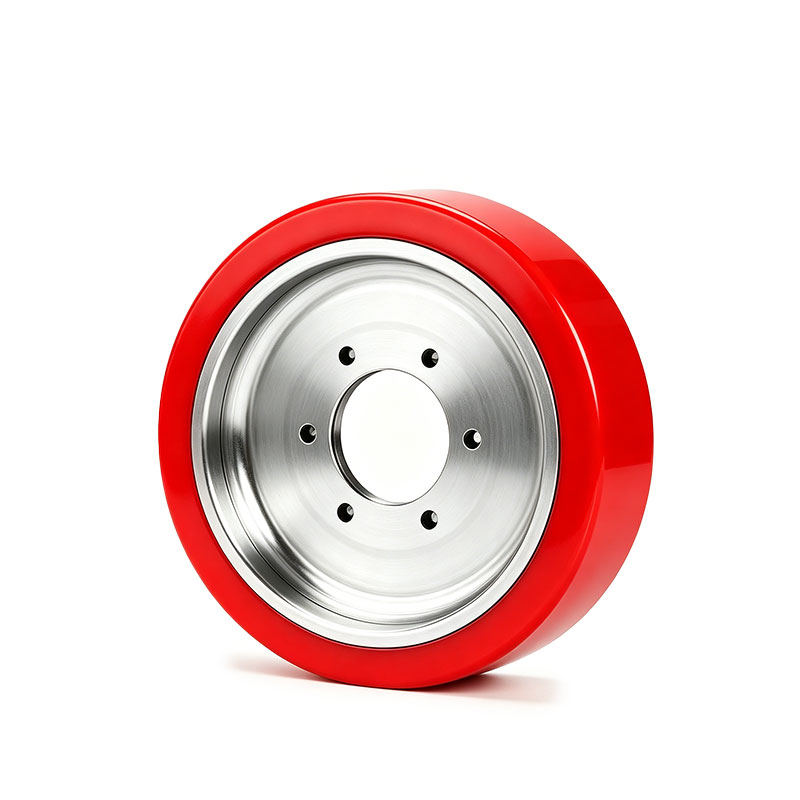
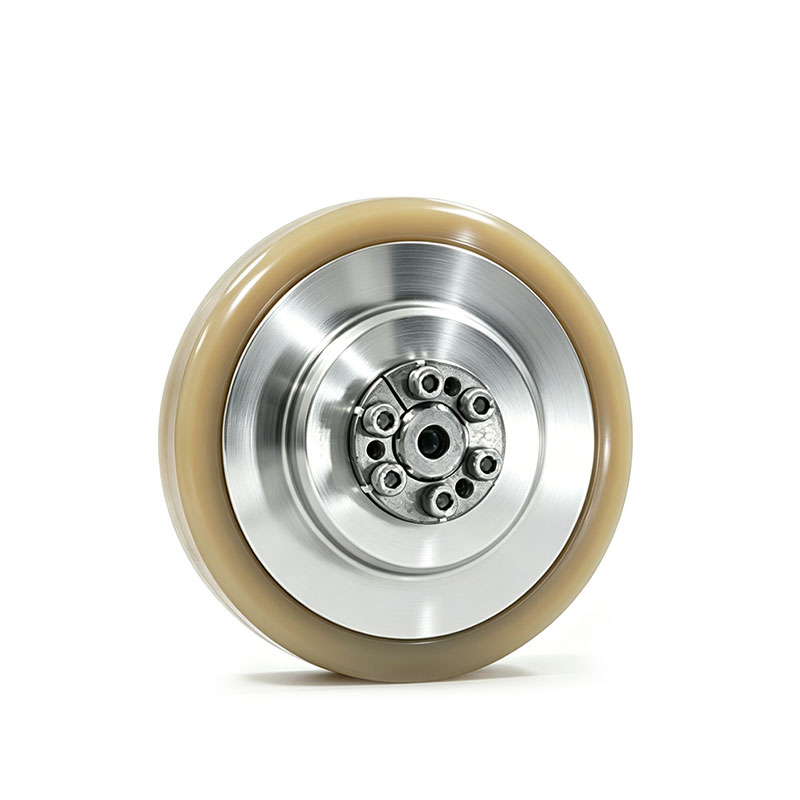
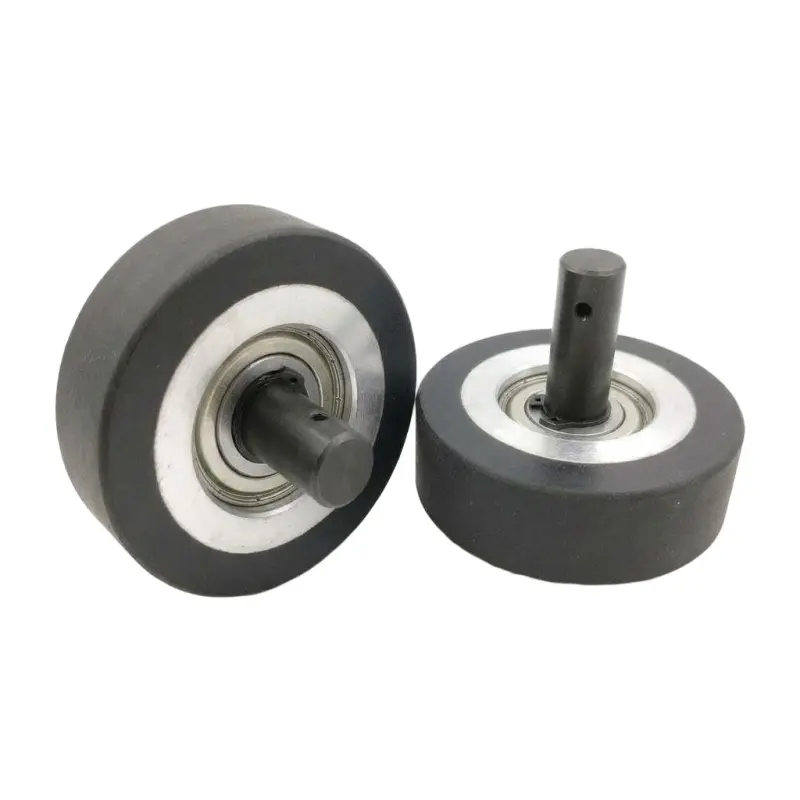
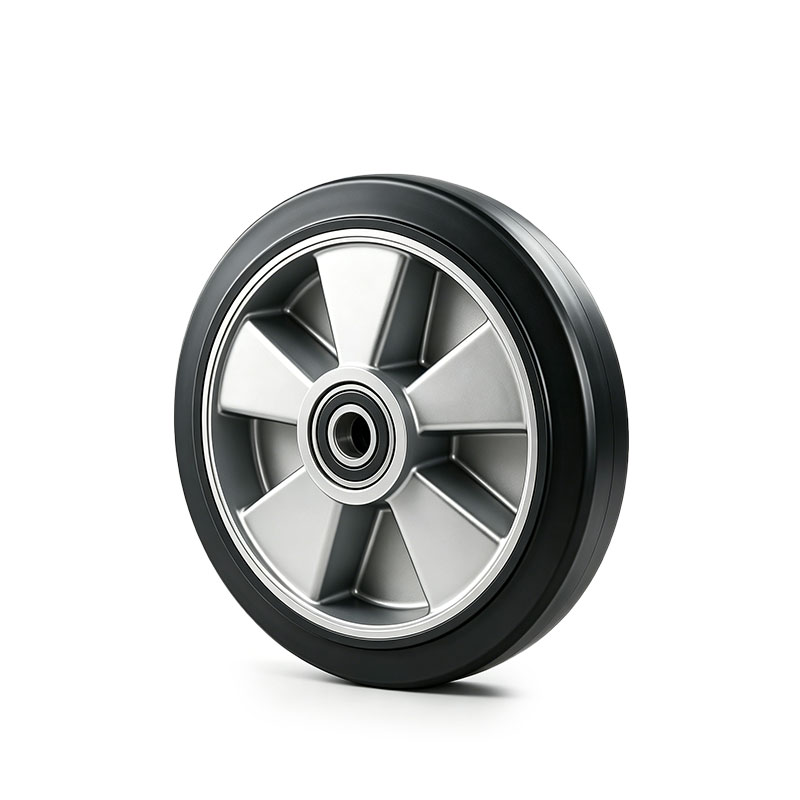
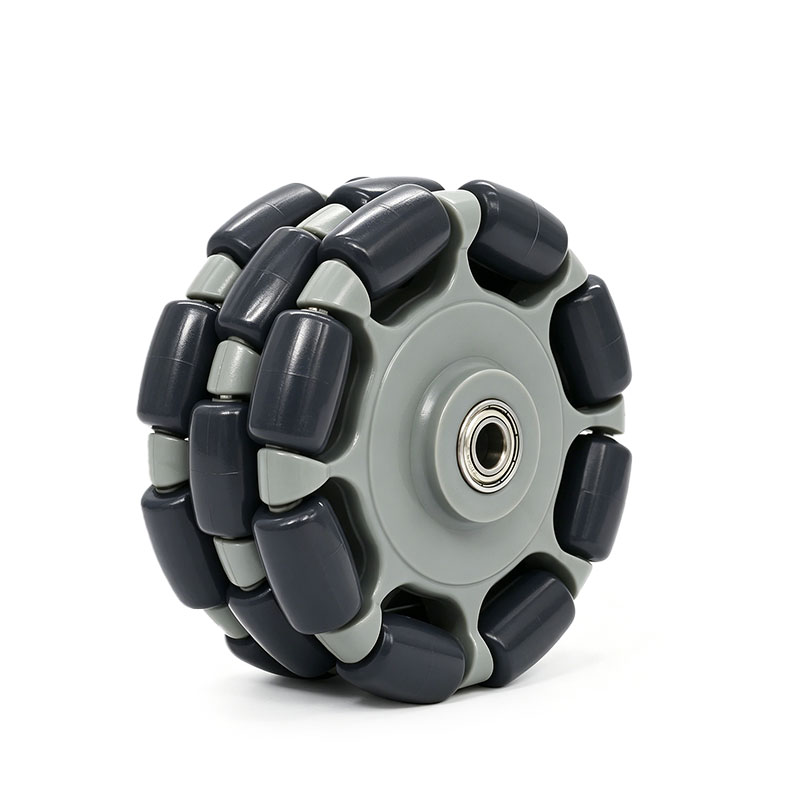
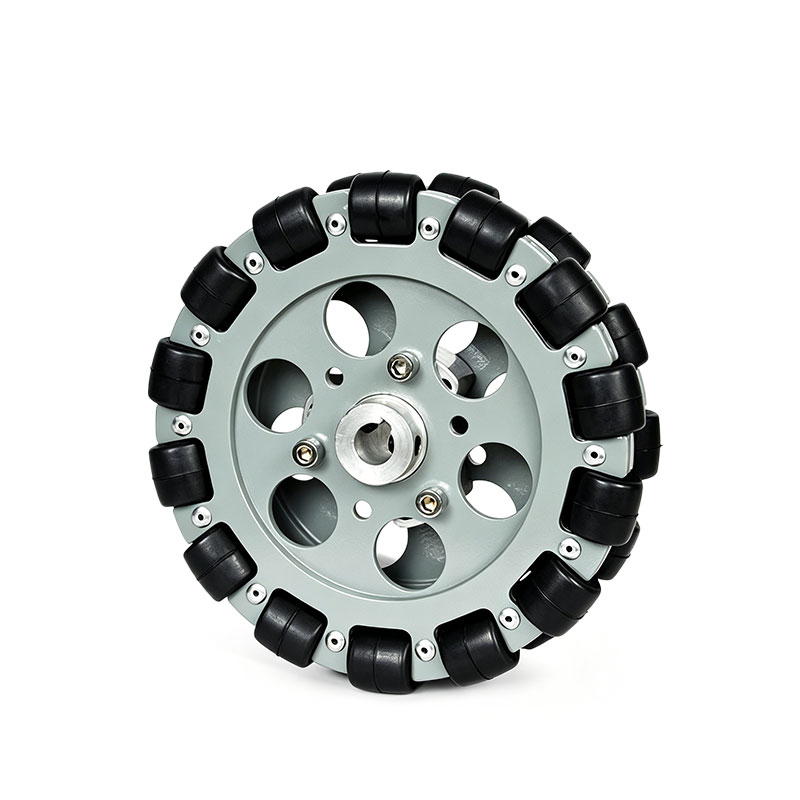
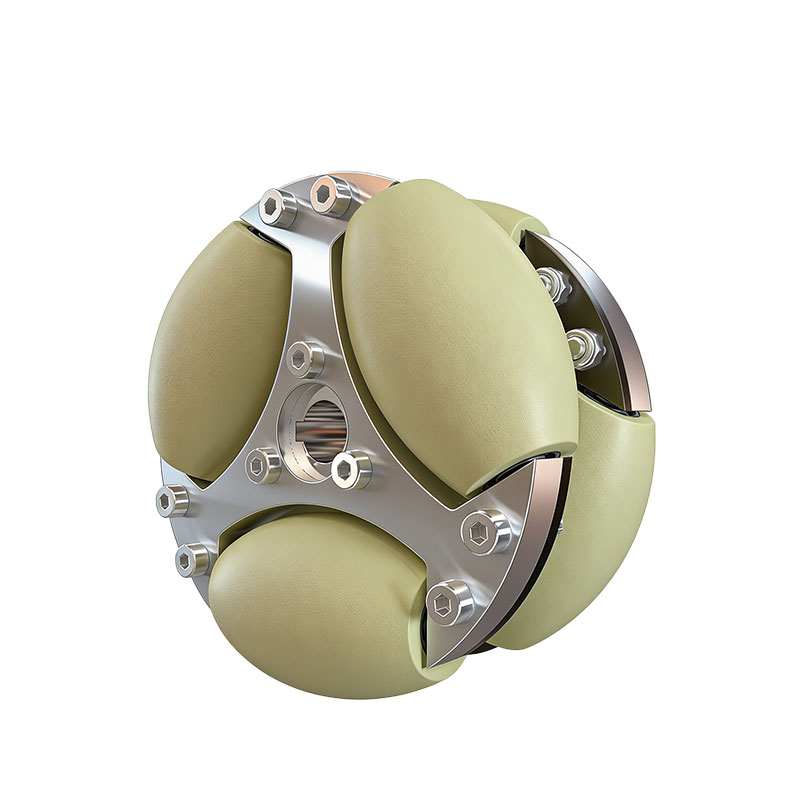
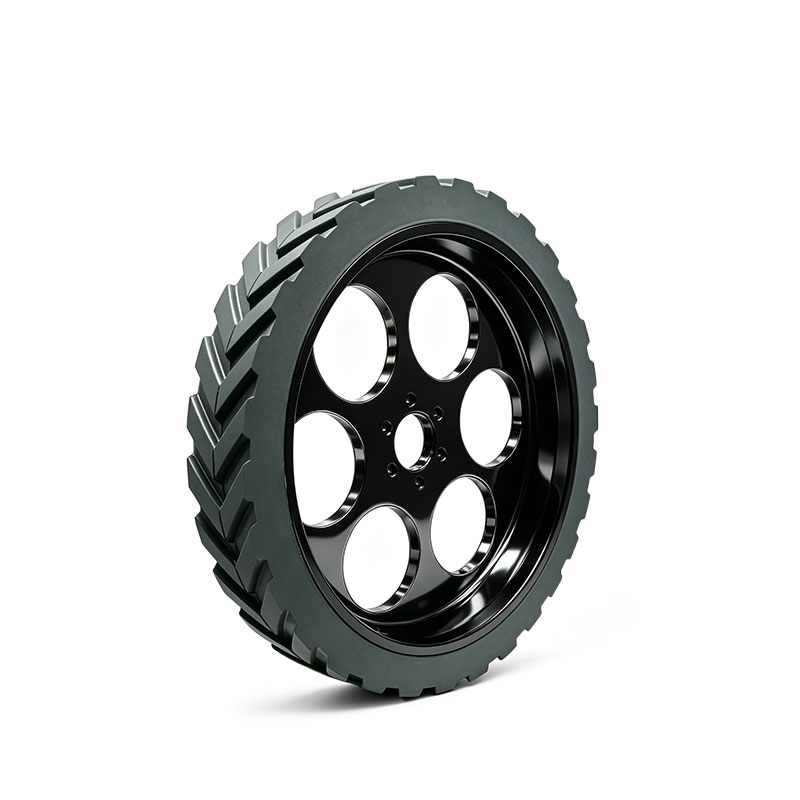
AstraRoll Roller Wheel series offers a comprehensive range of industrial-grade roller wheels, including Nylon, PU, Rubber, and Metal variants, engineered to meet diverse material handling and conveying requirements. Each type is crafted with material-specific advantages: Nylon rollers deliver wear resistance, impact toughness, and chemical inertness for reliable long-term operation; PU rollers combine exceptional load-bearing capacity, shock absorption, and low friction for heavy-duty performance; Rubber rollers provide superior elasticity, anti-slip grip, and vibration damping to protect materials and ensure stable conveying; Metal rollers offer maximum structural rigidity, high-temperature resistance, and extreme durability for the most demanding heavy-load industrial environments. All options feature robust construction, minimal maintenance needs, and consistent performance, providing tailored solutions for conveyor systems, manufacturing machinery, and industrial material processing across various sectors.
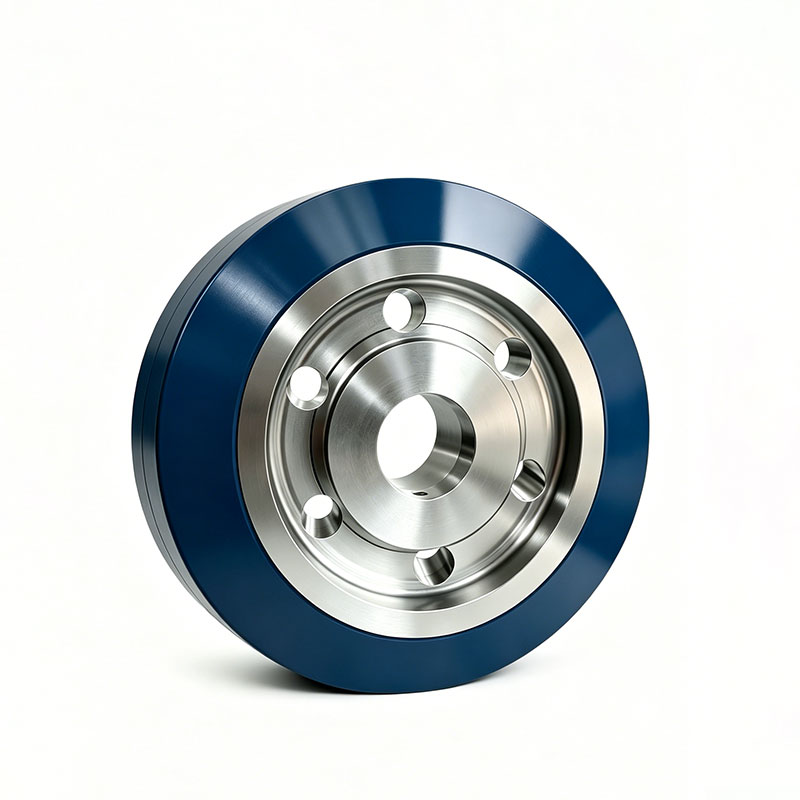
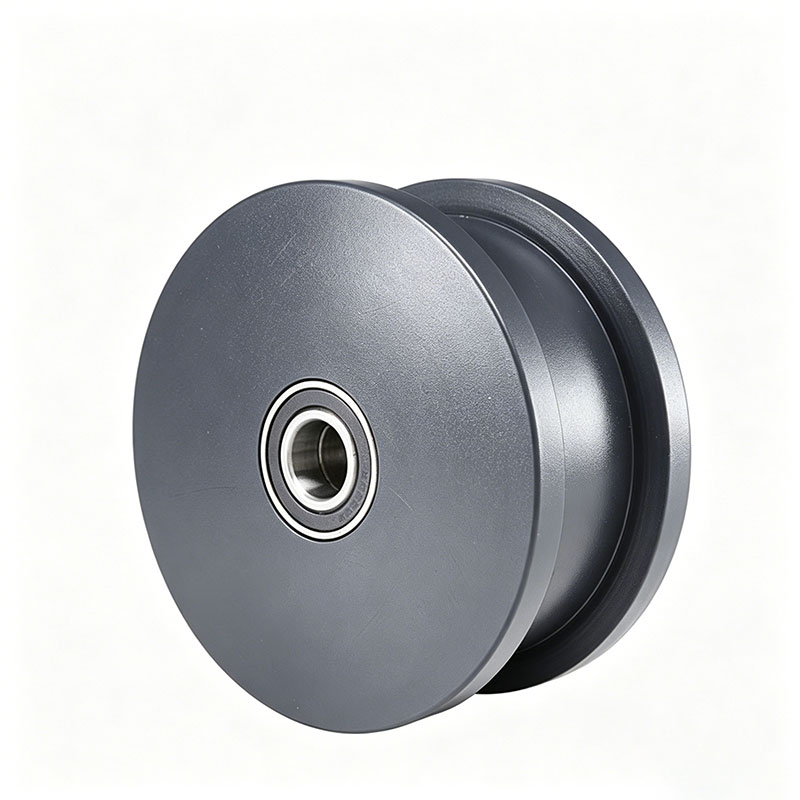
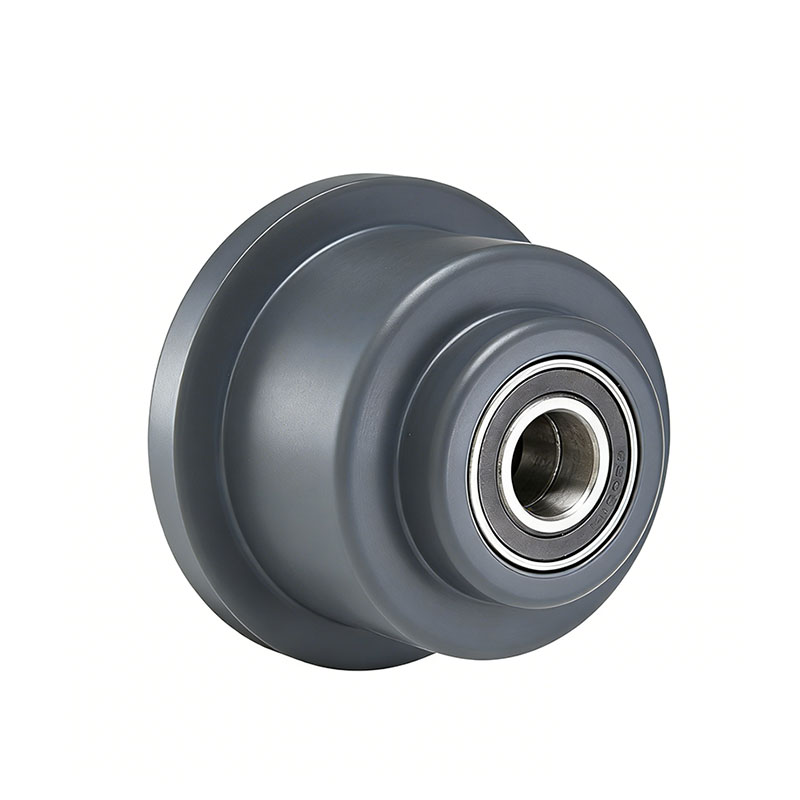
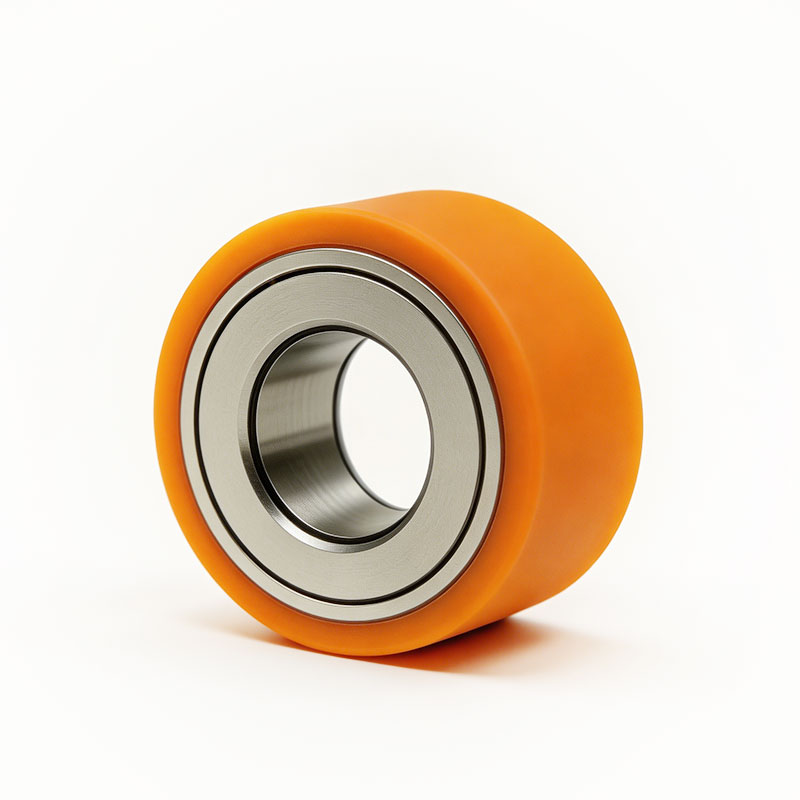
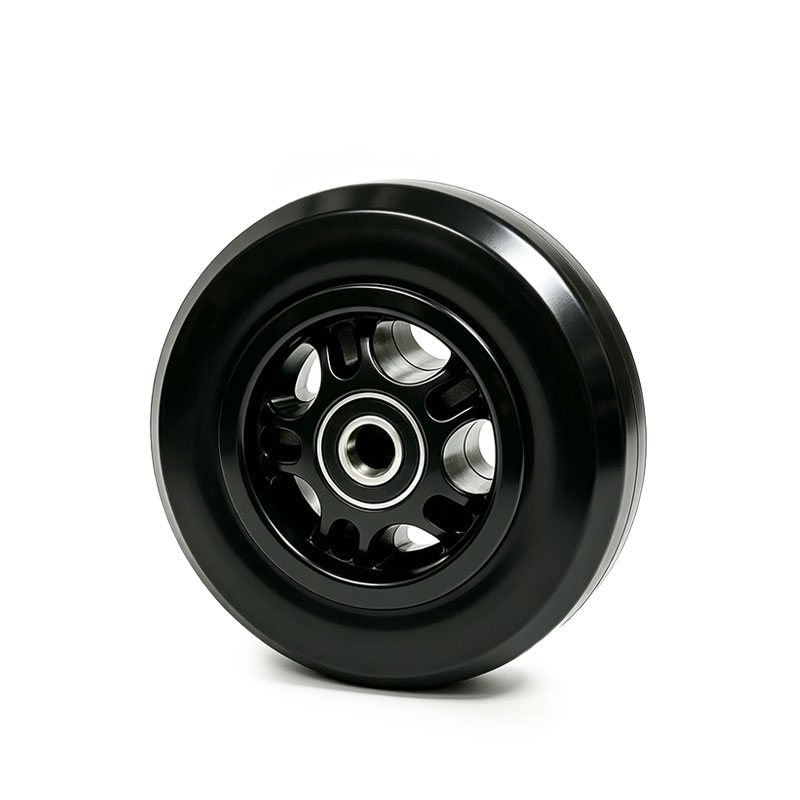
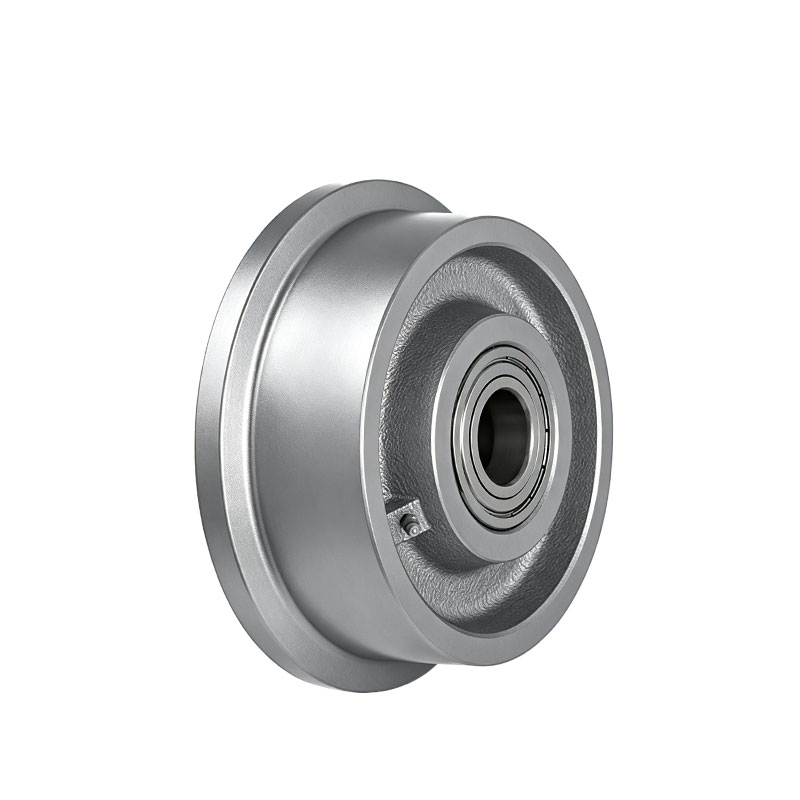
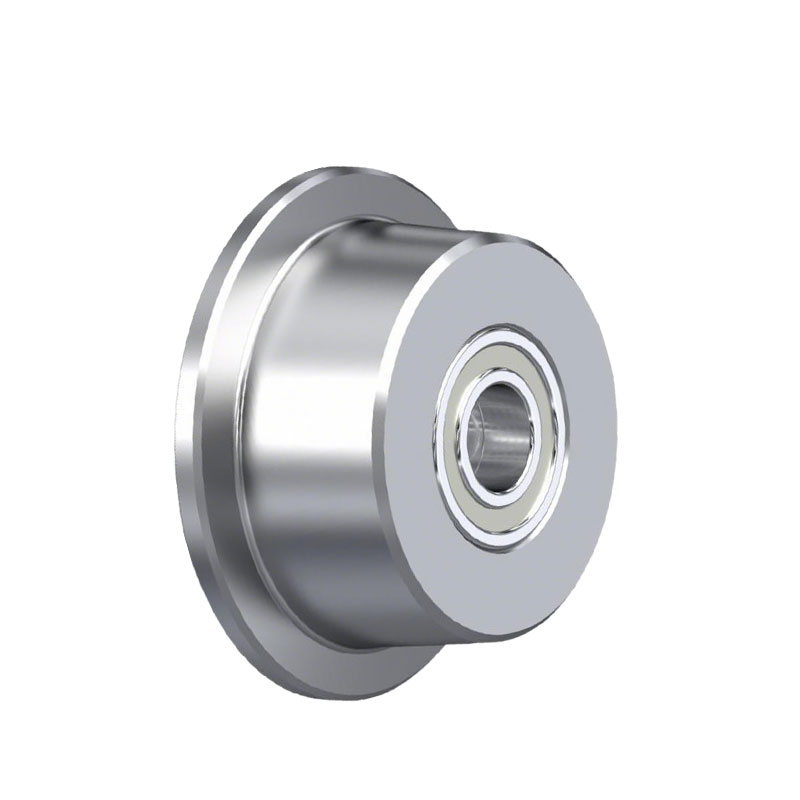
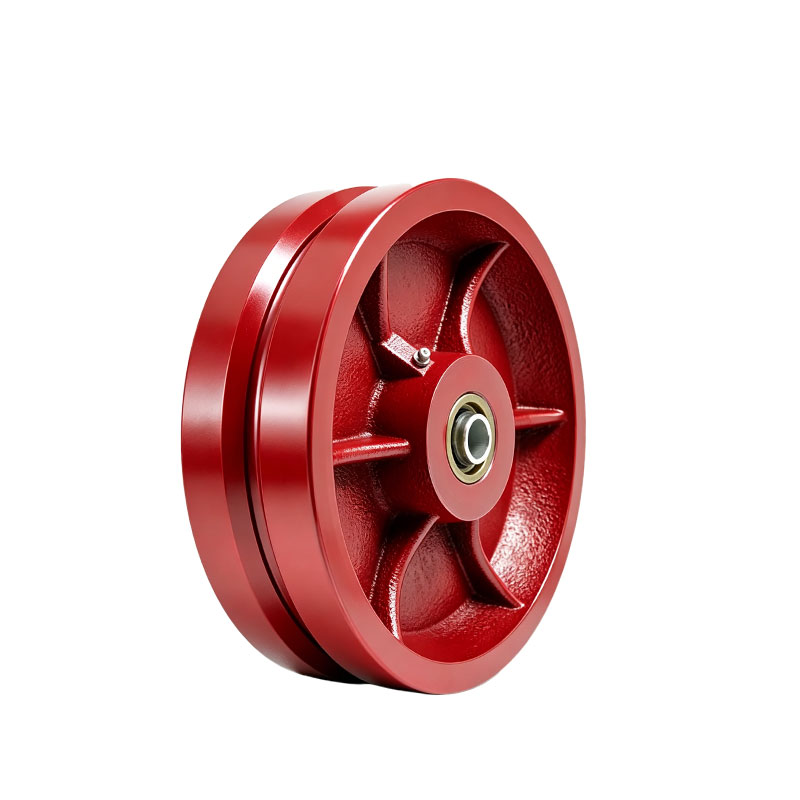
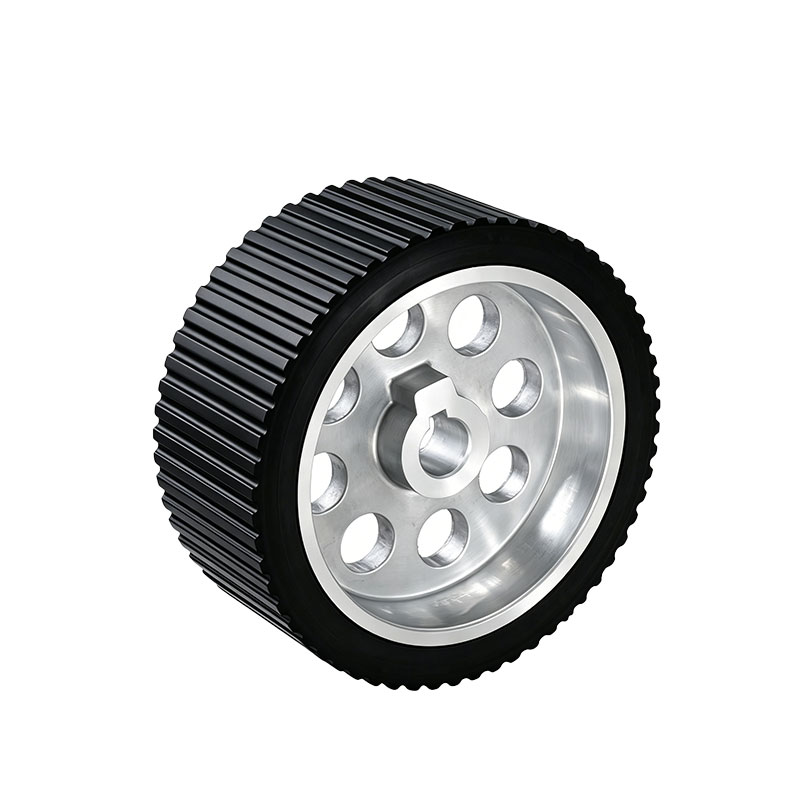
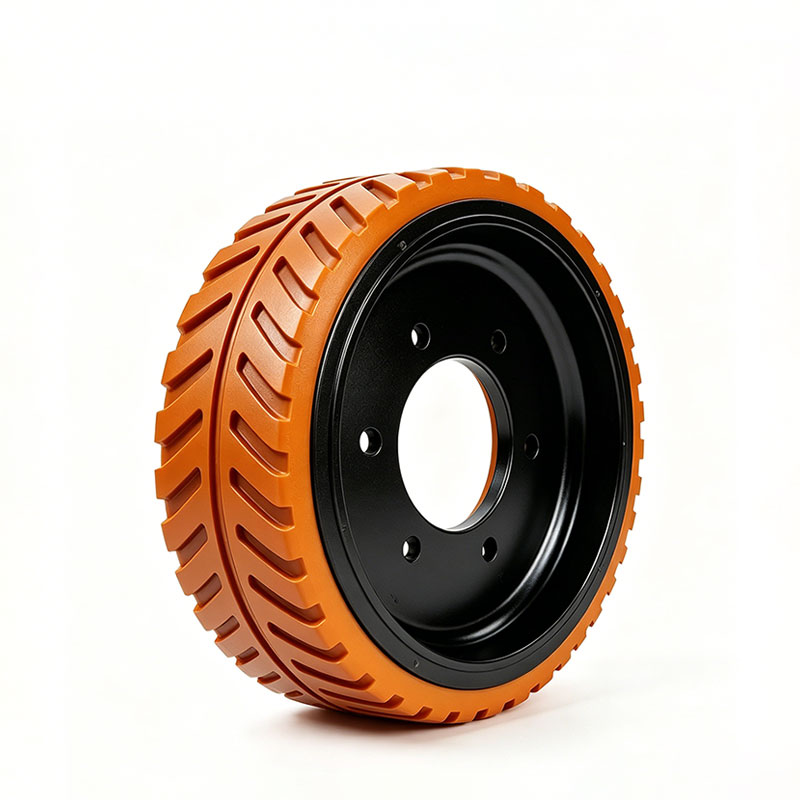
Classification of rollers by Surface Treatment
Rubber Coated Rollers Urethane Coated Rollers Chrome Plating Electroless Nickel Plating Zinc Plating Teflon Coating Ceramic Coating Thermal Spray Plasma Spray Coating Tungsten Carbide Coated Rollers Anodizing Industry Roller Painting Industry Roller Induction Hardening Baking Varnish Polishing RollerClassification of rollers by Roll Function
Embossing Roller Spreader Roller Printing Roller Conveyor Roller Chill Transfer Rollers Heat Transfer RollersClassification of rollers by Industry
Industrial Roller Printing Industry Roller Textile Industry Roller Logistics Conveyor Roller Packaging Industry Roller Converting Industry Roller Glass Industry Roller Chemical Industry Roller Mining Industry Roller Medical Industry Roller New Energy Industry Roller Agriculture Industry Roller Electronics Industry Roller Recycling Industry RollerRoller Wheel FAQs
Choosing the right industrial wheel material is critical for both performance and floor protection.
- For Hard Floors (Concrete, Tile, or Resin): We recommend Polyurethane (PU) wheels or rubber-tread wheels. They offer excellent shock absorption, noise reduction, and won't leave marks on your expensive flooring.
- For Soft or Carpeted Floors: Hard Nylon or Polypropylene (PP) wheels are ideal. Their high hardness rating ensures minimal rolling resistance, making it much easier to push heavy loads.
- For Extreme Heat: In industrial ovens or high-temperature processing, Phenolic or Cast Iron wheels are the industry standard for heat resistance.
Understanding load capacity is vital for safety and equipment longevity:
- Dynamic Load: This is the maximum weight the heavy-duty wheel can carry while in motion. This is the most important metric for mobile equipment.
- Static Load: This refers to the weight the wheel can support while standing still.
- AstraRoll Pro Tip: To calculate the required capacity per wheel, use the formula:
T=(W+M) / (N-1)
(Where T = load per wheel, W = cart weight, M = max cargo weight, and N = number of wheels).
We use N-1 because uneven floors often cause one wheel to lose contact with the ground.
- Plain Bearings: Best for low-speed, economical applications or environments with high moisture and chemical exposure.
- Roller Bearings: The "workhorse" for industrial material handling. They handle heavy loads effectively with moderate rolling effort.
- Ball Bearings: The premium choice for ergonomic casters. They offer the quietest operation and the lowest manual effort, perfect for medical, electronic, and high-frequency use cases.
While both are popular, Polyurethane (PU) wheels generally outperform rubber in most industrial settings. PU offers a higher load-bearing capacity, superior resistance to oil and chemicals, and a much longer lifespan. However, Rubber wheels are unmatched when it comes to maximum floor cushioning and outdoor terrain where debris might be present.
Regular maintenance prevents accidents. You should replace your replacement wheels if you notice:
- Flat Spots: Caused by leaving heavy loads stationary for too long or dragging a locked wheel.
- Debonding: When the tread (like the PU layer) starts to separate from the metal or plastic core.
- Excessive Play: If the wheel wobbles or the bearings produce a grinding noise, it is time for an upgrade to ensure workplace safety.
What you may want to know about Roller Wheel
In high-demand industrial environments—ranging from automated guided vehicles (AGVs) in smart warehouses to heavy-duty trolleys in automotive assembly—the industrial wheel is the fundamental interface between your equipment and the floor. A low-quality wheel leads to excessive rolling resistance, floor damage, and increased manual strain. At AstraRoll, we engineer our industrial wheels as high-precision components designed to maximize mobility, load stability, and operational safety.
Technical Advantages & Specialized Engineering
Precision-Machined Wheel Cores: Unlike standard cast wheels, AstraRoll utilizes Integrated CNC Turning Centers to machine wheel hubs and cores. This ensures absolute concentricity and bearing seat alignment (within ±0.01mm), reducing "wobble" and ensuring even load distribution during high-speed movement.
Superior Polyurethane (PU) Bonding: For our heavy-duty PU wheels, we utilize advanced surface preparation and proprietary bonding agents. This prevents "tread de-bonding" even under extreme lateral forces, a common failure point in high-intensity Logistics and E-commerce hubs.
Optimized Rolling Efficiency: Every wheel is designed to minimize its "Starting Resistance." By utilizing high-grade, low-friction materials and precision Ball Bearings, we ensure that heavy loads—up to 3,000kg per wheel—can be moved with minimal energy consumption or manual effort.
Dynamic Balancing for AGV Applications: For high-speed automated systems, our wheels undergo ISO 21940 G2.5 Dynamic Balancing. This eliminates high-frequency vibrations that can interfere with sensitive electronic sensors in AGVs and mobile robotics.
Specialized Surface Engineering: We offer a variety of tread profiles and hardness levels (Shore A to Shore D) tailored to your environment. Whether you require Non-marking wheels for cleanrooms or High-Traction grooved wheels for wet industrial floors, our surface treatments provide the ideal grip-to-slip ratio.
Why Partner with AstraRoll?
Integrated Manufacturing Excellence: We manage the entire fabrication process in-house. From raw metal casting and precision CNC milling to the final polyurethane pouring and curing, our vertical integration guarantees that every wheel meets our rigorous internal quality benchmarks.
Certified Quality & Metrology: Our Quality Control Lab utilizes precision instruments and Durometer testers to verify material hardness and dimensional accuracy. We conduct 100% inspections on critical tolerances to ensure "Plug-and-Play" compatibility with your existing equipment.
Strategic Global Partnerships: AstraRoll wheels are the preferred choice for industry leaders in demanding sectors.
Our components are currently enhancing operational efficiency for:
- Automotive: Heavy-duty transport dollies for production lines associated with BYD and Lixiang.
- Logistics: High-cycle sorting and warehouse equipment for Cainiao and JD.com fulfillment centers.
- Food & Pharmaceutical: Corrosion-resistant stainless steel casters for WH Group and Hengrui facility maintenance.
Custom-Engineered OEM/ODM Solutions: We specialize in addressing complex mobility challenges. Whether you need custom-sized drive wheels for a prototype robot or high-temperature wheels for industrial kilns, our engineers work directly from your CAD specifications to deliver high-performance industrial solutions.