
Rubber Roller
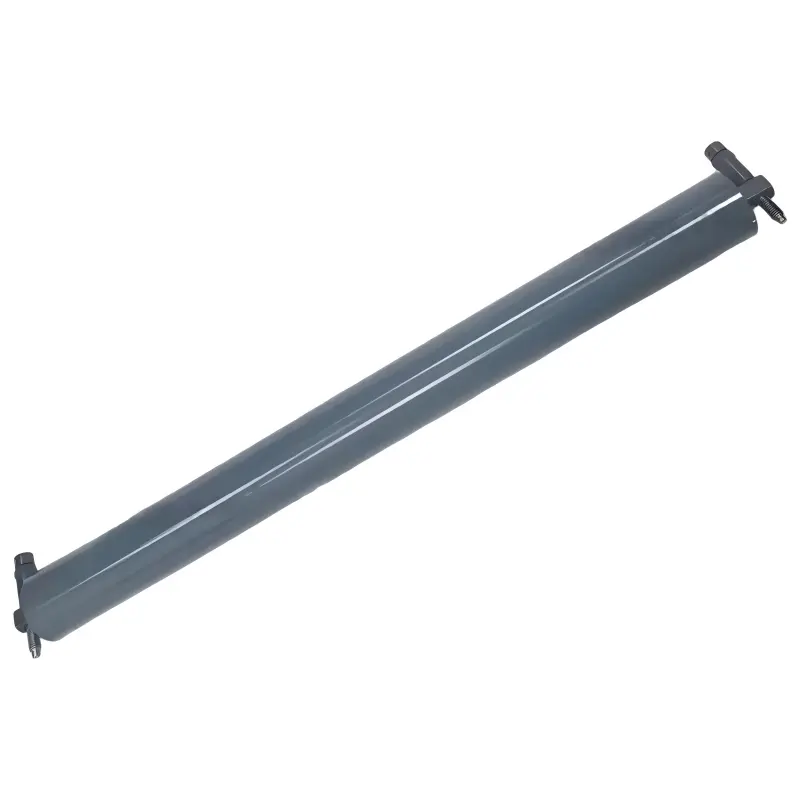
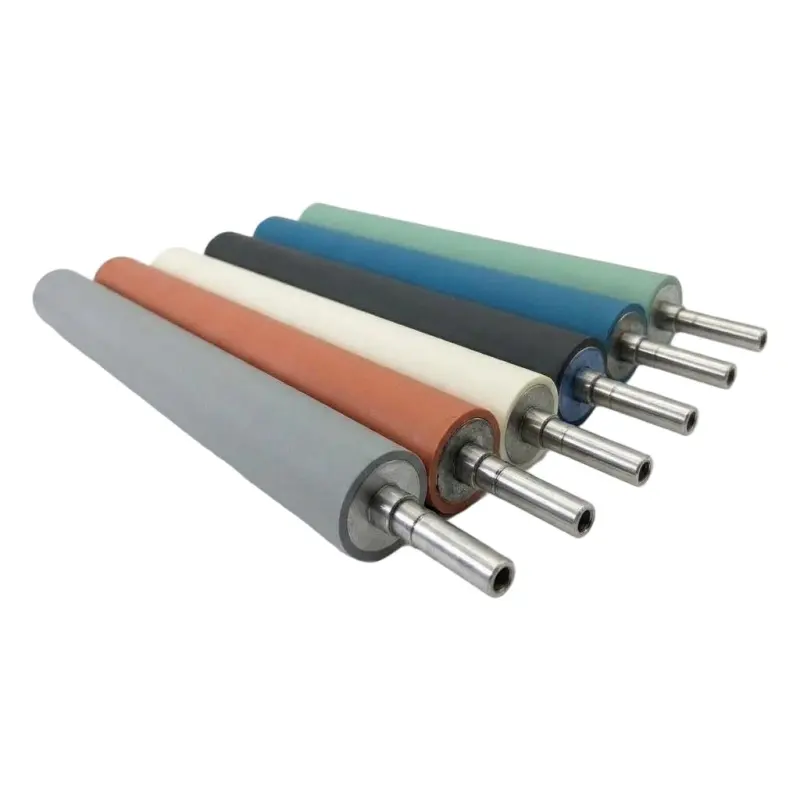
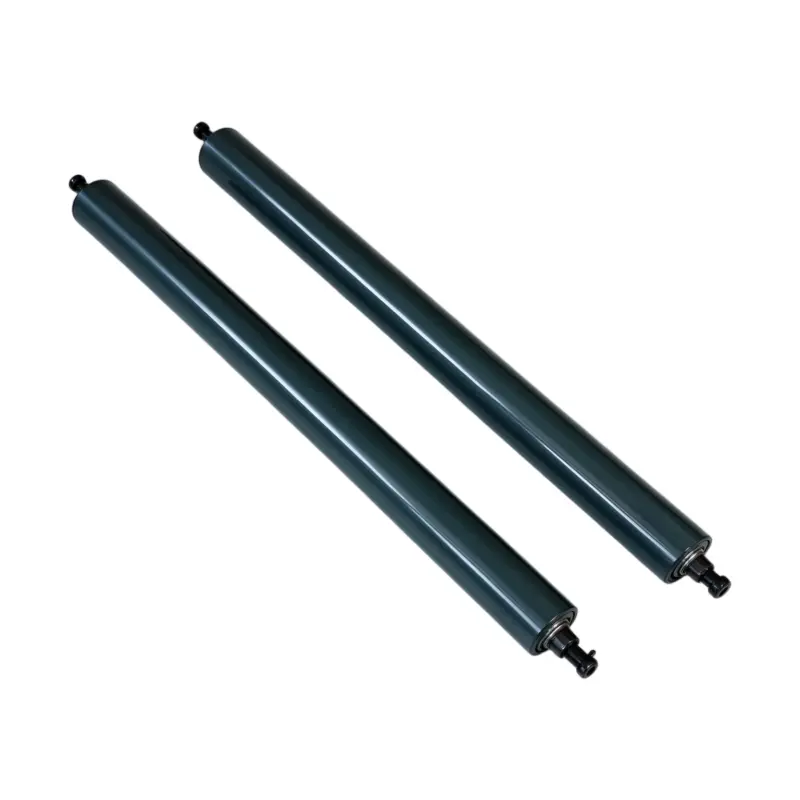
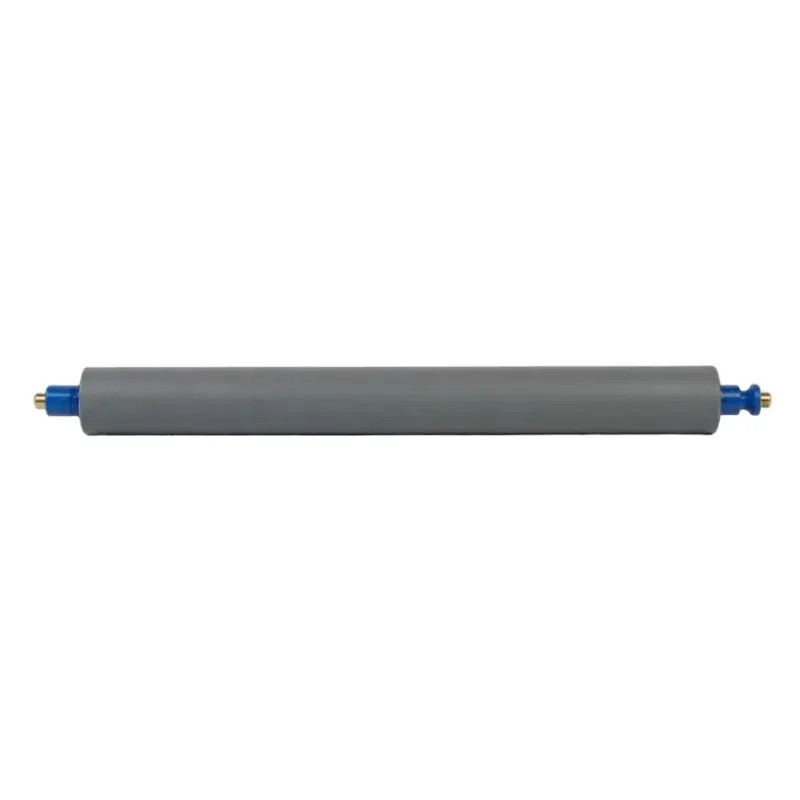
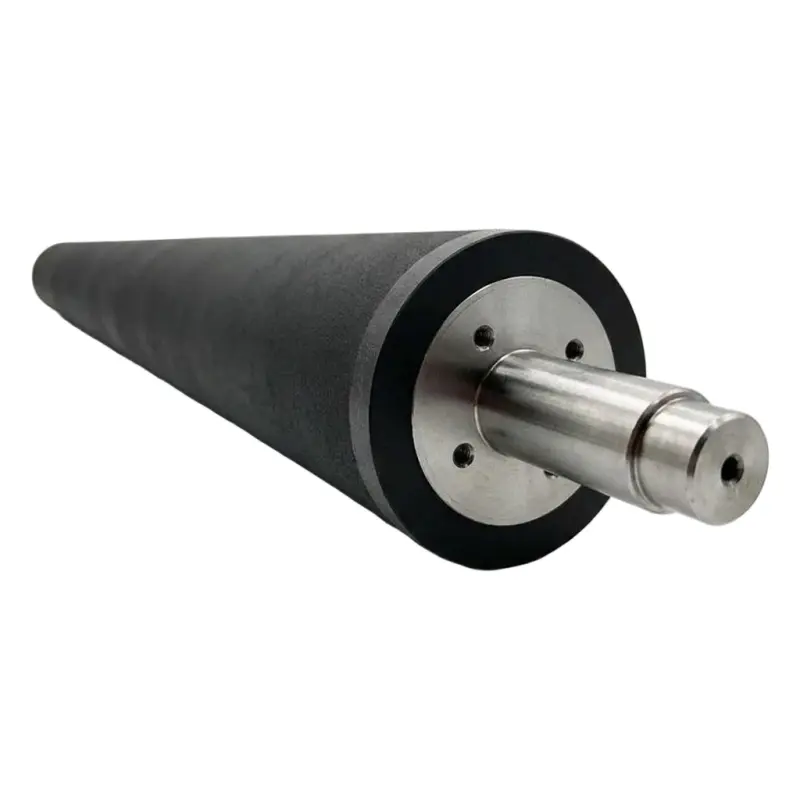
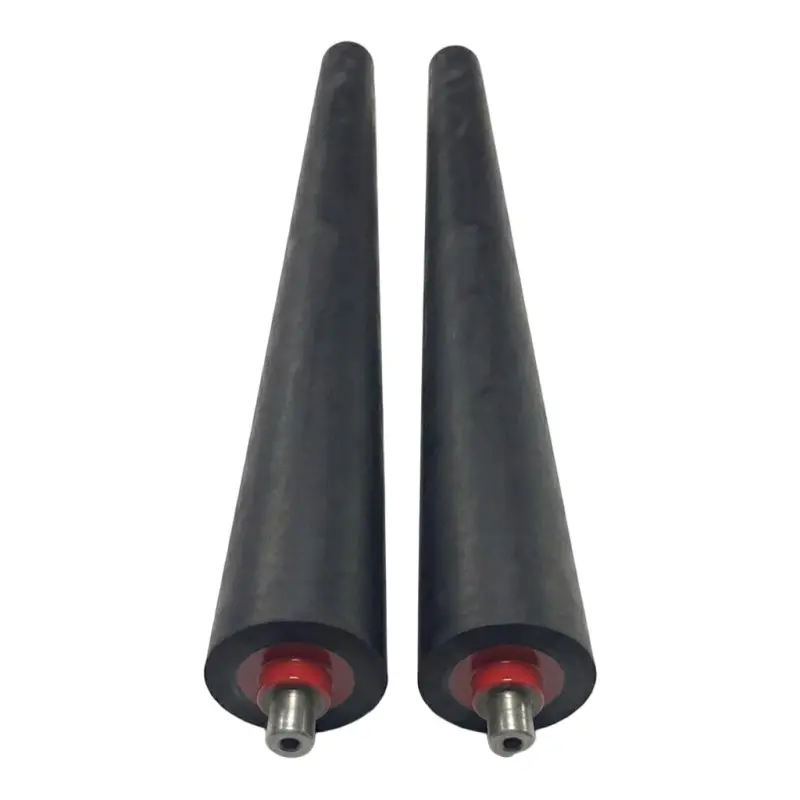
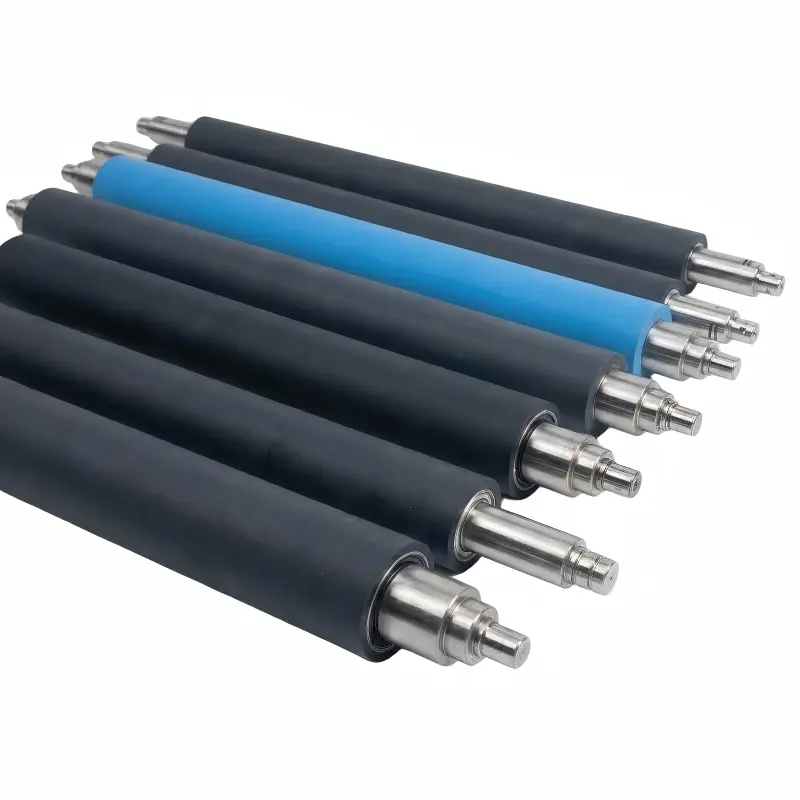
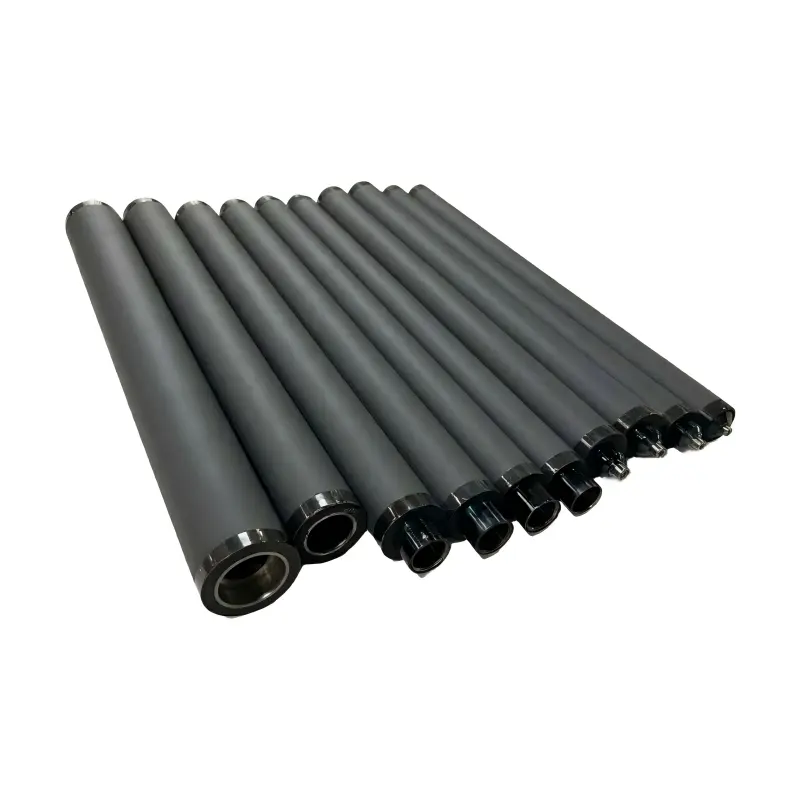
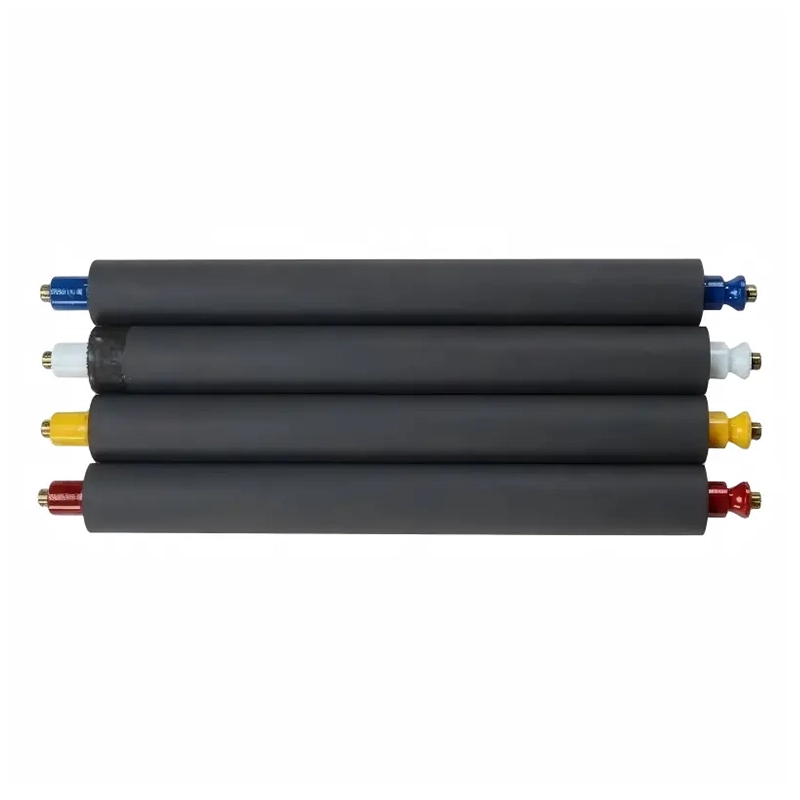
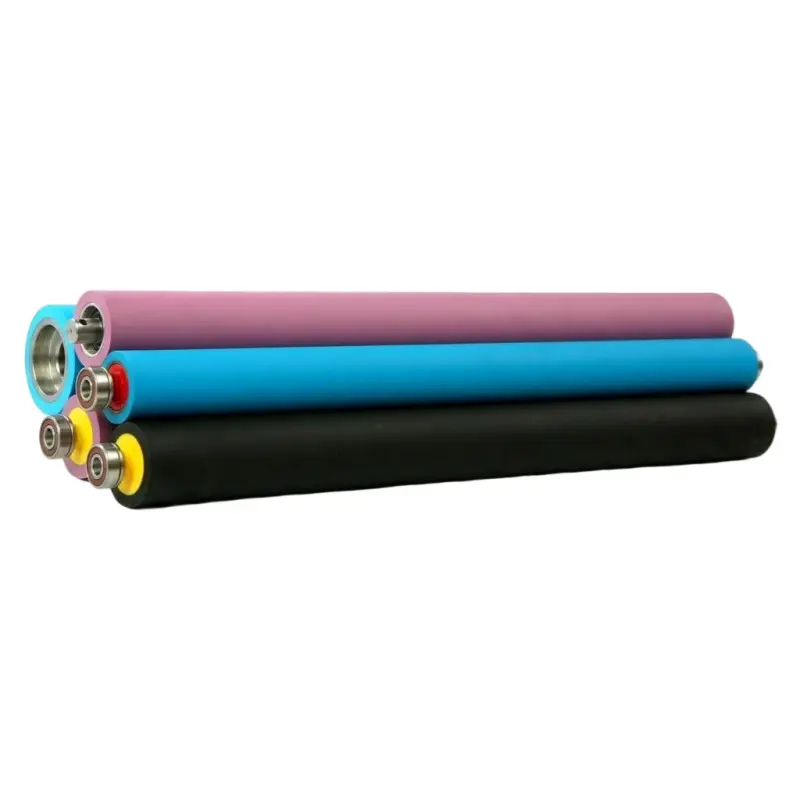
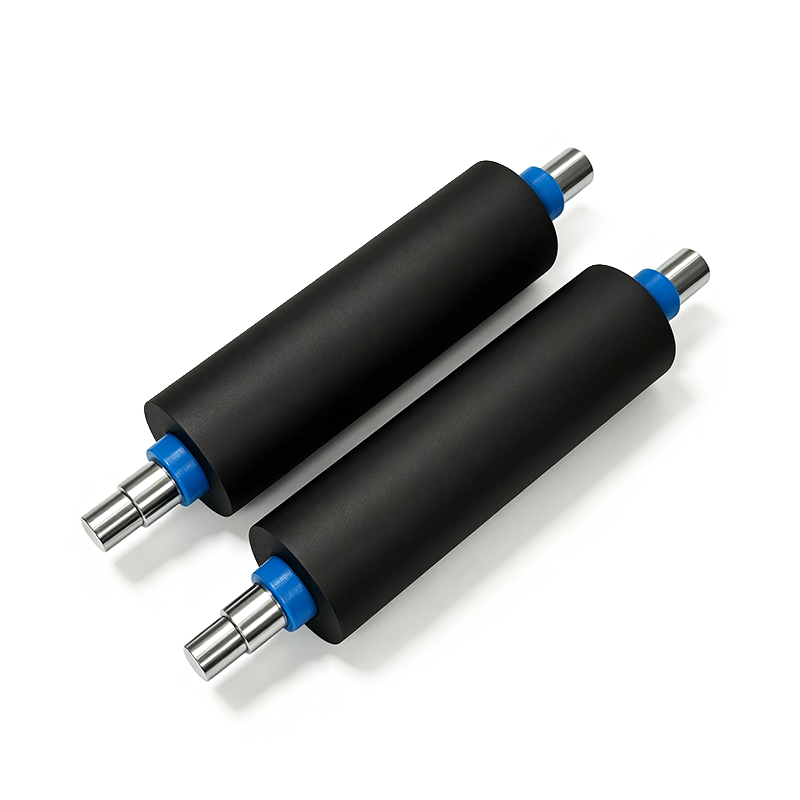
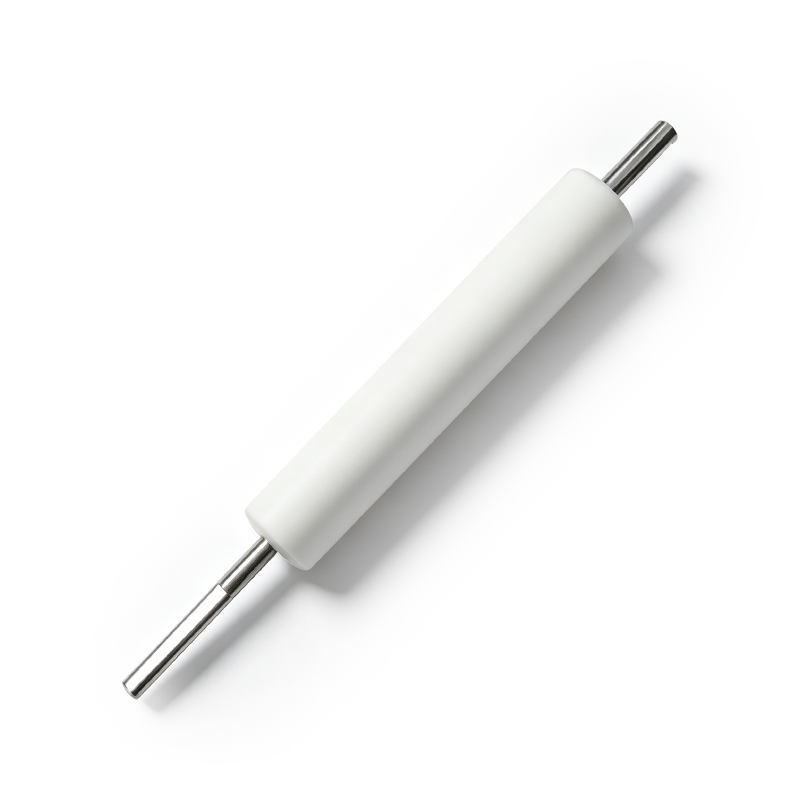
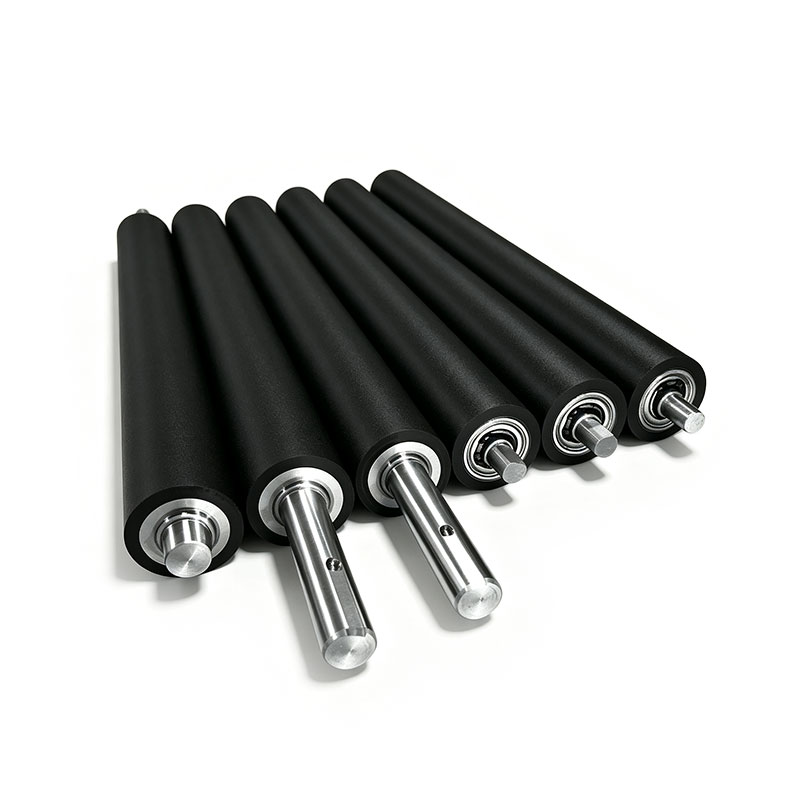
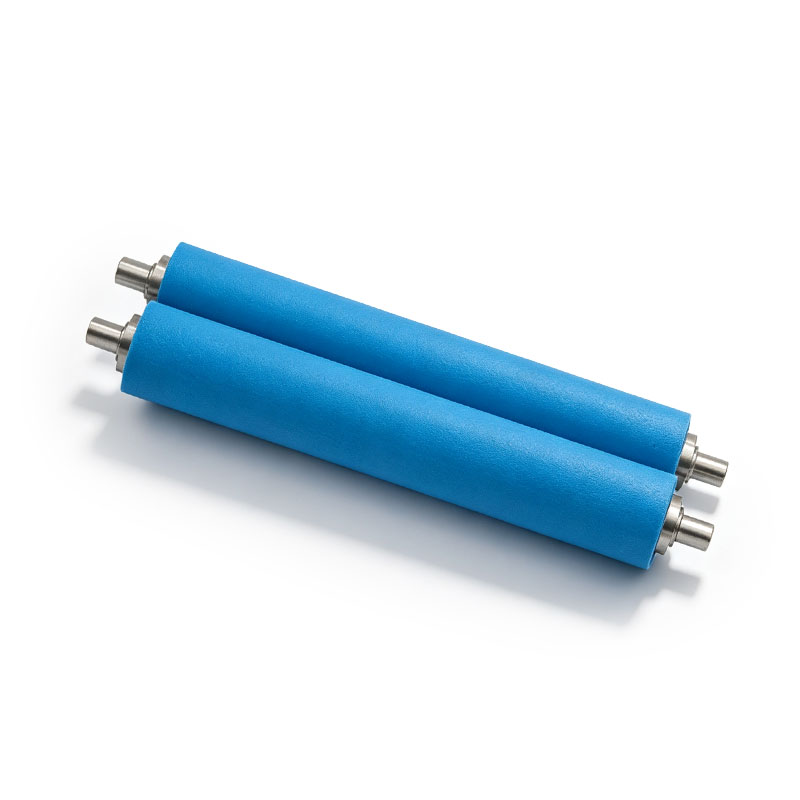
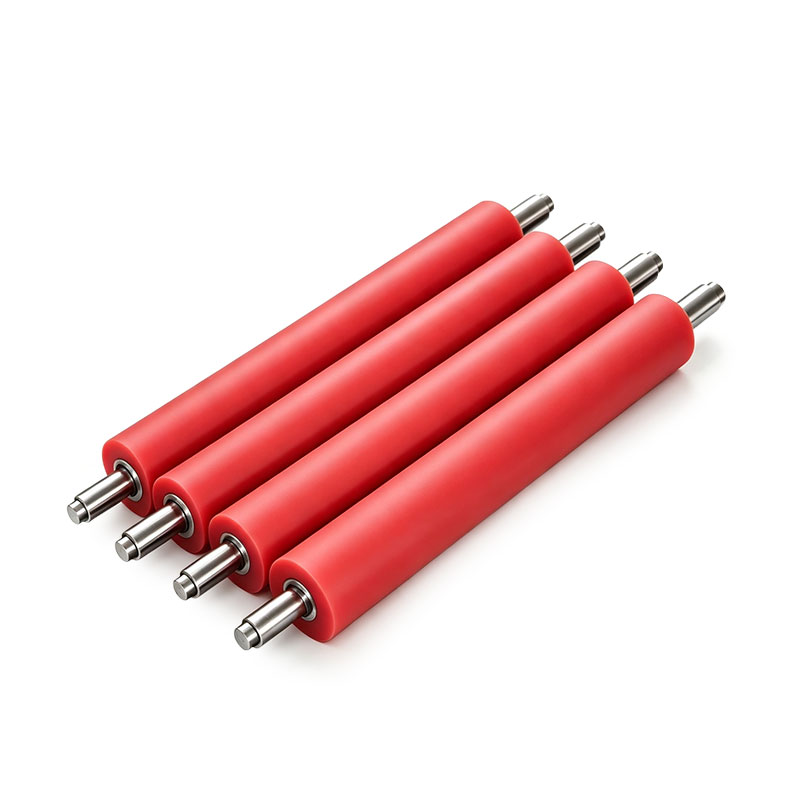
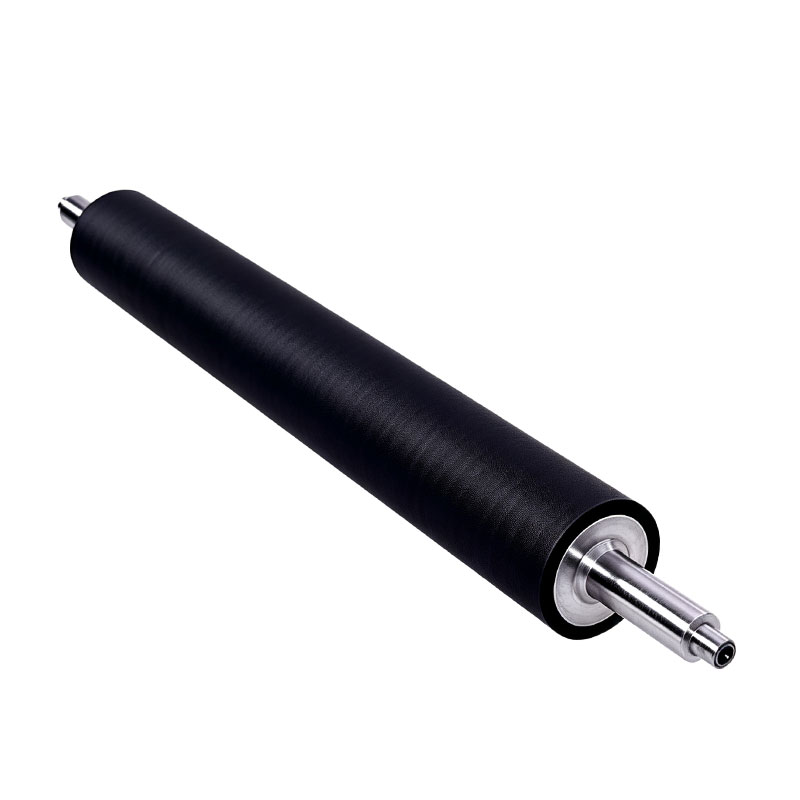
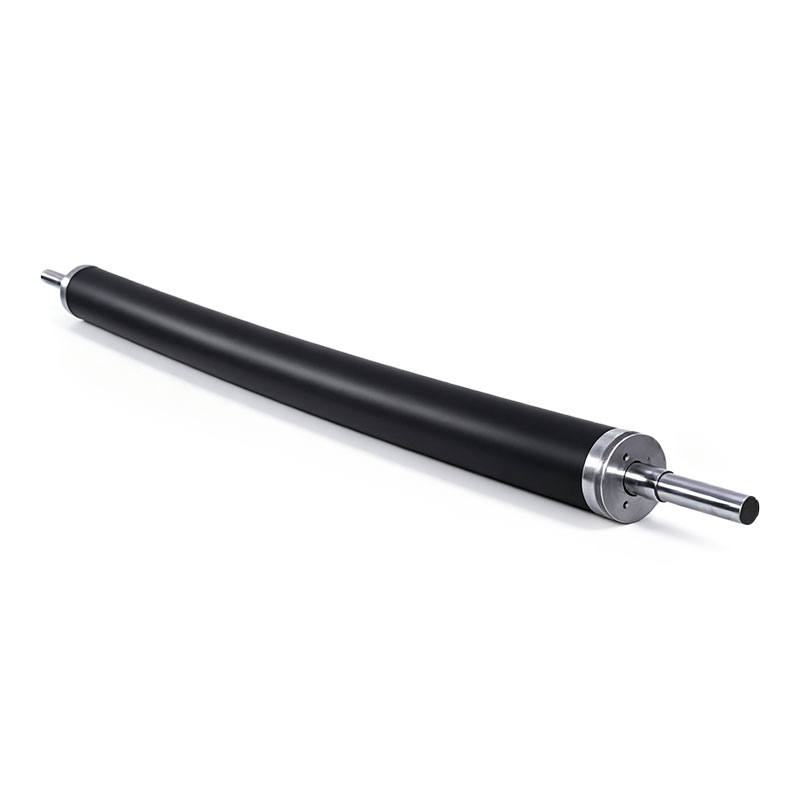
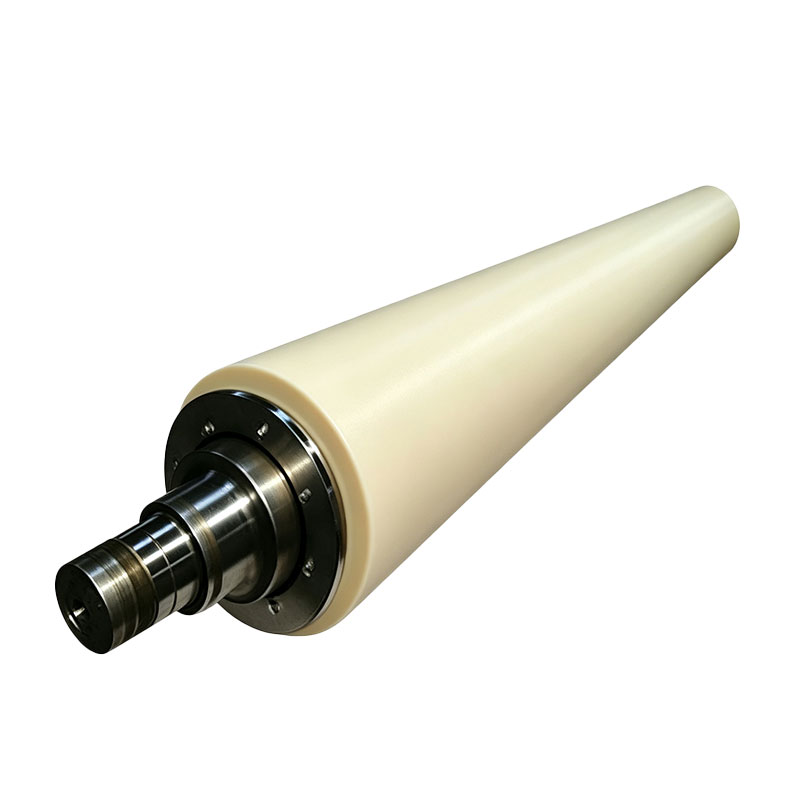
AstraRoll Rubber Roller is widely used across countless industrial applications for its excellent elasticity and versatile performance. Built with a solid integrated structure, it offers reliable stability and consistent operation, while its rubber surface provides a high coefficient of friction for exceptional grip and slip resistance during material handling and conveying. This roller effectively protects delicate surfaces from scratches, dents or damage, absorbing impact energy and resisting deformation to maintain smooth, stable performance. Featuring outstanding wear resistance and reliable durability, it helps reduce noise, improve material control, and extend service life in printing, packaging, laminating, textile processing and other demanding production environments.
Rubber Roller FAQs
Rubber rollers differ from steel or plastic rollers primarily in their elasticity, grip, and shock absorption capabilities—features that steel/plastic rollers lack. Rubber rollers are ideal when you need to prevent material slippage (e.g., conveyor systems for slippery goods), protect fragile products (e.g., packaging lines for glass or electronics), reduce noise and vibration (e.g., indoor machinery), or transfer pressure evenly (e.g., printing ink transfer). They also excel in applications where gentle traction is needed, avoiding damage to surfaces or products, which makes them a better choice than rigid steel/plastic rollers in these scenarios.
No, AstraRoll rubber rollers use advanced vulcanization technology to bond the rubber layer tightly to the steel/aluminum core. This process ensures a strong, permanent bond that resists peeling, delamination, or separation, even under high pressure, frequent rotation, extreme temperature changes, or heavy loads. We also conduct strict quality inspections after vulcanization to ensure the bond is uniform and durable, minimizing the risk of premature failure.
Yes, we fully customize rubber layer thickness based on your needs. Thinner rubber layers are ideal for applications requiring precise contact (e.g., printing rollers for ink transfer) or enhanced rigidity. Thicker rubber layers provide better shock absorption and grip, suitable for heavy-duty conveyors, impact-prone areas, or applications where vibration reduction is key. The thickness also affects wear resistance—thicker layers typically last longer in abrasive environments, while thinner layers offer more precision.
Yes, we offer food-grade rubber rollers specifically designed for food contact applications. We use non-toxic, food-safe rubber materials (such as food-grade silicone or natural rubber) that comply with global food safety standards. These rollers are free of harmful additives, resistant to food residues, and easy to clean, making them safe for use in food processing, beverage packaging, and food conveyor systems. We can also provide relevant food safety certifications upon request.
Yes, we can customize rubber rollers with anti-static or anti-adhesive properties to meet specific application needs. Anti-static rubber rollers are ideal for electronic component handling or textile processing, where static electricity can damage products or attract dust. Anti-adhesive rubber rollers prevent materials from sticking to the roller surface, suitable for packaging lines, food processing, or applications involving sticky substances.
What you may want to know about Rubber Roller
AstraRoll's Rubber Roller is a high-performance industrial component engineered for versatility, durability, and reliable performance across a wide range of conveyor and industrial applications. As a trusted manufacturer of precision rollers, we craft rubber rollers that combine high-quality rubber materials, robust core construction, and advanced processing technology—delivering excellent grip, shock absorption, wear resistance, and noise reduction for seamless operation in diverse working environments.
We understand that rubber rollers are critical to the efficiency and longevity of conveyor systems, printing machinery, packaging lines, and other industrial equipment. Unlike generic rubber rollers, AstraRoll's products are tailored to meet the unique demands of each application, balancing flexibility, rigidity, and chemical resistance to ensure consistent performance, reduce downtime, and lower maintenance costs for our customers.
Core Advantages of AstraRoll Rubber Roller
AstraRoll's rubber rollers stand out for their superior quality, thoughtful design, and wide adaptability—built to exceed industry standards and support the most demanding industrial operations.
Premium Rubber Materials for Diverse Needs
We select high-quality rubber materials based on application requirements, ensuring optimal performance in different working conditions. Our material options include:
- Natural Rubber (NR): Offers excellent elasticity, grip, and shock absorption, ideal for general-purpose conveyor systems, material handling, and light industrial applications.
- Nitrile Rubber (NBR): Features strong oil and chemical resistance, suitable for environments involving oil, grease, or mild chemicals—common in automotive, printing, and packaging industries.
- Silicone Rubber (VMQ): Provides superior high-temperature resistance, weather resistance, and non-stick properties, perfect for high-heat applications such as food processing, packaging, and textile machinery.
- Neoprene Rubber (CR): Delivers excellent weather resistance, ozone resistance, and mechanical strength, ideal for outdoor or harsh environmental conditions.
- EPDM Rubber: Offers outstanding chemical resistance, weather resistance, and durability, suitable for applications involving water, steam, or corrosive substances.
All rubber materials are non-toxic, environmentally friendly, and comply with relevant industrial standards, ensuring safe use in food, pharmaceutical, and other hygiene-sensitive industries.
Robust Core & Precision Processing
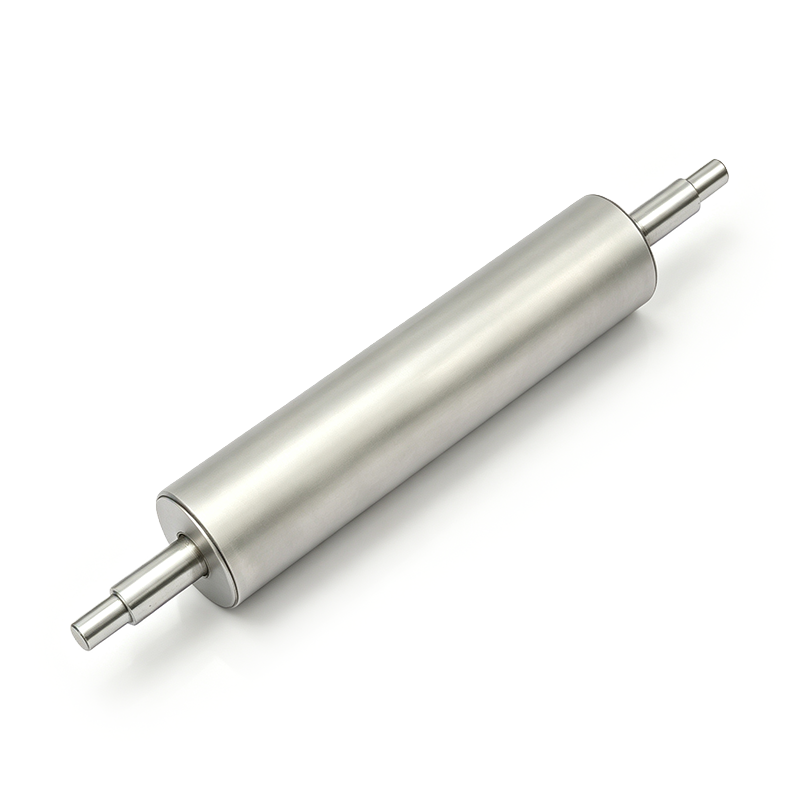
Our rubber rollers feature a sturdy core made of high-quality steel or aluminum, providing strong load-bearing capacity and structural stability. The core is precision-machined to ensure smooth surface finish and dimensional accuracy, laying the foundation for uniform rubber coating.
We use advanced rubber vulcanization technology to bond the rubber layer tightly to the core, preventing delamination or peeling even under high pressure, frequent rotation, or extreme temperature changes. The rubber layer thickness is customizable, ranging from thin coatings for grip enhancement to thick layers for shock absorption, ensuring optimal performance for specific applications.
Versatile Design for Multiple Applications
AstraRoll's rubber rollers are available in a variety of configurations, sizes, and surface treatments to suit different industrial needs. Our core product lineup includes:
- Conveyor Rubber Rollers: Designed for conveyor systems, providing excellent grip to prevent material slippage, reduce belt wear, and ensure smooth material transport—used in logistics, mining, food processing, and warehousing.
- Printing Rubber Rollers: Featured with uniform hardness and smooth surface, ensuring even ink transfer and high printing quality for offset printing, flexographic printing, and digital printing machinery.
- Packaging Rubber Rollers: Ideal for packaging lines, offering gentle grip and pressure to handle fragile products, prevent damage, and ensure precise packaging alignment.
- Industrial Processing Rubber Rollers: Used in textile, leather, paper, and metal processing industries, providing pressure, traction, or buffering to support various production processes.
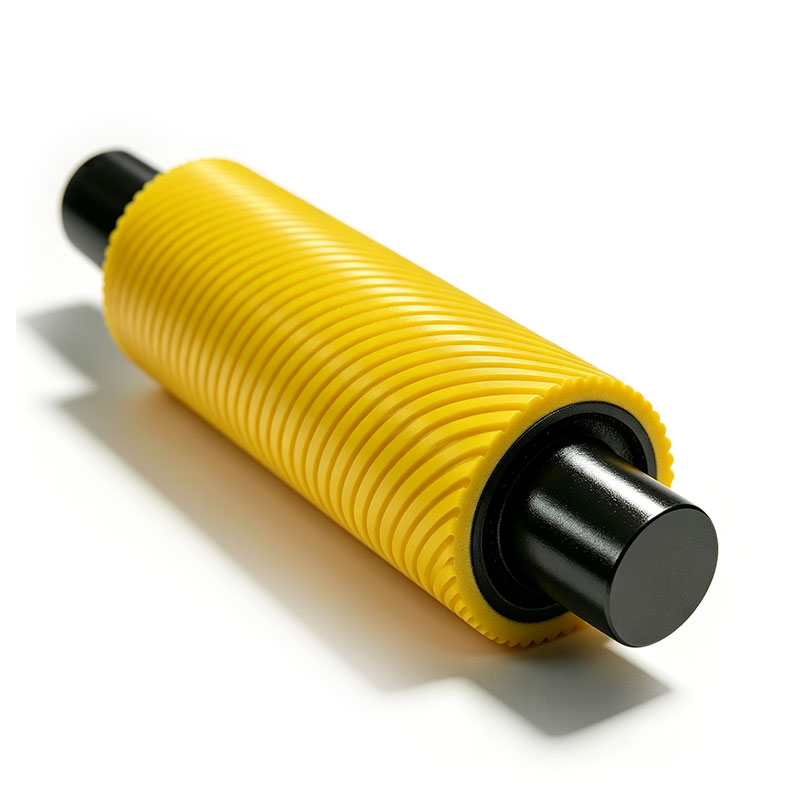
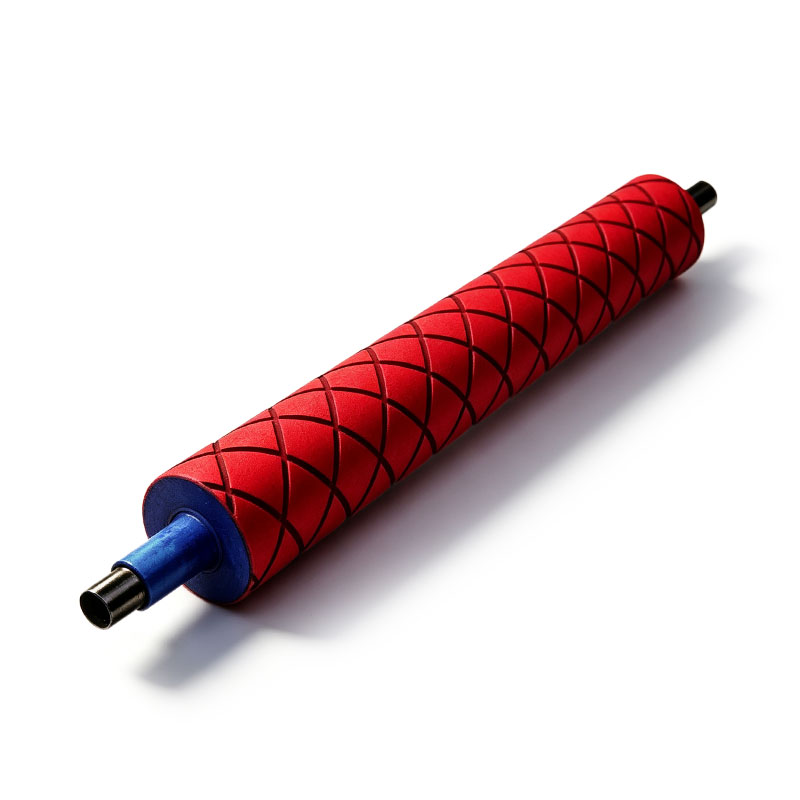
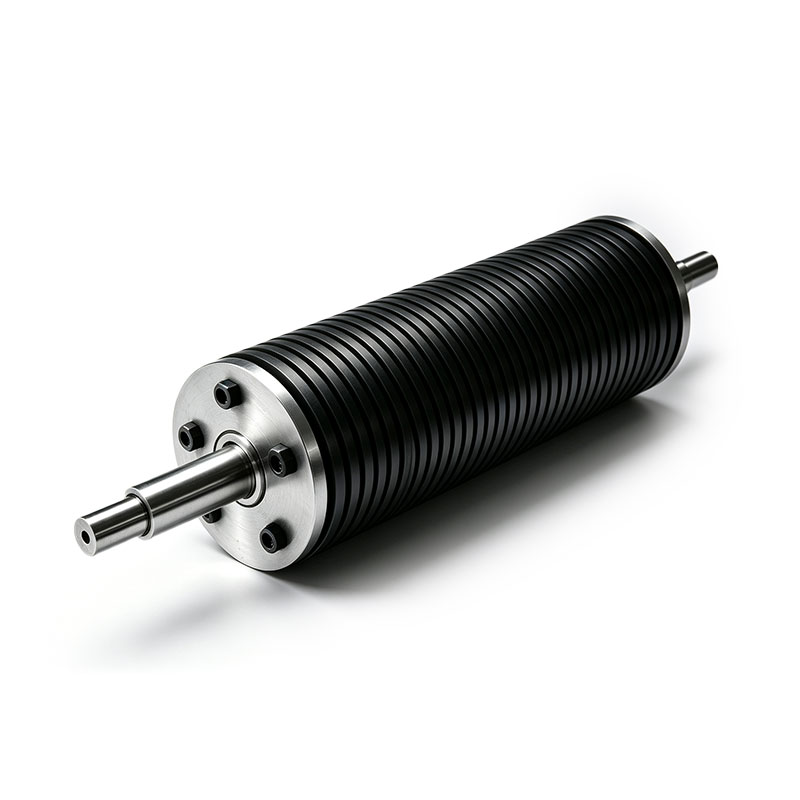
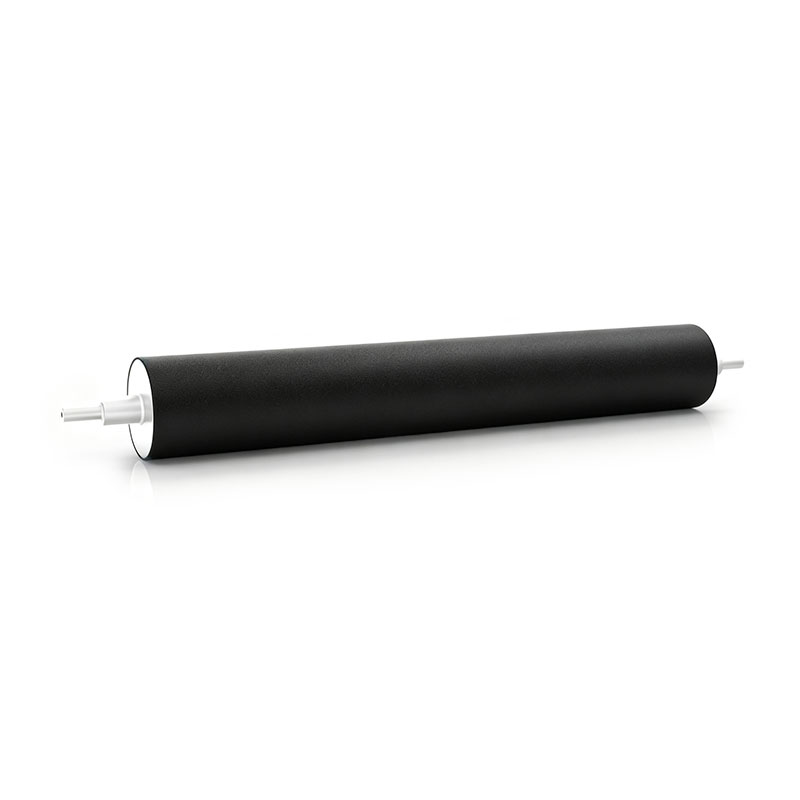
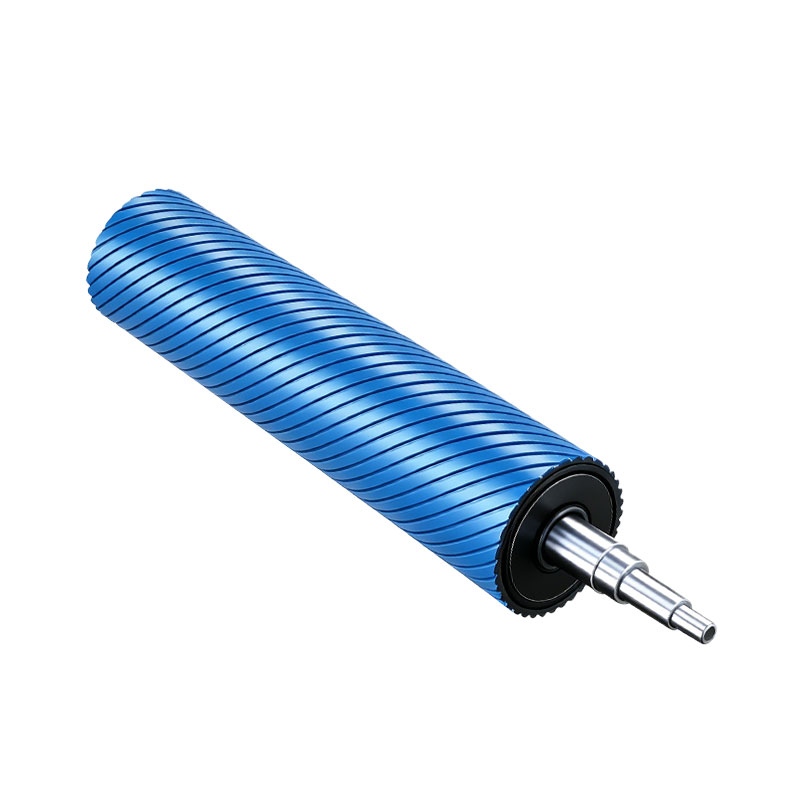
We support full customization of roller diameter, length, shaft size, rubber hardness (Shore A 30–90), and surface pattern (smooth, grooved, knurled) to match your specific equipment and application requirements.
Excellent Performance & Low Maintenance
AstraRoll's rubber rollers are engineered for long-term reliability, with key performance advantages including: strong grip to prevent slippage, good shock absorption to reduce impact damage, wear resistance to extend service life, and noise reduction to improve working environment. The rubber surface is resistant to aging, deformation, and wear, even under continuous operation.
Our rubber rollers require minimal maintenance—regular cleaning to remove debris or residue is sufficient to ensure stable performance. The tight bond between rubber and core prevents delamination, reducing the need for frequent replacements and minimizing downtime.
Why Choose AstraRoll Rubber Roller?
AstraRoll combines years of experience in rubber roller R&D and production, with a strict quality control system and professional technical team. We do not just supply products—we provide comprehensive solutions, including material selection, custom design, sample testing, and after-sales support.
Whether you need standard rubber rollers for general use or custom-engineered solutions for specialized applications, we work closely with you to understand your needs and deliver products that meet or exceed your expectations. Our rubber rollers are widely recognized for their stable quality, long service life, and cost-effectiveness, making us a trusted partner for industrial customers worldwide.
Contact us today to discuss your rubber roller requirements, and let AstraRoll’s high-performance solutions elevate your equipment's efficiency and reliability.