
Carbon Fiber Roller
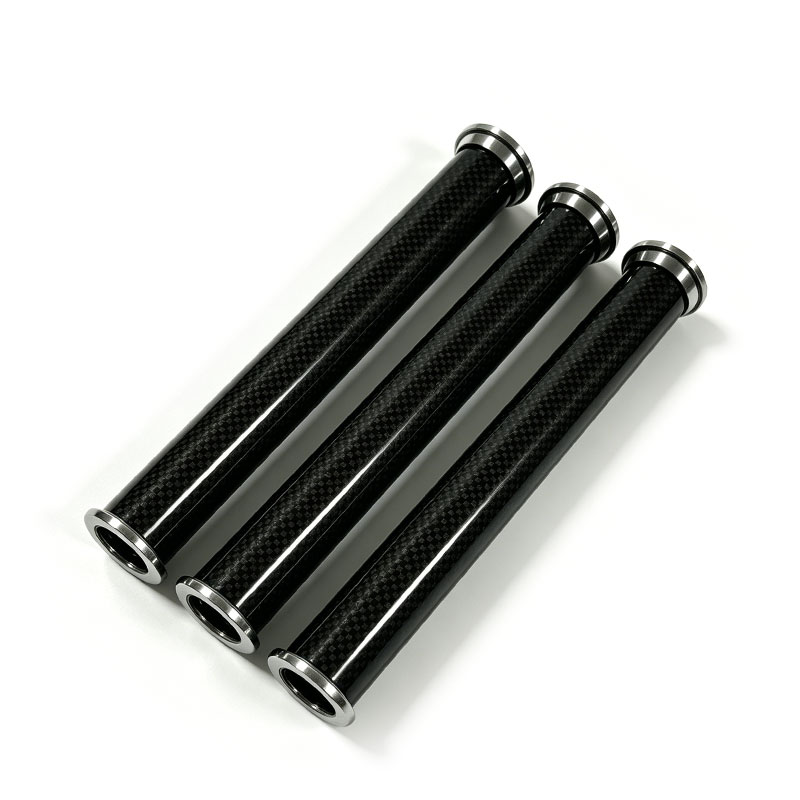
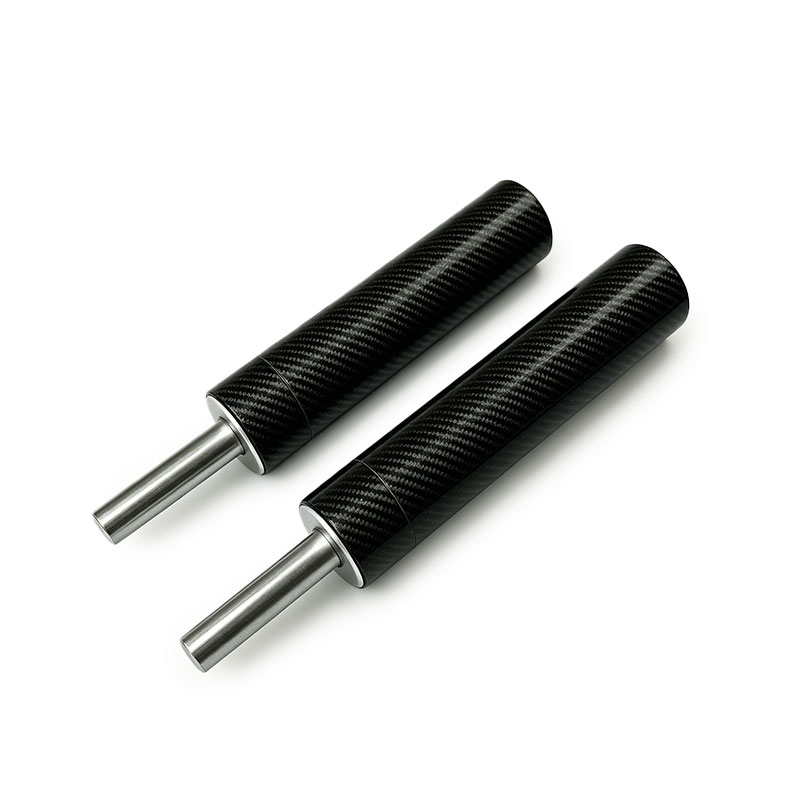
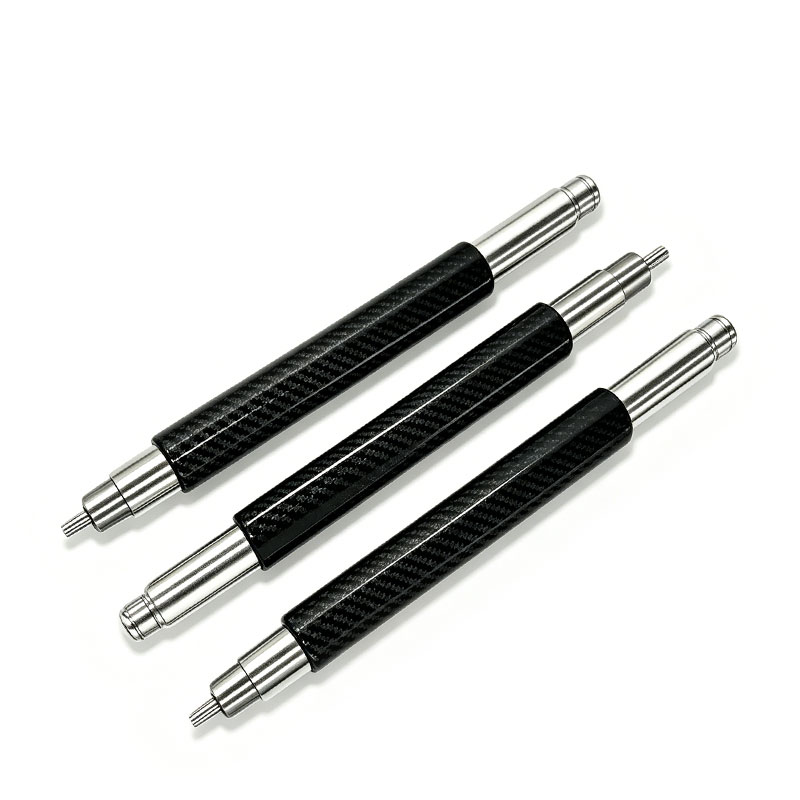
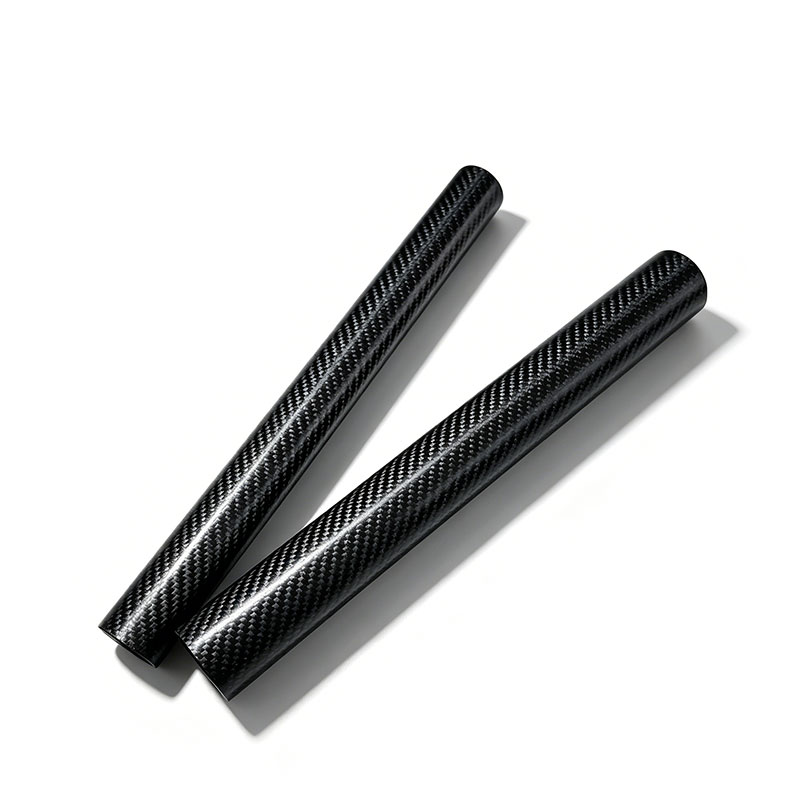
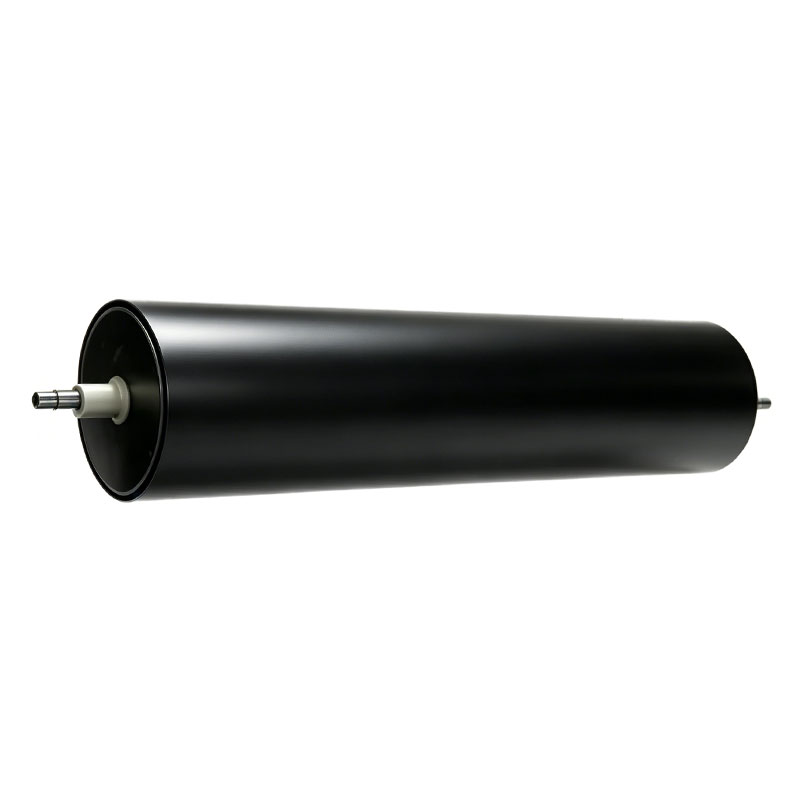
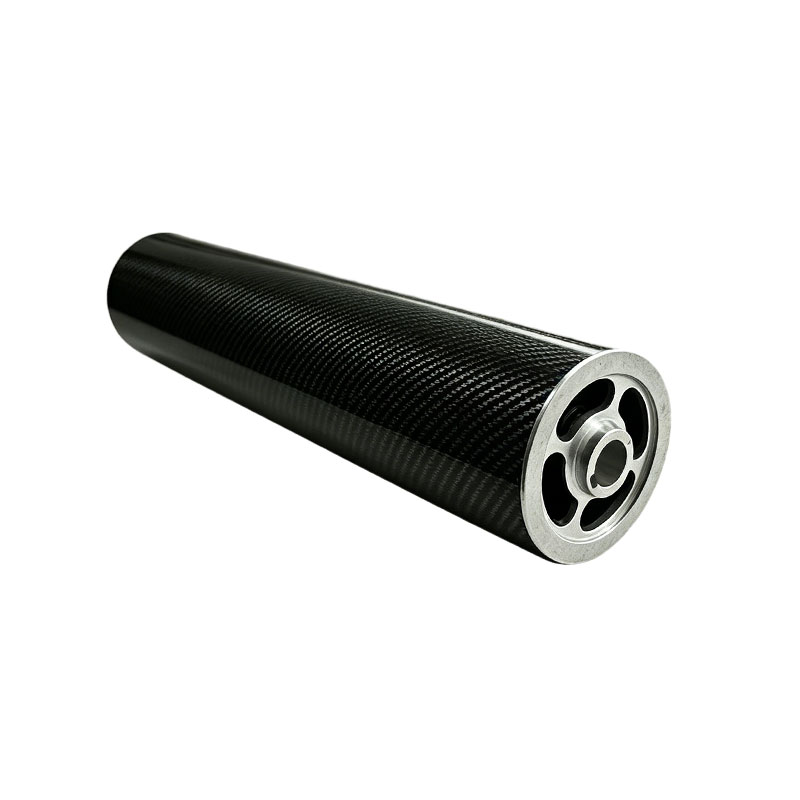
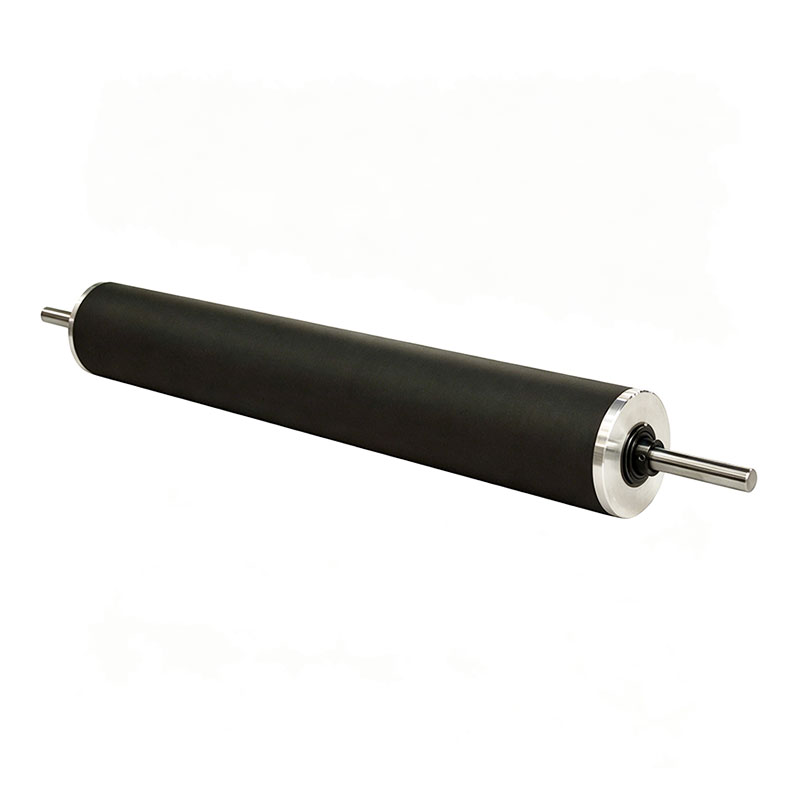
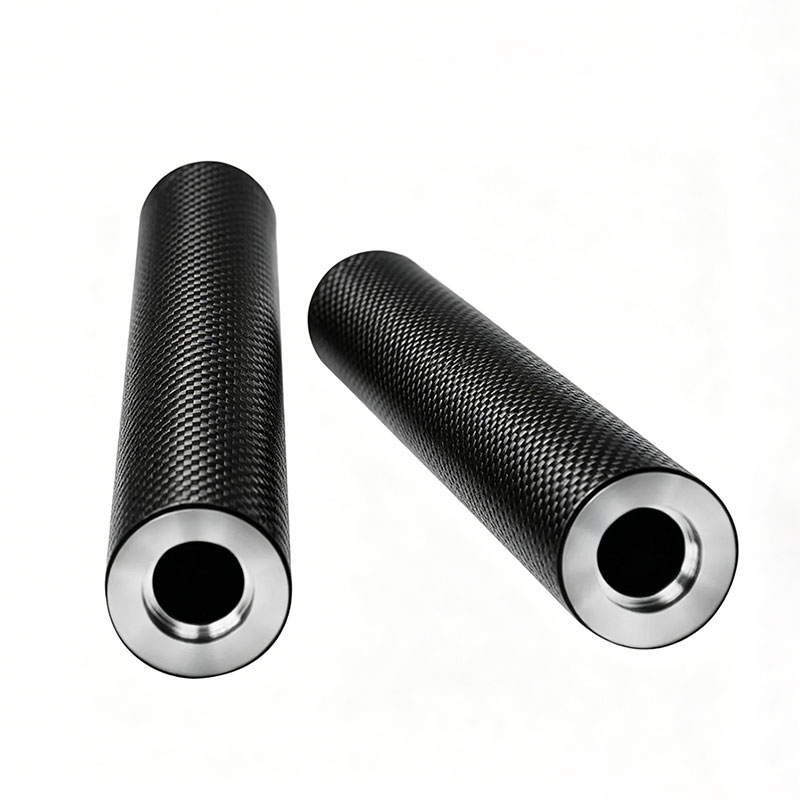
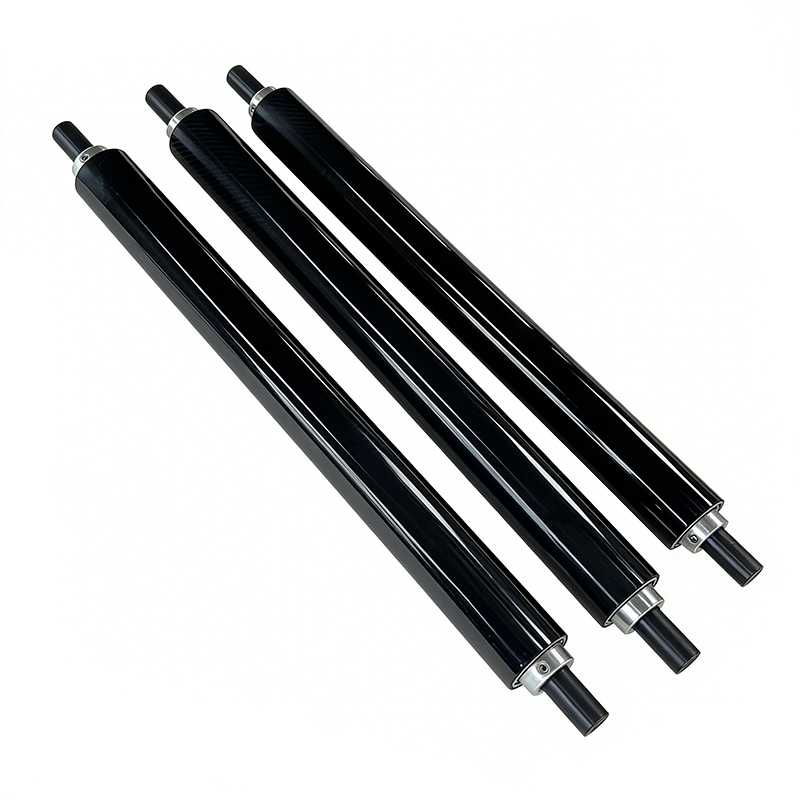
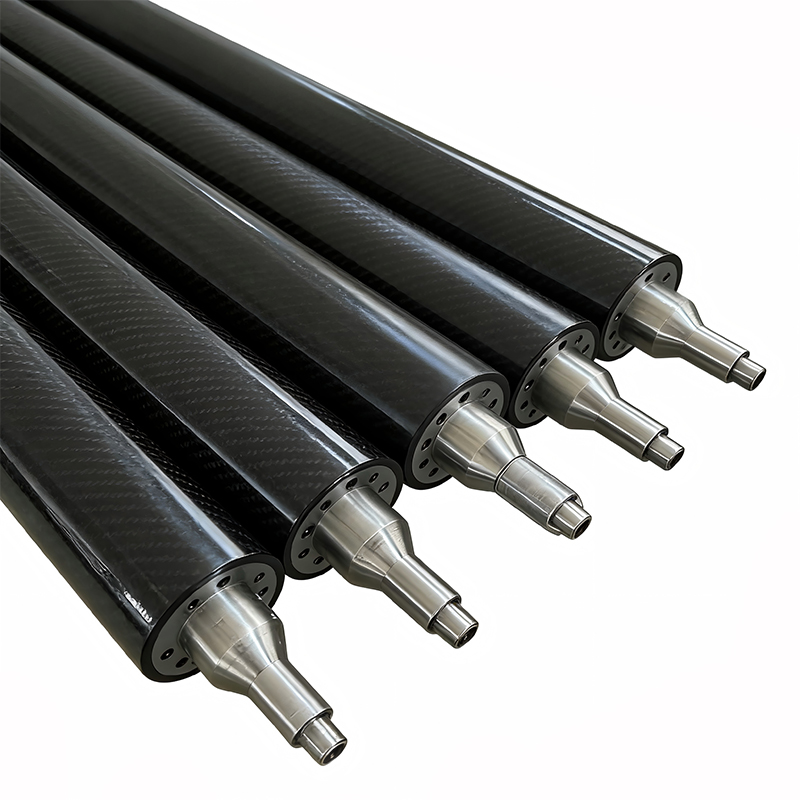
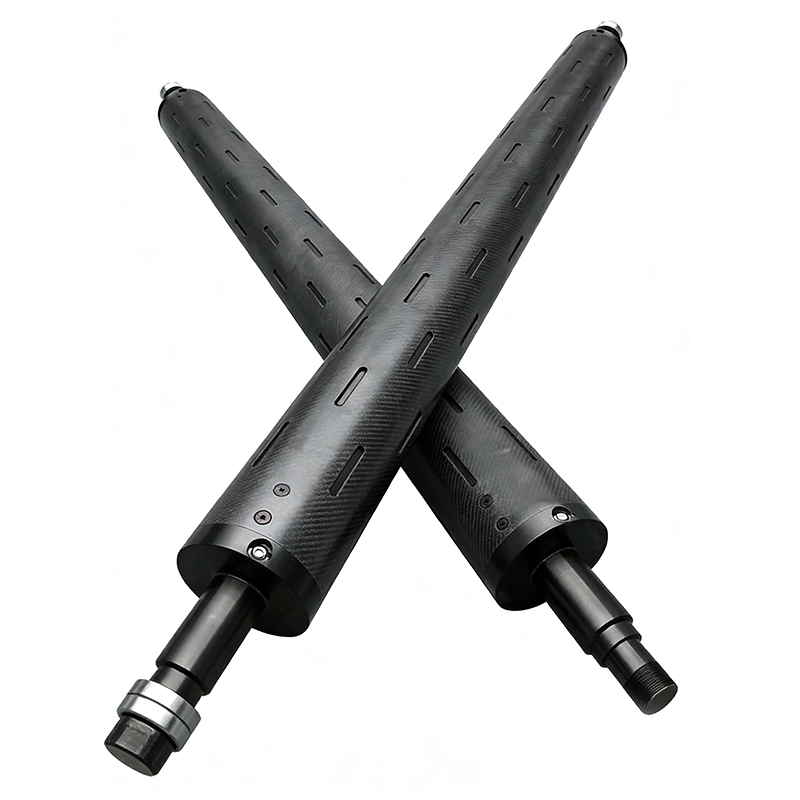
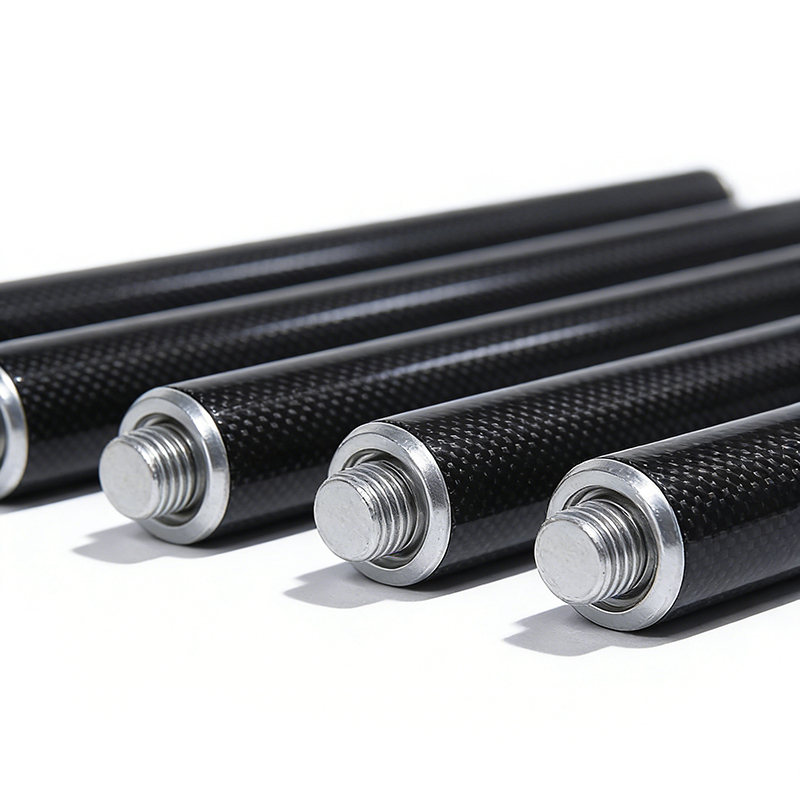
AstraRoll Carbon Fiber Roller is engineered with exceptional strength and stiffness, boasting tensile strength far exceeding traditional metal rollers to deliver outstanding load-bearing capacity for high‑demand industrial applications. Featuring an ultra‑low density, this lightweight roller significantly reduces equipment weight and operational inertia, enhancing overall system efficiency while minimizing vibration and noise during high‑speed running—ideal for precision machinery and high‑performance production lines. It offers excellent corrosion resistance, remaining unaffected by chemical exposure and eliminating rust or degradation issues common with metal alternatives. Energy‑efficient and environmentally friendly, its low‑mass design cuts power consumption during operation, while customizable sizing and specifications ensure seamless adaptation to diverse industries including aerospace, high‑speed printing, electronic manufacturing, and advanced material processing.
Carbon Fiber Roller FAQs
Yes, carbon fiber rollers can be used in high-temperature applications, but the maximum temperature depends on the resin system. Standard epoxy resin carbon fiber rollers can withstand temperatures up to 120°C, suitable for most drying and coating lines. For higher temperatures (up to 250°C), we use phenolic or polyimide resin systems, paired with high-temperature surface coatings (ceramic) to maintain rigidity and stability. We can customize the resin system based on your specific operating temperature range to avoid deformation or delamination.
We implement a three-step precision control process to minimize runout: first, we use computer-controlled winding to ensure uniform wall thickness and fiber distribution; second, we perform CNC machining of the roller surface and end components to achieve tight dimensional tolerances (±0.03mm); third, all rollers undergo strict dynamic balancing (G2.5 grade) and radial runout testing, with runout controlled within 0.02mm. This ensures stable high-speed rotation (up to 10m/s) with minimal vibration, preventing web wrinkling or damage.
Yes, carbon fiber is naturally resistant to most harsh chemicals, including acids, alkalis, solvents, and plating solutions—unlike steel, which rusts, or aluminum, which corrodes. This makes carbon fiber rollers ideal for plating, dyeing, wet processing, and chemical handling lines. We also offer optional chemical-resistant surface coatings (PTFE) for extreme chemical environments, further enhancing durability and preventing material adhesion.
Yes, we produce carbon fiber rollers for wide-web applications (up to 3 meters in length) using high-modulus carbon fiber and reinforced wall thickness. High-modulus carbon fiber provides superior rigidity, minimizing deflection even under high web tension. For extra-long spans (over 2.5 meters), we can add internal reinforcement structures to further reduce bending, ensuring consistent web tracking and preventing product defects. Unlike steel rollers, which become heavy and prone to deflection at long lengths, carbon fiber rollers maintain light weight and rigidity.
Yes, carbon fiber rollers are compatible with all common conveyor belt types. We can tailor the surface treatment to match your belt material: for rubber belts, we offer smooth or slightly textured surfaces for optimal grip; for PVC/PU belts, we use non-stick or anti-static coatings to prevent adhesion and static buildup; for delicate belts (e.g., textile, film), we use polished surfaces to avoid abrasion. The light weight of carbon fiber rollers also reduces belt wear, extending the service life of your conveyor belt.
What you may want to know about Carbon Fiber Roller
AstraRoll Carbon Fiber Rollers are engineered for high-speed, precision-critical web handling and conveying applications where traditional metal rollers fall short. Combining ultra-light weight, exceptional rigidity, dimensional stability, and chemical resistance, these rollers deliver consistent performance in advanced production lines such as lithium battery manufacturing, high-speed printing, film and foil processing, textiles, and electronic material handling. Unlike steel or aluminum rollers, carbon fiber rollers reduce energy consumption, minimize equipment wear, and improve product quality by eliminating issues caused by deflection, vibration, or corrosion. At AstraRoll, we integrate advanced composite technology with precision manufacturing to ensure every roller meets strict performance standards and integrates seamlessly into your system.
Carbon Fiber Material: The Core of Superior Performance
Carbon fiber composite provides a unique combination of properties unmatched by conventional roller materials, with an outstanding stiffness-to-weight ratio that keeps rollers light yet extremely rigid. Our carbon fiber rollers are up to 60% lighter than steel and 30% lighter than aluminum, while maintaining excellent structural stability under high tension. The material also offers natural resistance to moisture, acids, alkalis, and solvents, preventing rust or degradation in harsh environments. Its low thermal expansion rate ensures consistent dimensions across fluctuating temperatures, avoiding misalignment or web distortion. We use premium prepreg carbon fiber in standard and high-modulus grades, allowing us to match material performance to the specific speed, tension, and span requirements of your application.
Precision Manufacturing Process: Ensuring Consistency & Reliability
Our carbon fiber rollers are produced using fully controlled, precision-oriented manufacturing processes to guarantee stability and longevity. The carbon fiber prepreg is wound under computer control to ensure uniform fiber distribution and consistent wall thickness, then cured under precise temperature and pressure to form a dense, defect-free composite structure. After curing, the roller body and end components undergo CNC machining to achieve tight dimensional tolerances and a smooth, even surface. Every roller is then dynamically balanced and tested for radial runout to minimize vibration during high-speed operation. This end-to-end precision ensures stable rotation, consistent web tracking, and long-term performance without wobble, noise, or premature wear.
Industry-Specific Adaptability: Tailored to Unique Application Needs
Carbon fiber rollers are highly adaptable to the specialized demands of modern industries, with performance characteristics that directly address key production challenges. In lithium battery lines, they provide high precision and anti-static properties to support uniform electrode coating and safe winding. For high-speed printing and packaging, low inertia and low vibration improve tension stability and prevent web wrinkling, allowing higher line speeds without quality loss. In film and foil processing, smooth surface finishes and non-stick coating options avoid adhesion and damage to delicate materials. In textile and wet processing applications, their chemical and corrosion resistance ensures reliable performance in humid or chemical-rich environments. For electronic material handling, conductive or anti-static configurations protect sensitive components from static damage.
Customization Capabilities: Perfect Fit for Your Equipment
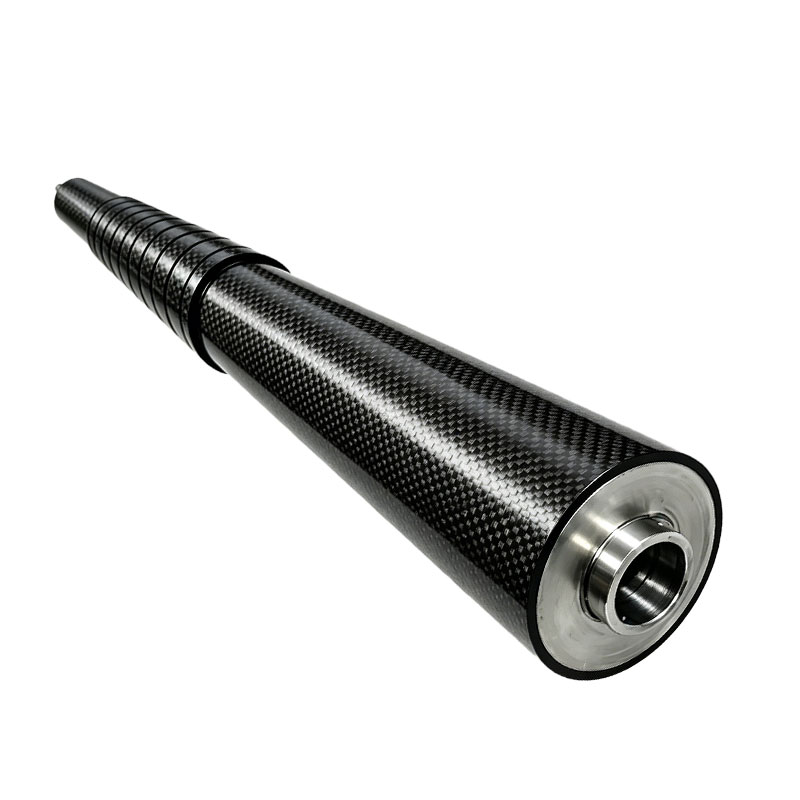
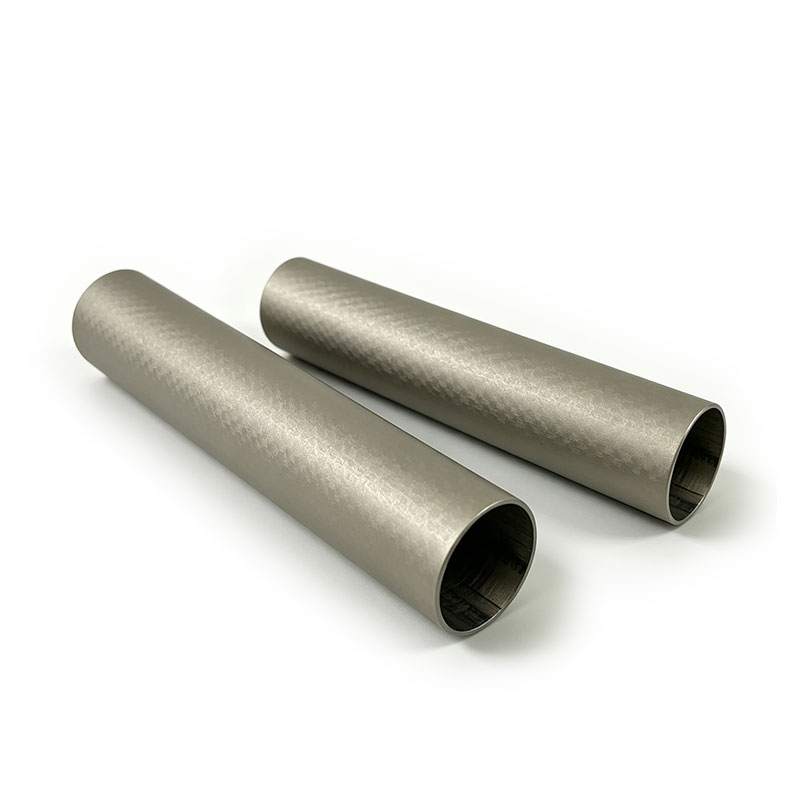
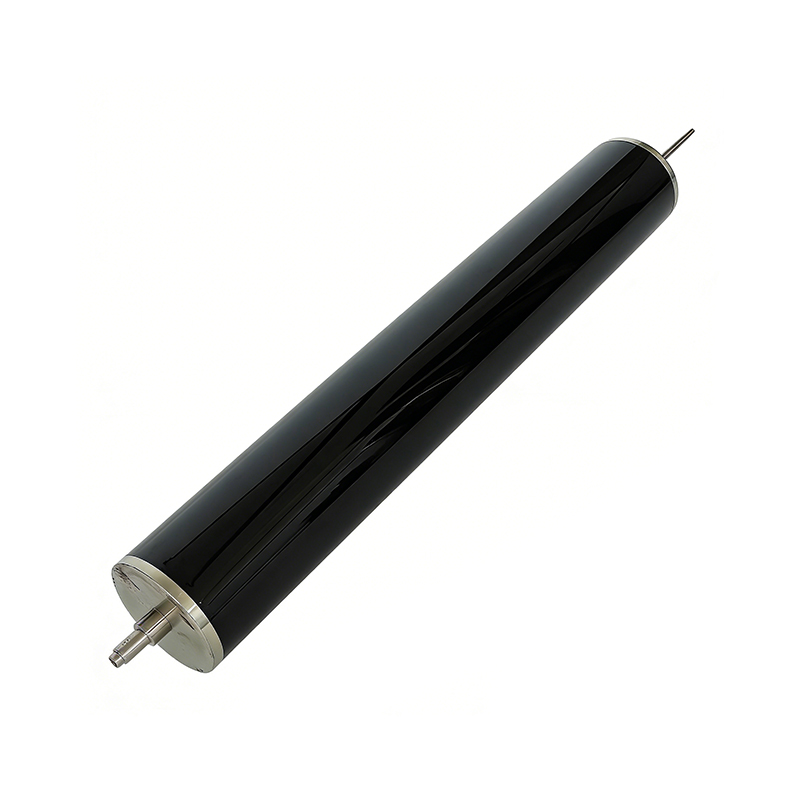
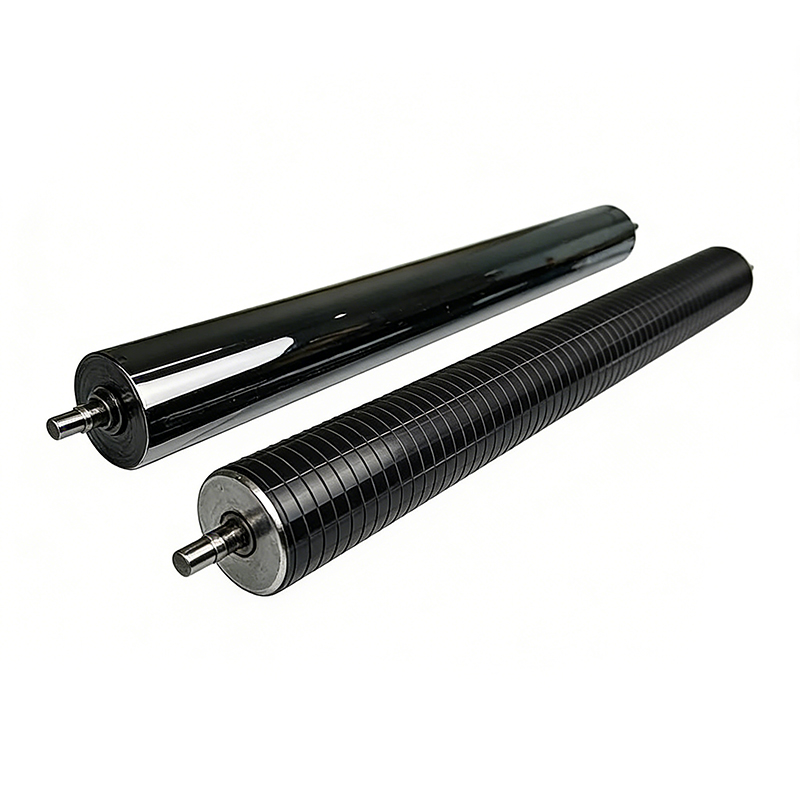
We provide full customization to ensure our carbon fiber rollers match your existing equipment and operating conditions without modification. We can adjust roller diameter, effective length, and wall thickness to fit your conveyor structure and web width. Shaft ends can be machined with keyways, threads, conical profiles, spring-loaded designs, or custom mounting styles to align with your brackets, bearings, and drive systems. A full range of surface treatments is available, including hard chrome, ceramic, anti-static, conductive, non-stick, and polyurethane coverings, each selected to improve wear resistance, grip, heat performance, or cleanliness. We also offer different resin systems for standard or high-temperature environments, allowing tailored performance for drying, curing, or high-heat conveying lines.
Performance vs. Traditional Rollers: Clear Advantages
Compared to steel, aluminum, and rubber rollers, carbon fiber rollers deliver distinct and measurable performance improvements. They are significantly lighter than steel with far lower inertia, enabling faster acceleration, more precise tension control, and reduced motor load and energy use. Unlike aluminum, carbon fiber offers much higher rigidity and minimal deflection, maintaining straightness even under high tension or long spans. Carbon fiber also resists corrosion and chemicals, avoiding the rust and degradation common to steel in humid or harsh environments. When compared to rubber rollers, carbon fiber provides superior dimensional stability, no deformation at high speeds, and better resistance to chemicals and abrasion, making it far more suitable for precision web handling.
Quality Control & Warranty: Peace of Mind
Quality is embedded throughout our production process, starting with strict inspection of incoming carbon fiber materials to verify strength, stiffness, and consistency. During winding, curing, and machining, we monitor key parameters to avoid internal defects and ensure dimensional accuracy. Every finished roller undergoes dynamic balance testing, runout measurement, load verification, and surface condition checks before shipment. Our products comply with international industrial standards, and we provide full test documentation upon request. Backed by a 1-year warranty against manufacturing defects, AstraRoll carbon fiber rollers offer reliable performance and reduced risk of unplanned downtime.
Maintenance & Service: Low-Cost, Long-Lasting Performance
Carbon fiber rollers require minimal maintenance compared to metal rollers, thanks to their natural corrosion resistance and durable composite structure. They do not need painting, rust prevention, or frequent re-lubrication, and routine care only involves gentle surface cleaning and periodic visual inspection. The sealed, pre-lubricated bearings support long service intervals with little attention. Our service team provides technical support, installation guidance, and repair options for minor surface damage, helping extend the roller’s operational life. With proper use, our carbon fiber rollers maintain consistent performance for years, lowering total maintenance cost and improving overall line efficiency.
Why Choose AstraRoll Carbon Fiber Rollers?
AstraRoll is your trusted partner for high-performance carbon fiber roller solutions, bringing years of composite engineering experience to solve complex precision and speed challenges. We deliver an unbeatable balance of lightweight performance, structural rigidity, and long-term durability, with fully customized solutions to fit your unique needs. Our efficient production processes ensure quick lead times, our strict quality control guarantees reliability, and our responsive after-sales support minimizes downtime—helping you maximize production efficiency and reduce operational costs.