Sintered Iron wheel Factory
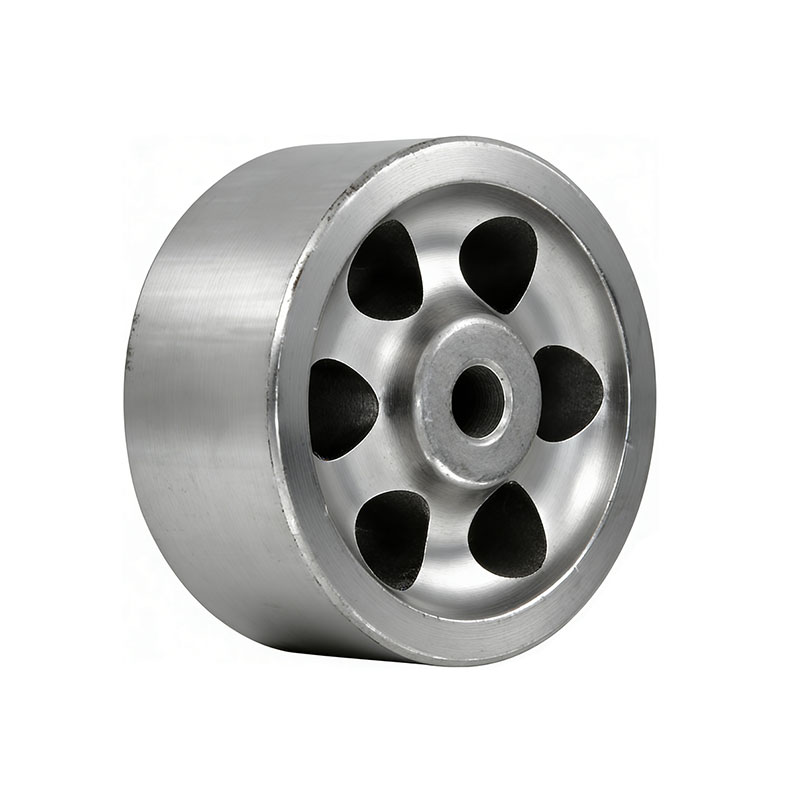
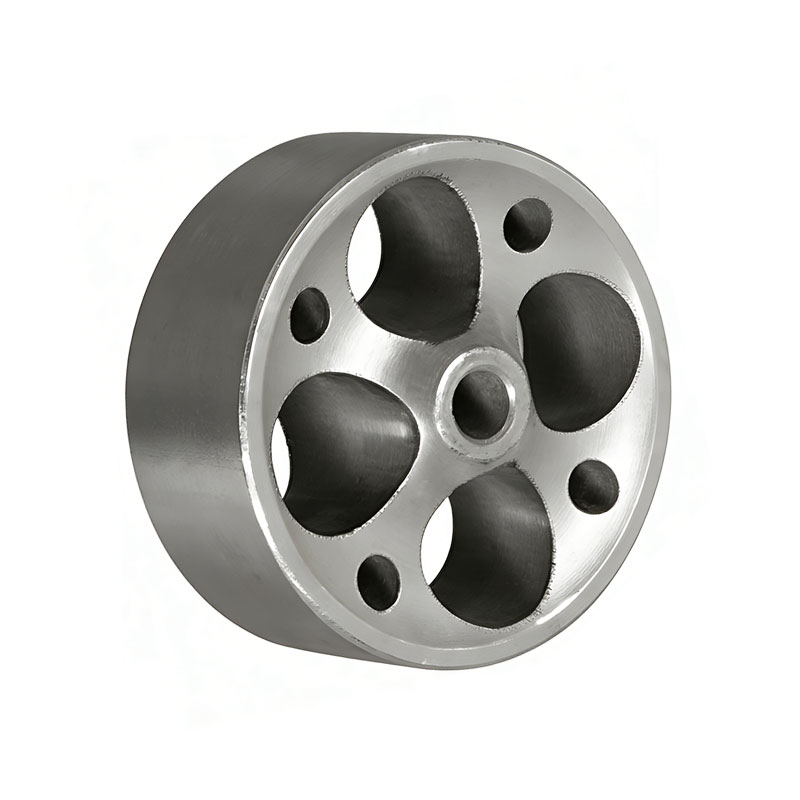
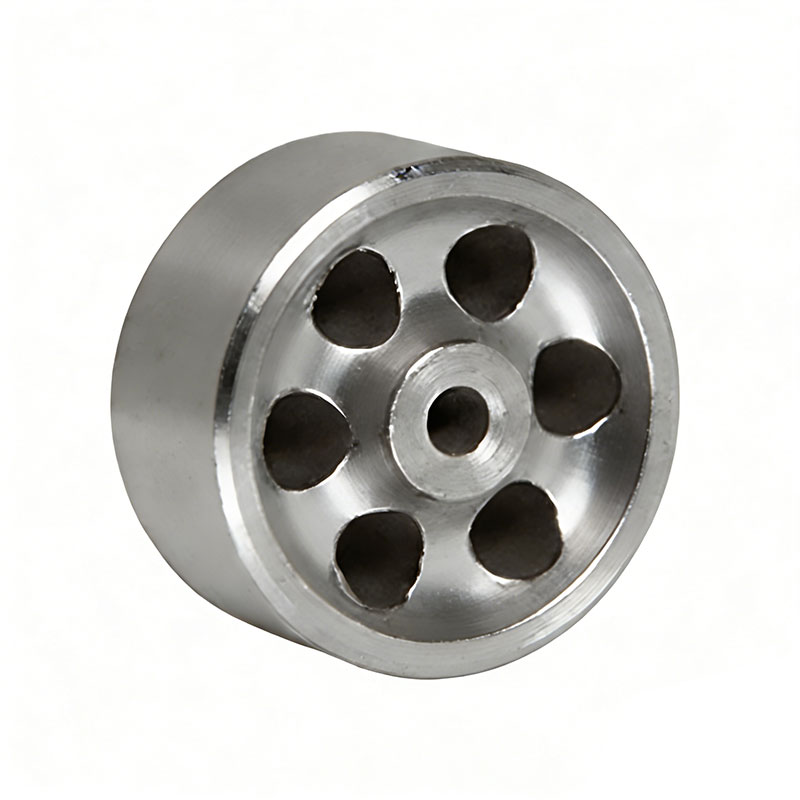
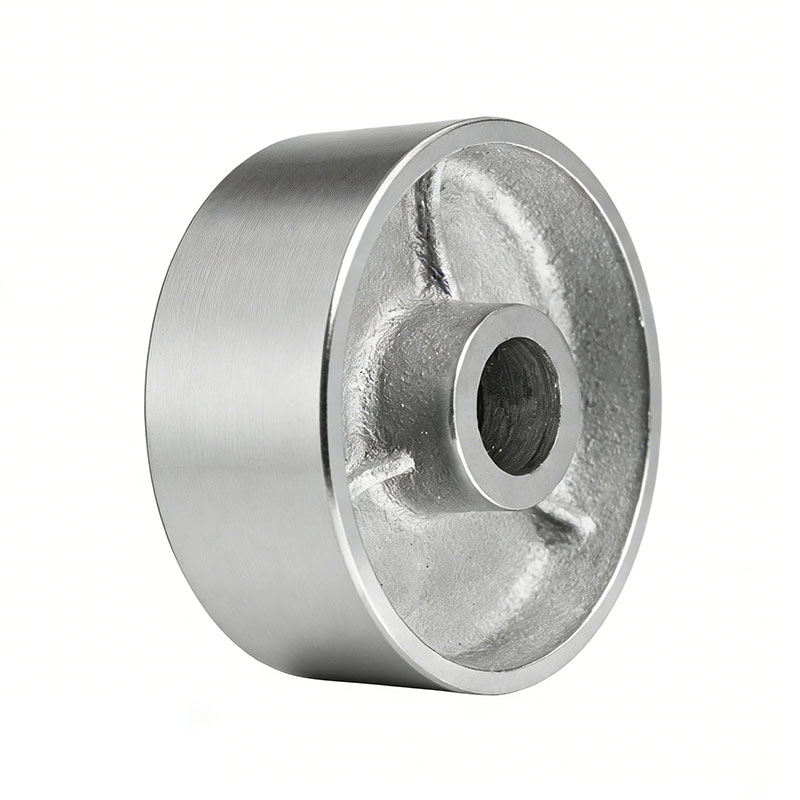
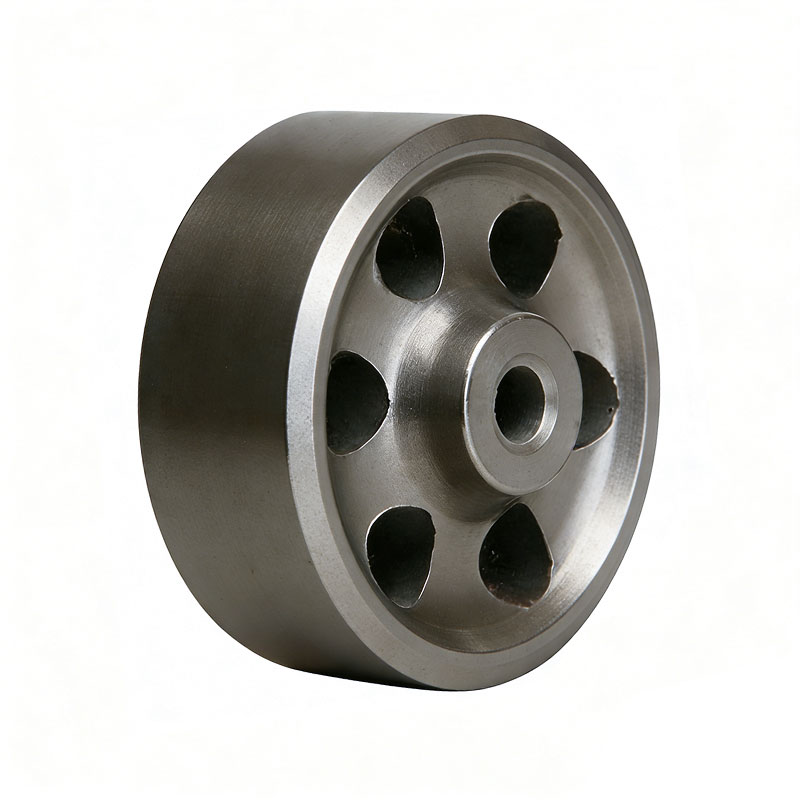
Product Overview:
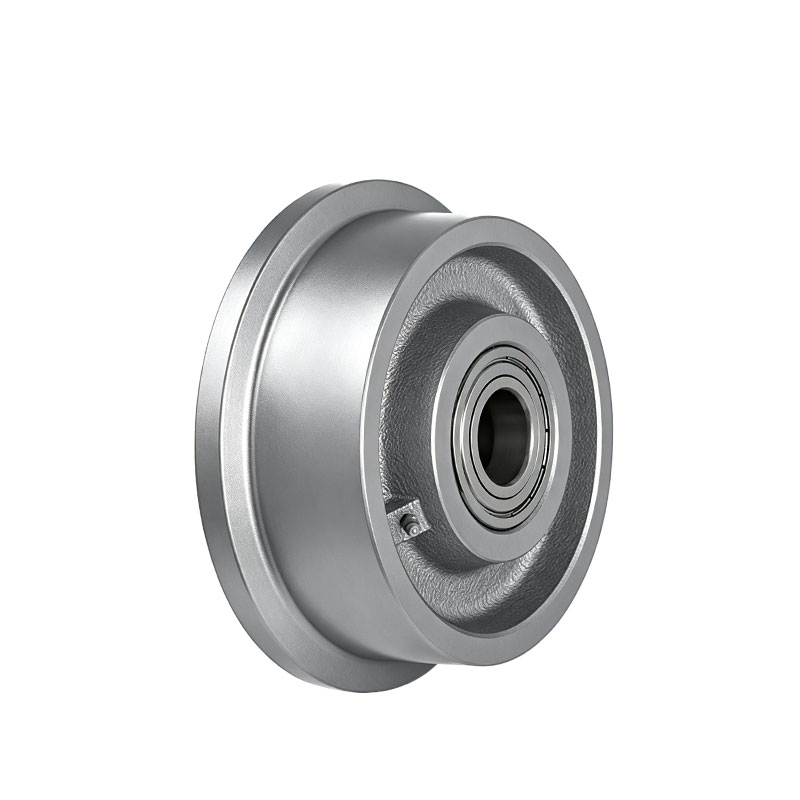
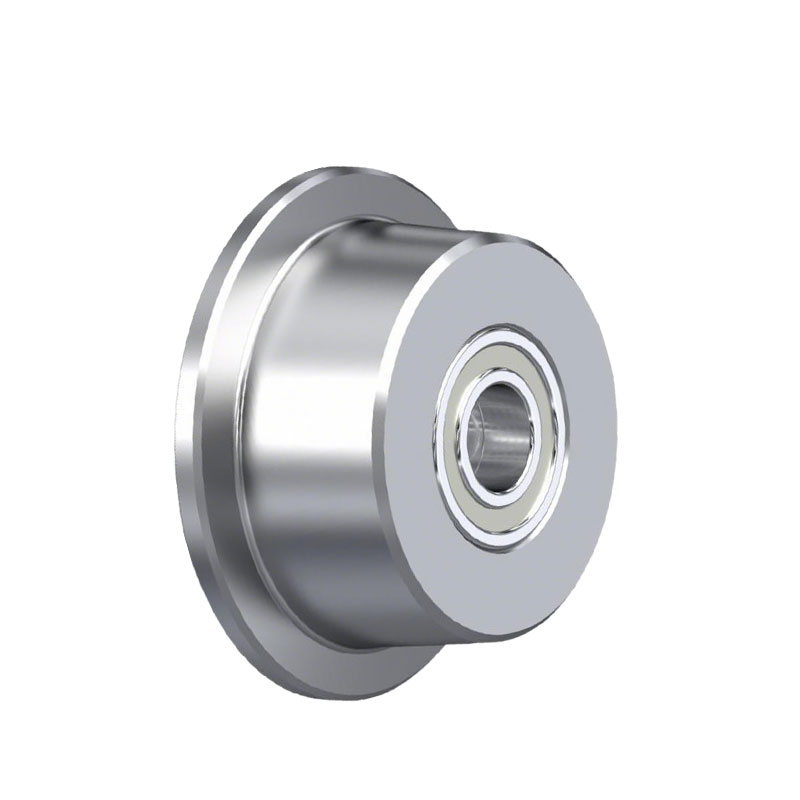
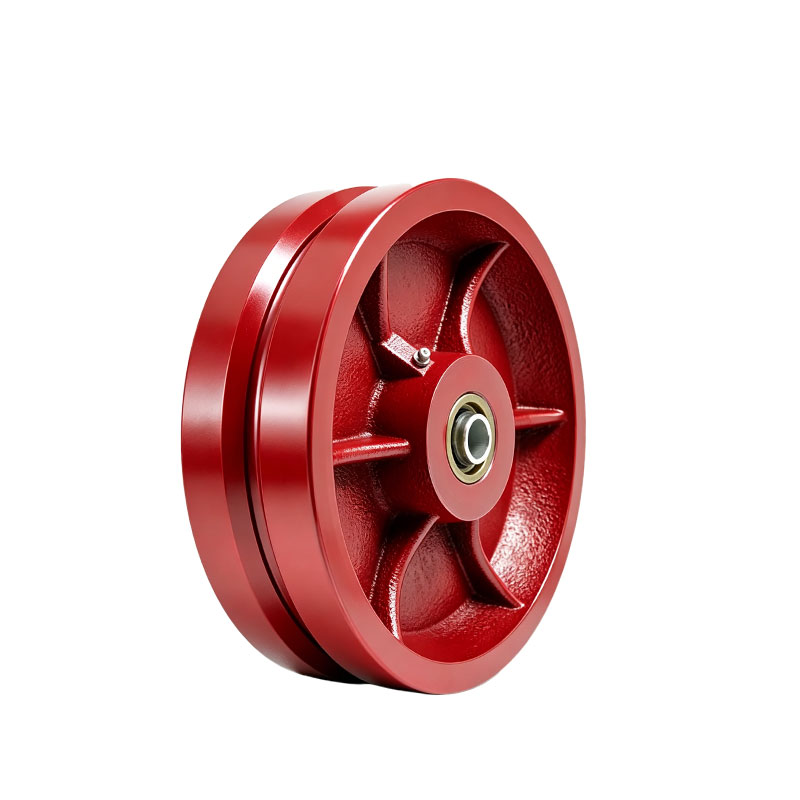
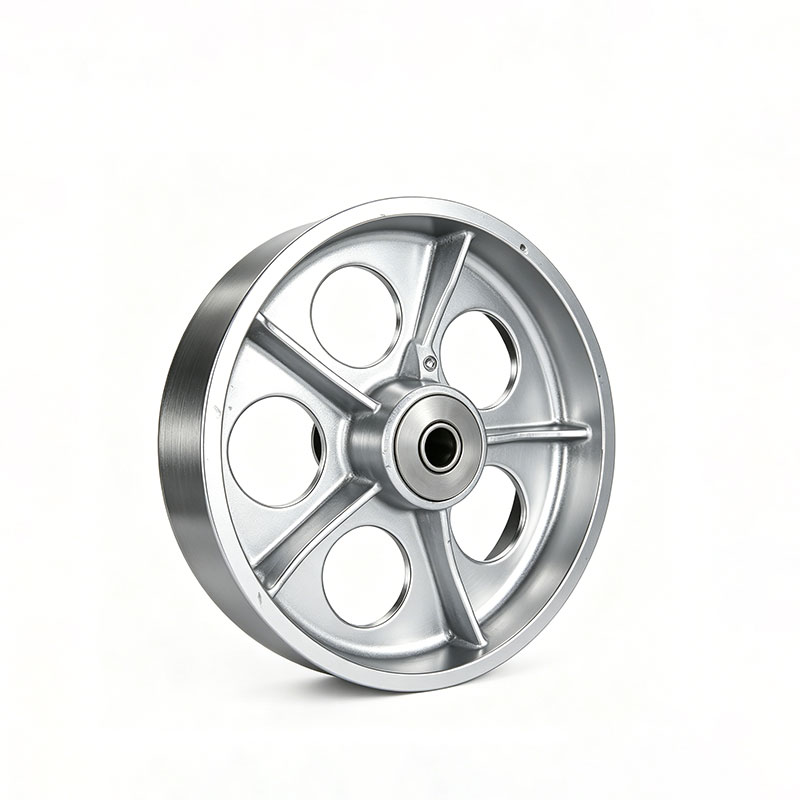
The AstraRoll Sintered Iron Wheel is a highly efficient engineering component designed for high-volume automated environments in the Logistics Conveyor Systems and Automotive sectors. Manufactured using advanced powder metallurgy, fine iron powder is compacted and sintered to create a precision wheel with a naturally porous structure. This porosity allows the wheel to be vacuum-impregnated with lubricating oil, resulting in a completely self-lubricating interface that eliminates the need for manual greasing in the Electronics and Packaging industries. Offering exceptional dimensional accuracy without the need for expensive CNC machining, AstraRoll sintered iron wheels provide a highly cost-effective, maintenance-free solution for sliding gates, track systems, and continuous-duty conveyor lines.
Inquiry Email: sales@astraroll.com
Sintered Iron wheel Factory Details
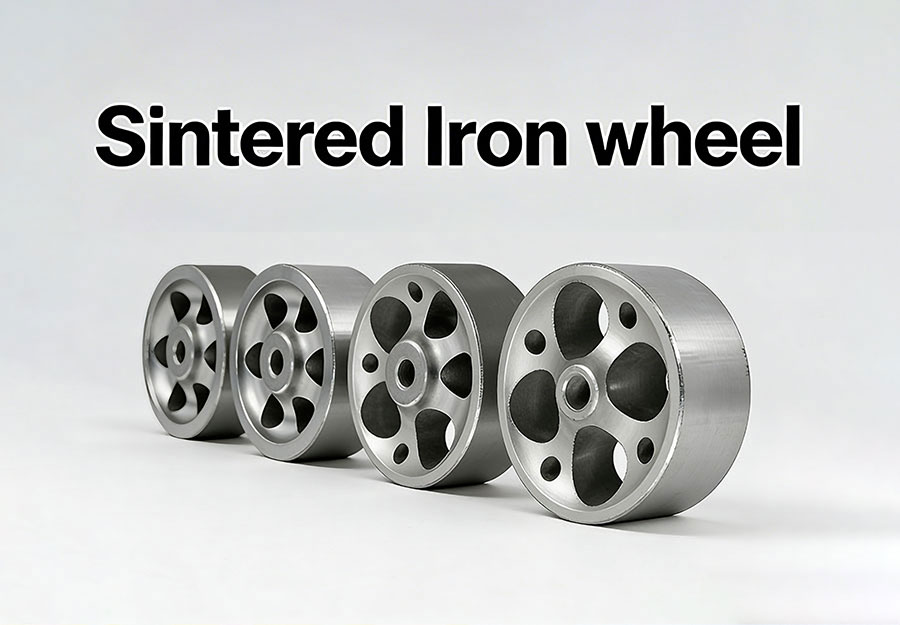
Product Features & Engineering Specs
Self-Lubricating Technology: The porous nature of sintered metal (typically 15% to 25% porosity) acts as an internal reservoir. As the wheel spins and generates slight friction heat, the oil is drawn to the surface, providing constant lubrication to the axle.
Cost-Effective for High Volumes: Because powder metallurgy molds parts to their "near net shape," it virtually eliminates the material waste and labor costs associated with CNC machining solid steel or cast iron.
High Dimensional Accuracy: The molding process ensures exceptional consistency across thousands of units, providing uniform performance and exact tolerances for automated assembly lines.
Acoustic Damping: The micro-porous structure of the sintered iron naturally absorbs high-frequency vibrations, resulting in quieter operation compared to solid cast or forged metal wheels.
Customizable Material Blends: We can alloy the iron powder with copper, nickel, or carbon before sintering to precisely tailor the wheel’s hardness, tensile strength, and wear resistance to your specific application.
Key Attributes & Tolerances
Material: High-Strength Sintered Iron Powder (PM Iron / Fe-Cu blends).
Oil Impregnation Volume: 15% - 20% (Customizable based on lifespan specs).
Dimensional Tolerance: ±0.02mm (Ensures perfect axle fitment).
Operating Temperature: -20°C to +100°C (Dependent on selected oil viscosity).
| Comparison Item | AstraRoll Sintered Iron Advantage |
| Vs. Machined Steel/Cast Iron | Zero Machining Costs: "Net shape" pressing slashes unit costs for large batch orders. No external grease required. |
| Vs. Nylon/Plastic Wheels | Superior Rigidity: Maintains extreme dimensional accuracy (±0.02mm) without the risk of thermal expansion or melting under friction. |
The AstraRoll Technical Advantage: How Self-Lubrication Works
To understand why precision engineers choose sintered iron, it's essential to look inside the material.
The Micro-Porous Structure & Capillary Action
Unlike solid cast iron, sintered metal features an interconnected network of microscopic pores.
During manufacturing, we utilize a vacuum impregnation process to force high-grade lubricating oil deep into this porous matrix.
In Operation: As the wheel rotates on its axle, the slight friction generates heat. This heat causes the trapped oil to expand and flow to the surface via capillary action, creating a continuous hydrodynamic film between the wheel and the shaft.
At Rest: When the equipment stops, and the wheel cools, capillary forces draw the oil back into the micro-pores, storing it safely until the next cycle.
Frequently Asked Questions (FAQ)
Q: Is a sintered iron wheel as strong as a solid forged steel wheel?
A: No. Because of the 15-20% porosity that allows for oil storage, sintered iron has lower impact strength than solid forged steel. It is specifically designed for steady, high-frequency rolling loads rather than environments with heavy shocks or drops.
Q: Do I ever need to re-lubricate these wheels?
A: In most light-to-medium duty conveyor and track applications, the factory vacuum-impregnated oil lasts for the entire operational lifetime of the wheel.
Q: What is the Minimum Order Quantity (MOQ) for this product?
A: Because the "Net Shape" cost advantage comes from utilizing custom compaction dies, powder metallurgy is designed for scale. We generally recommend this solution for high-volume production runs (thousands of units) to maximize your ROI.
Why Choose AstraRoll?
Precision Engineering Support
Bespoke PM Tooling: We design custom compaction dies to press complex shapes—including integrated gears, flanges, or D-bores—directly into the wheel, saving you the cost of secondary milling or broaching operations.
Application-Specific Impregnation: We help you select the exact viscosity and temperature rating of the lubricating oil based on the specific speeds and environmental conditions of your conveyor or track system.
Quality-Centric Manufacturing
Strict Density Control: We rigorously monitor the compaction pressure and sintering furnace temperatures to ensure a uniform density, preventing the brittle edges or weak spots commonly found in lower-quality PM parts.
Drawing Conversion: We specialize in analyzing your expensive machined steel components and converting them into cost-saving powdered metal designs without sacrificing necessary performance.
Q1. Are you a trader or direct factory?
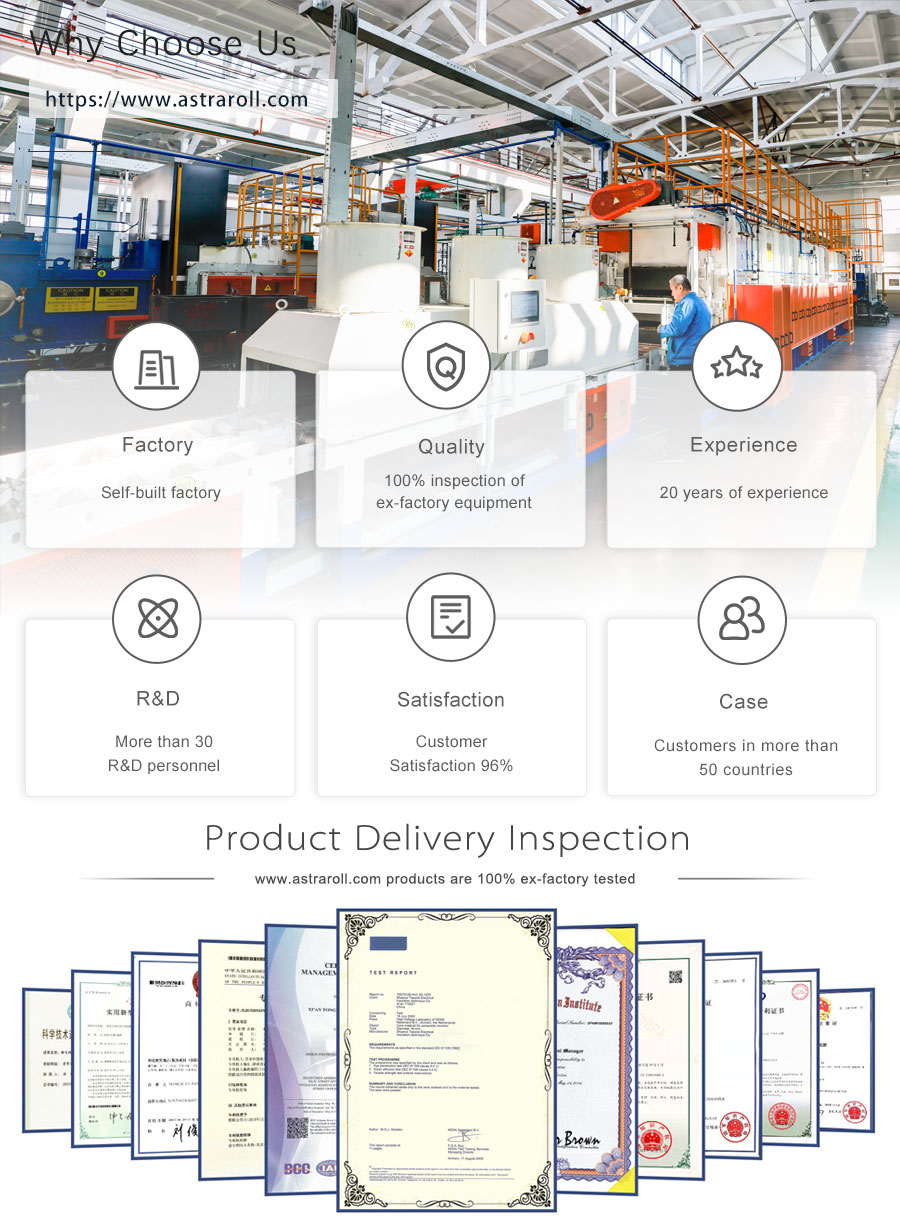
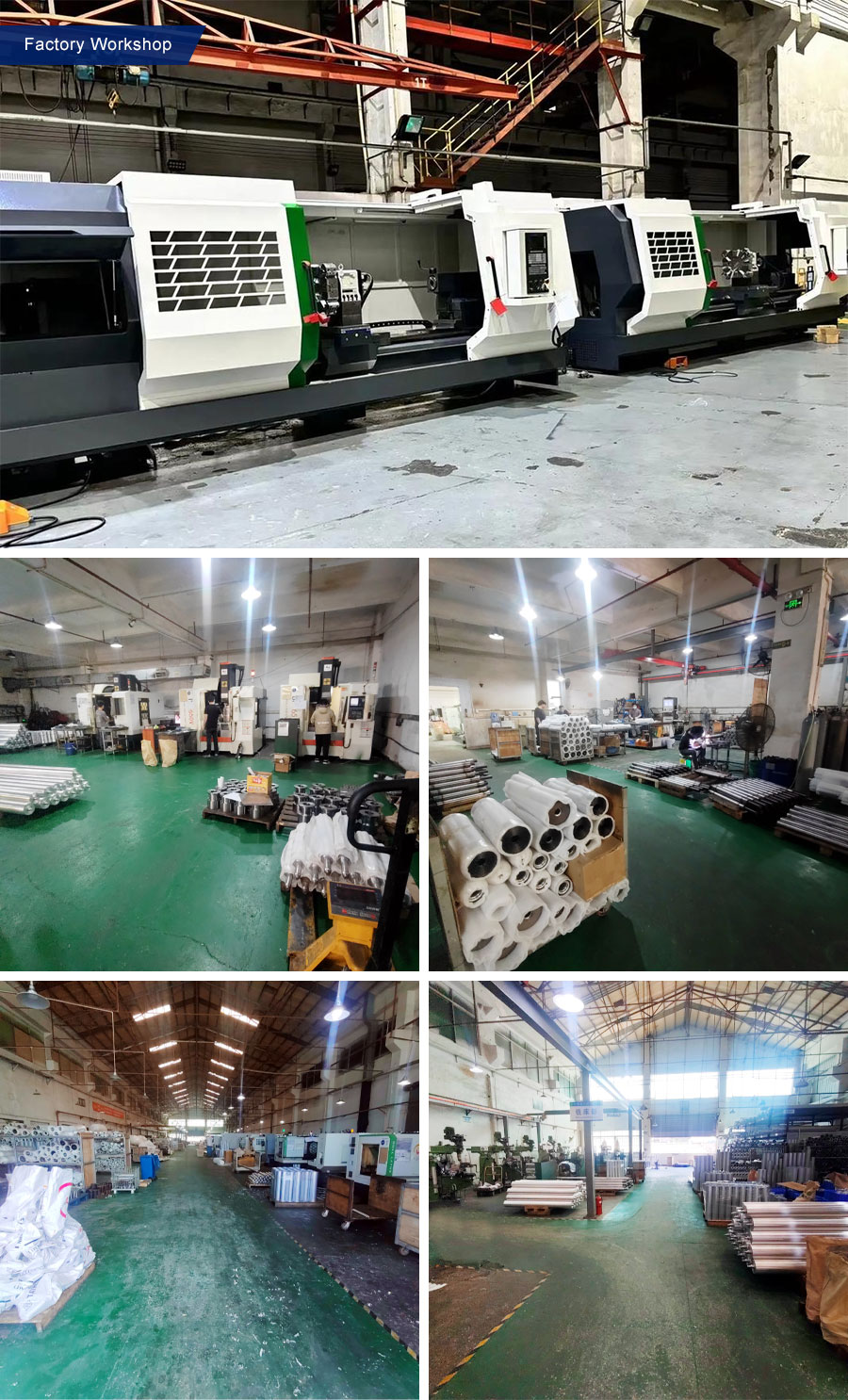
We are a direct manufacturing factory with over 20 years of expertise in high-end industrial rollers, casters and material handling solutions. Our facility operates with ISO-certified quality management systems, allowing us to maintain full control over production cycles and quality standards. Throughout two decades of growth, we have established deep, long-term strategic partnerships with several listed companies and global automation leaders, proving our reliability as a high-tier industrial supplier.
Q2. What are your main products?
AstraRoll specializes in the engineering and production of three core product lines: Industrial Rollers, Heavy-Duty Wheels, and Precision Casters. We do not just sell components; we provide integrated movement and transport solutions. Our products are widely utilized across high-demand sectors, including: New Energy, Lithium Battery, Mining, Heavy Industry, Medical Institutional, Agriculture and Logistics.
Q3. What about delivery time?
We deeply understand that project timelines are critical.
Standard Products: Usually dispatched within 7–15 working days if the components are in stock.
Customized/OEM Orders: Depending on the complexity and volume, the lead time typically ranges from 20–35 days. This includes time for technical drawing confirmation, specialized tooling, and rigorous pre-shipment testing.
Shipping Methods: We offer flexible global logistics solutions, including FOB and CIF terms. We ship via Sea Freight (for bulk industrial orders), Air Freight (for urgent project needs), and International Express (DHL/FedEx/TNT) for smaller components or samples.
Q4. How can I get a quote for customized products?
Since a significant portion of our business involves specialized engineering, pricing is tailored to your specific technical requirements. To provide an accurate quote, please provide the following details: Technical Drawings or Sketches, Application Environment, Quantity, Special Requests. Our engineering team typically reviews and responds to custom inquiries with a formal quotation within 24–48 hours.
Q5. What is your payment?
TT / Paypal / Western Union / LC / Credit Card etc. are all available to us.