Precision Low-Inertia Carbon Fiber Roller Tubes Manufacturer
Product Overview:
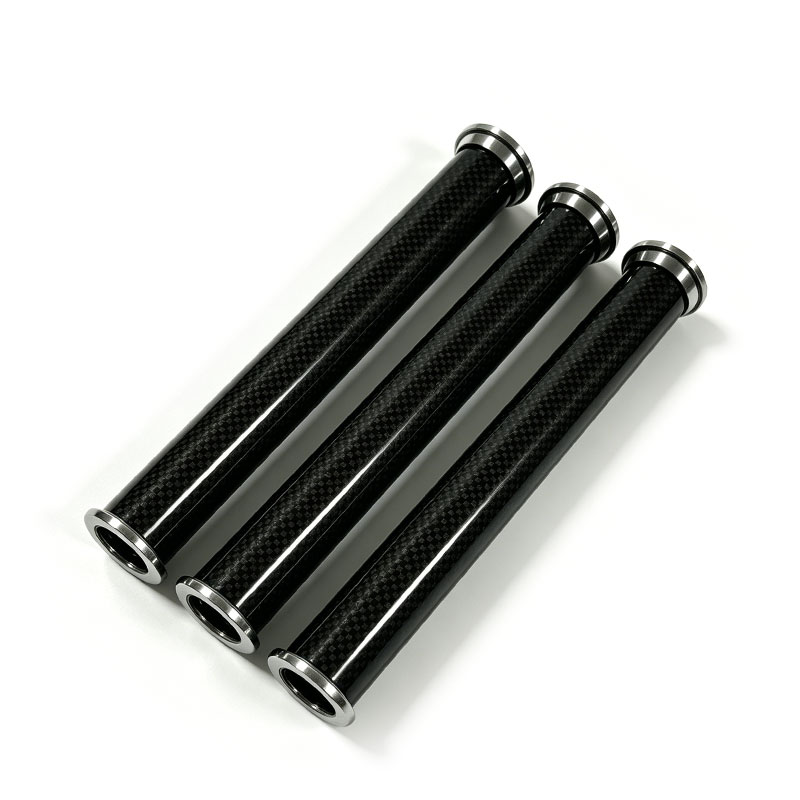
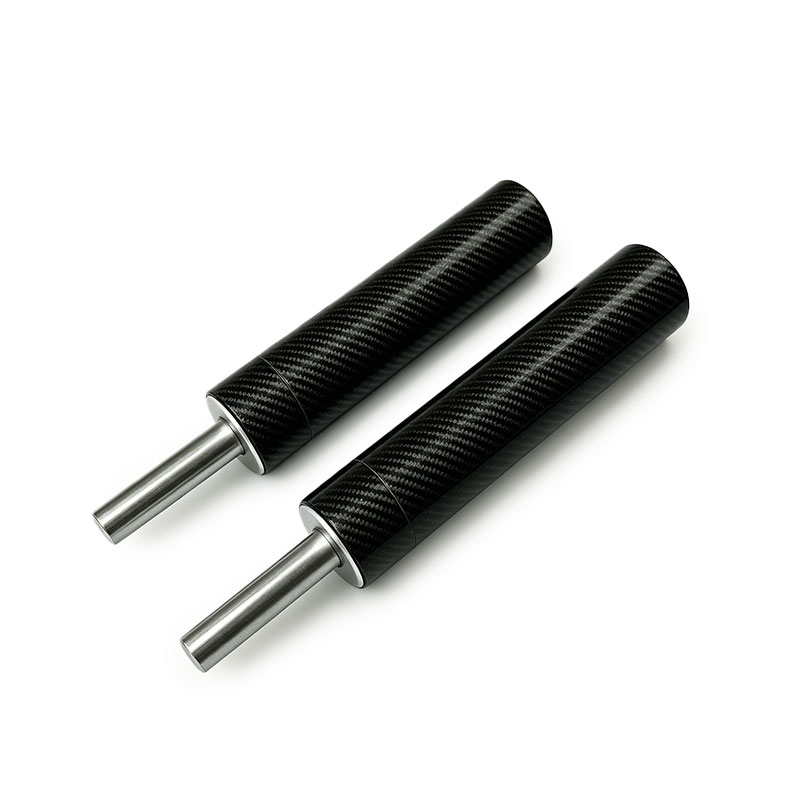
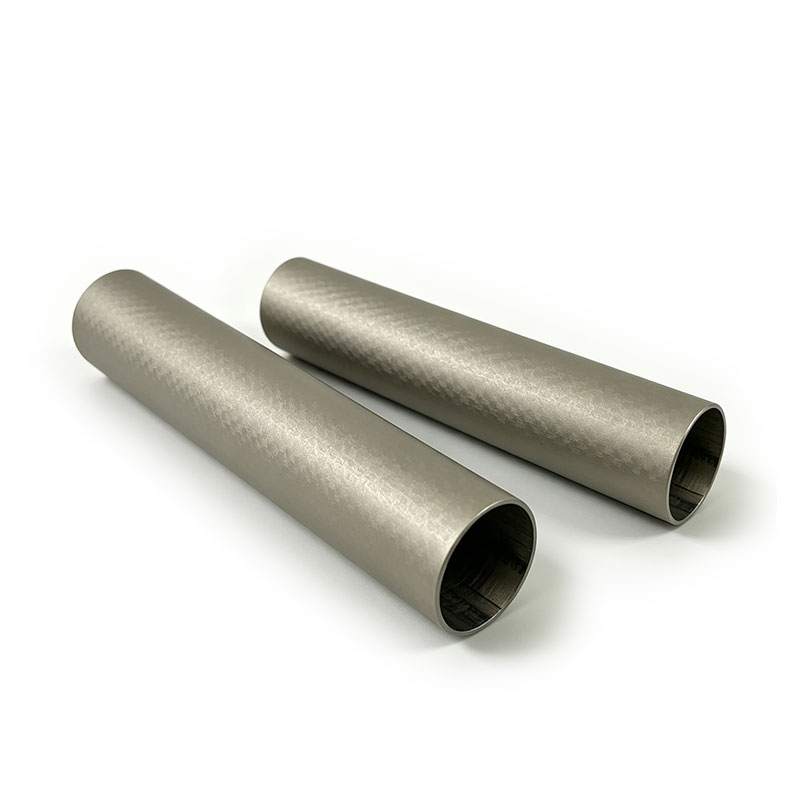
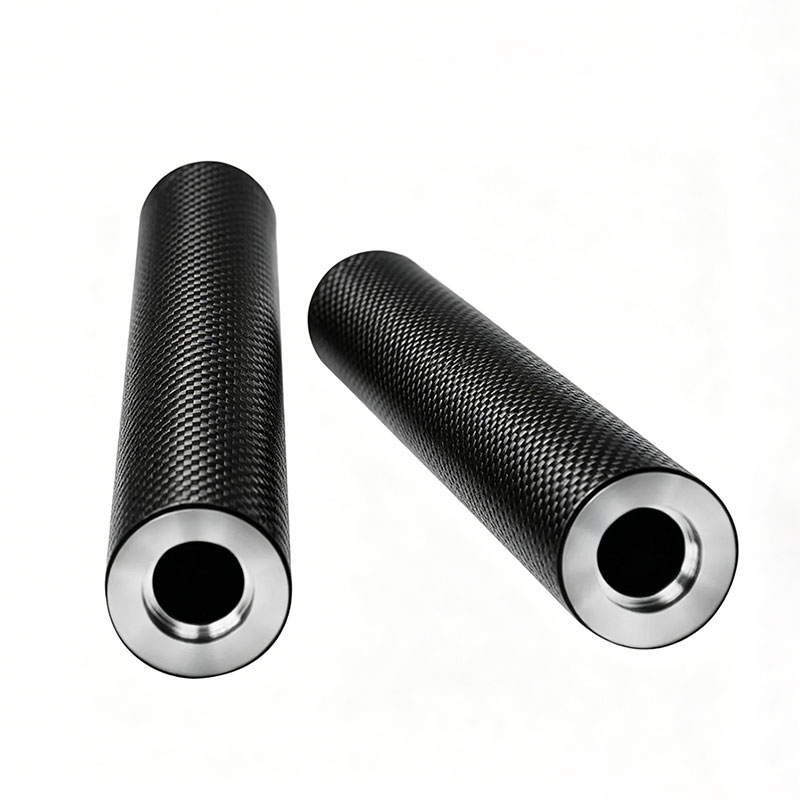
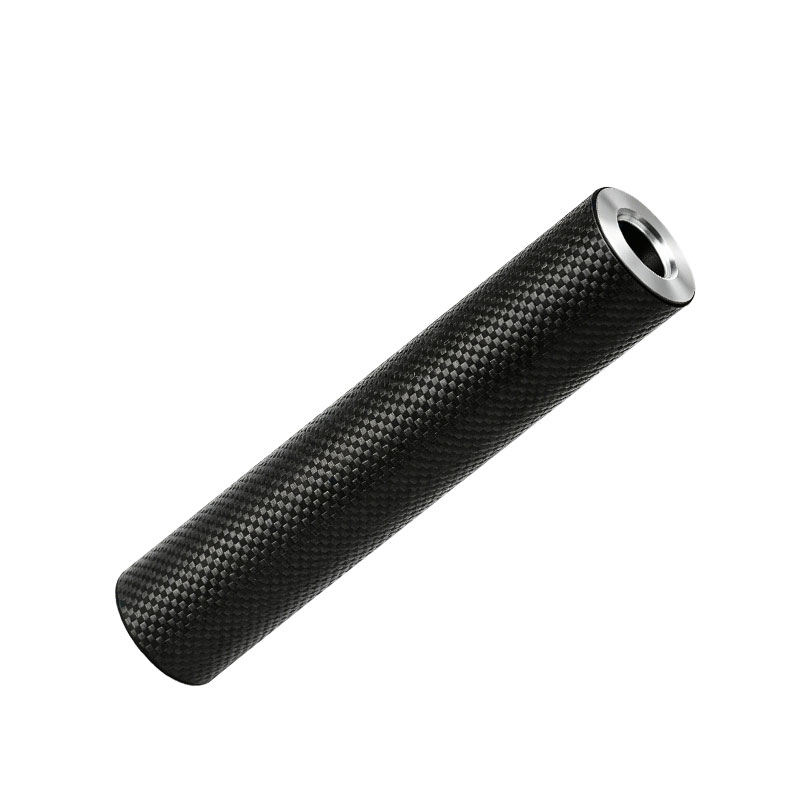
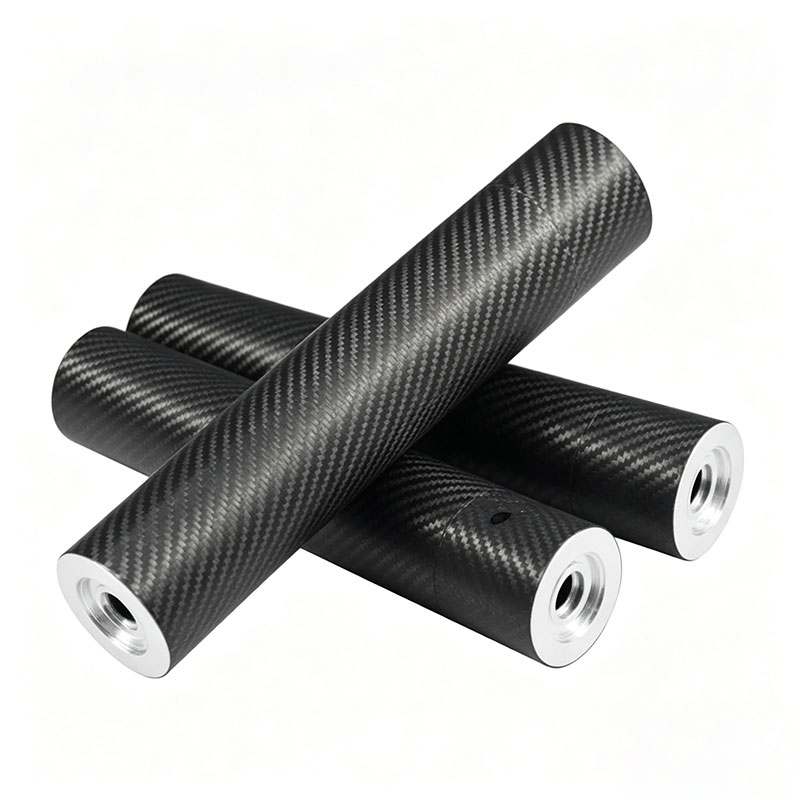
In modern web processing, the push for greater throughput and wider material webs exposes the severe physical limitations of traditional metal rollers. At high operating speeds, heavy steel and aluminum idlers suffer from high rotational inertia—meaning they drag during machine acceleration and over-spin during deceleration, causing severe scratching, wrinkling, and web breaks on delicate materials like optical films and battery foils. Furthermore, long metal rollers are prone to deflection and vibration ("whipping") at high RPMs. The AstraRoll Precision Carbon Fiber Roller eliminates these aerodynamic and mechanical bottlenecks. Fabricated from advanced Carbon Fiber Reinforced Polymers (CFRP), these rollers are up to 70% lighter than steel and 30% lighter than aluminum, while exhibiting significantly higher stiffness. This ultra-low inertia ensures instantaneous synchronization with web speeds at exceptionally low tensions. Engineered with precision-bonded metal journals and dynamically balanced for vibration-free rotation, these advanced composites are the ultimate mobility solution for high-speed printing, converting, and lithium-battery manufacturing lines.
Roll Function: Spreader Roller, Conveyor Roller, Material Handling
Industry Applications: Packaging, Converting, New Energy, Electronics
Inquiry Email: sales@astraroll.com
Precision Low-Inertia Carbon Fiber Roller Tubes Manufacturer Details
We engineer our carbon fiber rollers to push the boundaries of critical speed and web tension control:
Ultra-Low Rotational Inertia: The featherweight nature of carbon fiber allows the roller to accelerate and decelerate effortlessly, driven entirely by the friction of the web. This eliminates the need for expensive driven rollers in low-tension zones and entirely prevents surface scratching.
Exceptional Critical Speed: Long, narrow rollers vibrate aggressively when they reach their natural resonant frequency (critical speed). Carbon fiber's immense stiffness-to-weight ratio pushes this critical speed far beyond the operational limits of the machine, ensuring smooth, vibration-free rotation.
Zero Deflection over Long Spans: In wide-web applications (e.g., 3 to 6 meters wide), aluminum rollers bow under their own weight. High Modulus carbon fiber tubes remain perfectly straight, ensuring uniform tension across the entire width of the material.
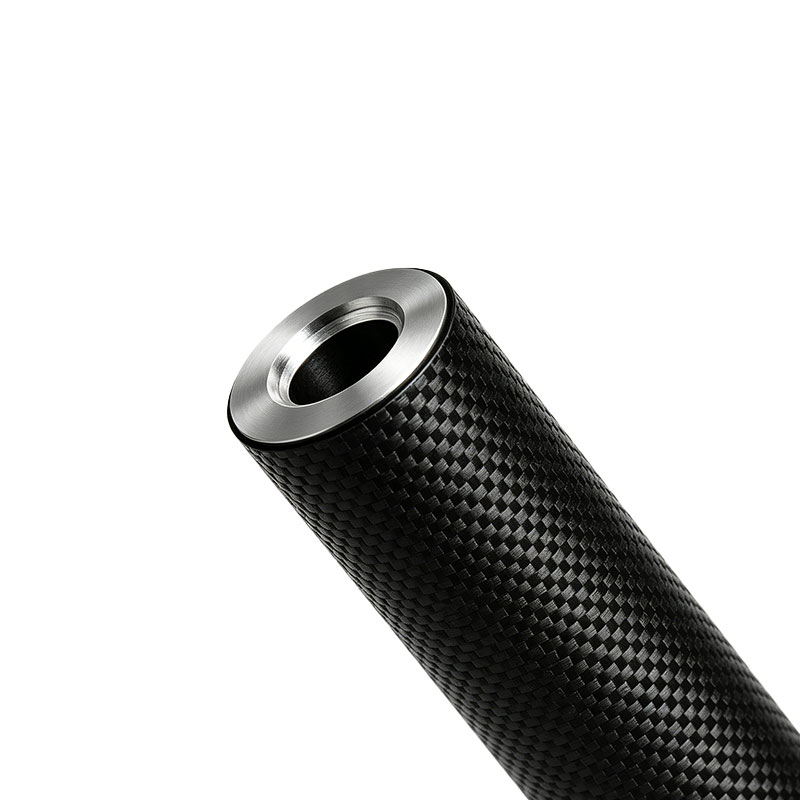
Aerospace-Grade Journal Bonding: The weakest point of any composite roller is where the metal shaft meets the carbon tube. We utilize proprietary interference-fit designs combined with aerospace-grade epoxy resins to ensure the metal journals never slip or detach under extreme radial loads.
Key Specifications
Please note: We calculate the required carbon wall thickness and modulus based on your specific face length and web tension.
Outer Diameter (O.D.): Custom from 40mm up to 400mm+.
Face Length: Custom manufactured up to 6,000mm.
Weight Reduction: ~70% lighter than Steel; ~30% lighter than Aluminum
TIR (Total Indicator Runout): ≤ 0.02mm (Precision ground finish).
Dynamic Balancing: ISO G1.0 to G2.5 at maximum operational RPM
Why Choose AstraRoll?
1. Composite Core Substrates for Heavy Coatings
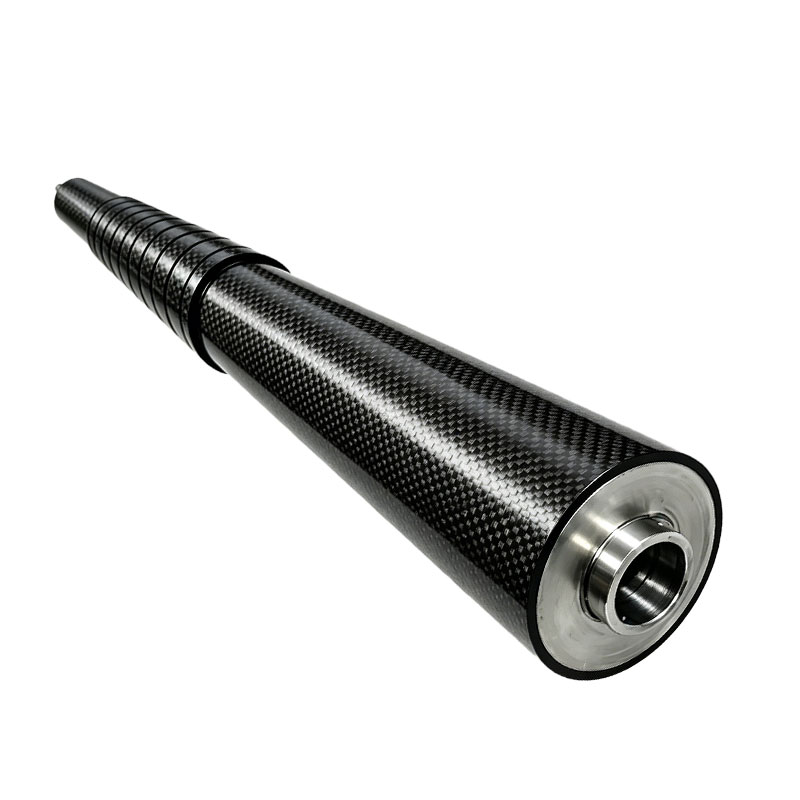
AstraRoll doesn't just supply bare carbon tubes. We frequently use our high-modulus carbon fiber tubes as the low-inertia core for other heavy-duty rollers. We can coat the carbon fiber substrate with high-temp silicone, polyurethane, or even thermal-sprayed tungsten carbide, giving you the surface properties of a heavy industrial roller with a fraction of the rotational weight.
2. Turnkey Dynamic Balancing
A lightweight roller spinning at 2,000 meters per minute must be perfectly balanced, otherwise, it will destroy its bearings instantly. AstraRoll performs state-of-the-art computerized dynamic balancing on the completely assembled unit (carbon tube + bonded metal journals), guaranteeing plug-and-play performance for OEM machine builders.
Frequently Asked Questions (FAQs)
Q: Are carbon fiber rollers fragile? Can they handle high web tension?
A: They are surprisingly rugged. Carbon fiber actually possesses a higher tensile strength and stiffness-to-weight ratio than steel. While you should not strike them with a hammer (impact resistance is lower than solid metal), they can easily handle the massive radial loads and high web tensions found in industrial paper and foil mills without bending.
Q: How do the metal shafts stay attached to the carbon fiber tube?
A: We do not rely on standard mechanical fasteners, which would compromise the carbon matrix. We machine the aluminum or stainless steel end caps to a precise tolerance and bond them into the carbon tube using specialized, high-shear structural epoxies. The bond is stronger than the carbon fiber itself.
Q: Can you repair a carbon fiber roller if the surface gets scratched?
A: If a bare carbon fiber roller receives a deep scratch that cuts into the woven fibers, it generally cannot be repaired without compromising its structural integrity. However, if we initially manufactured the roller with a thick, protective polyurethane or epoxy clear coat, we can often re-grind and re-coat the surface to restore it to OEM condition.
Q1. Are you a trader or direct factory?
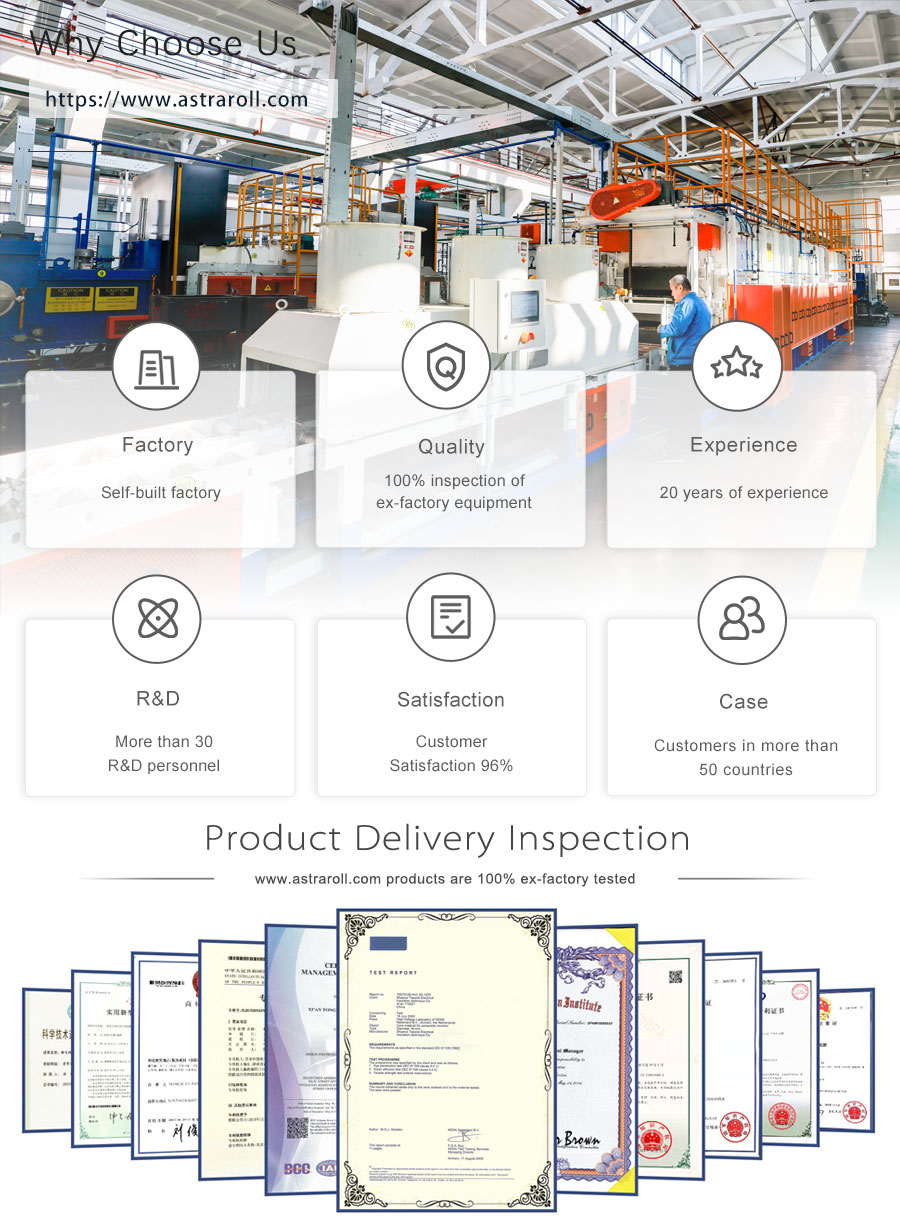
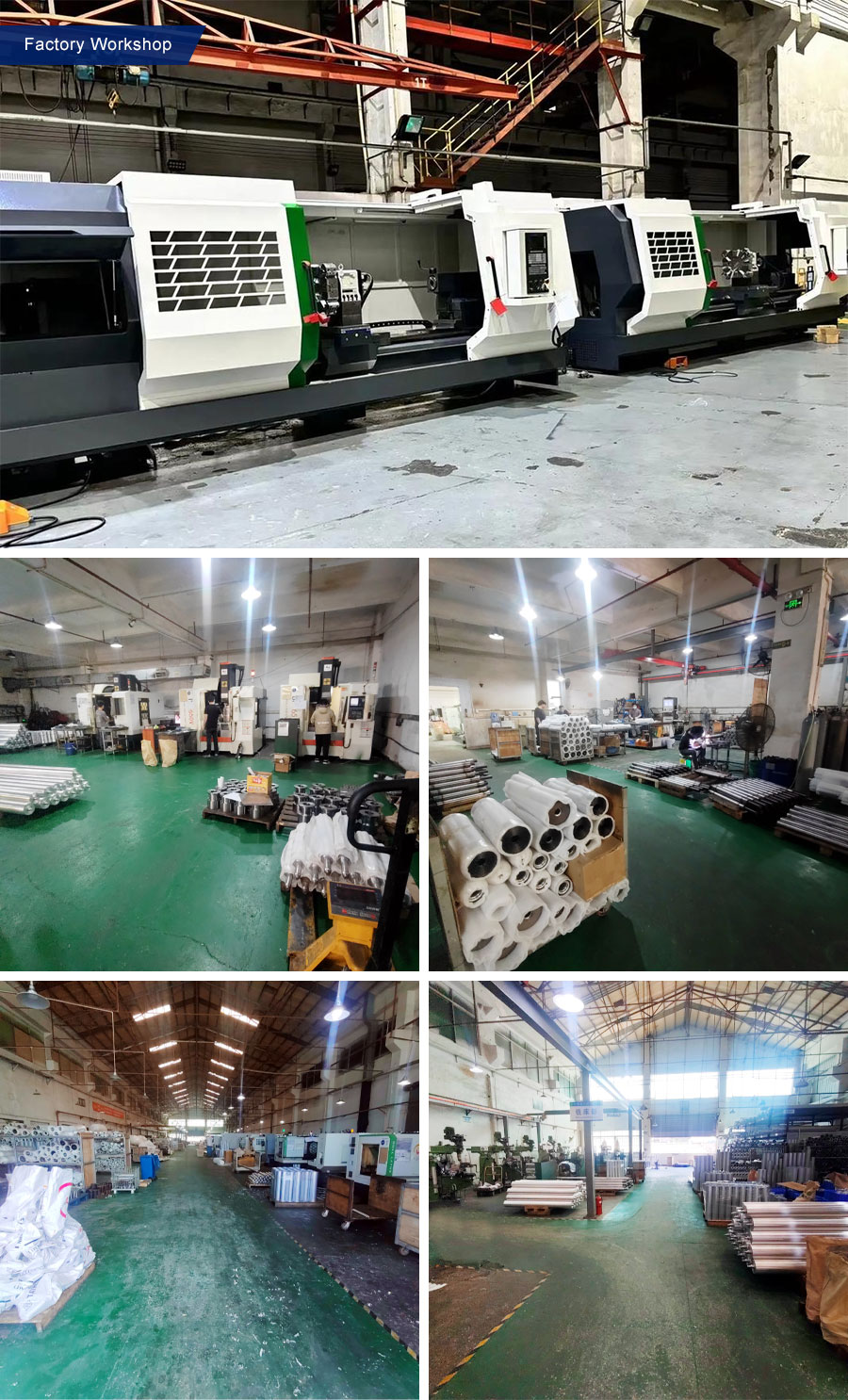
We are a direct manufacturing factory with over 20 years of expertise in high-end industrial rollers, casters and material handling solutions. Our facility operates with ISO-certified quality management systems, allowing us to maintain full control over production cycles and quality standards. Throughout two decades of growth, we have established deep, long-term strategic partnerships with several listed companies and global automation leaders, proving our reliability as a high-tier industrial supplier.
Q2. What are your main products?
AstraRoll specializes in the engineering and production of three core product lines: Industrial Rollers, Heavy-Duty Wheels, and Precision Casters. We do not just sell components; we provide integrated movement and transport solutions. Our products are widely utilized across high-demand sectors, including: New Energy, Lithium Battery, Mining, Heavy Industry, Medical Institutional, Agriculture and Logistics.
Q3. What about delivery time?
We deeply understand that project timelines are critical.
Standard Products: Usually dispatched within 7–15 working days if the components are in stock.
Customized/OEM Orders: Depending on the complexity and volume, the lead time typically ranges from 20–35 days. This includes time for technical drawing confirmation, specialized tooling, and rigorous pre-shipment testing.
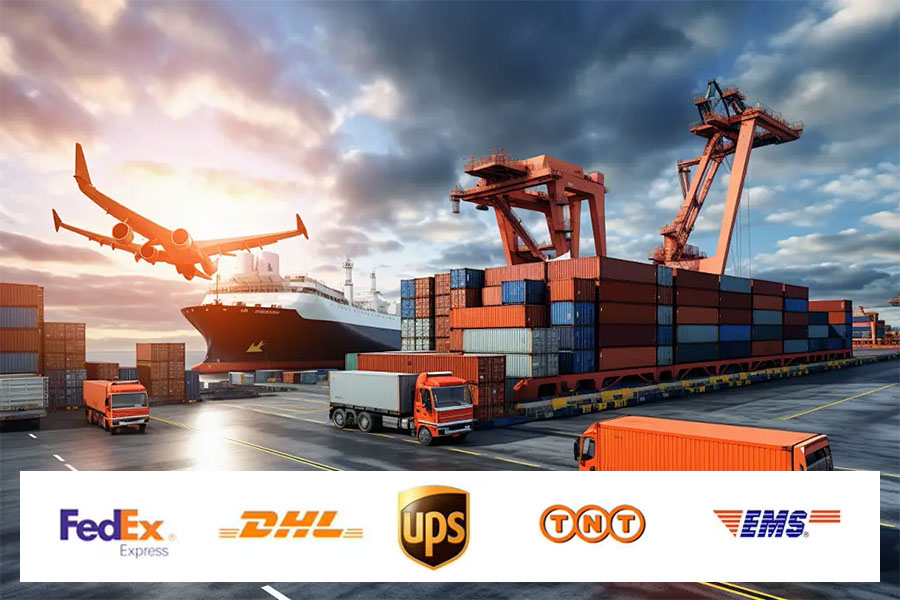
Shipping Methods: We offer flexible global logistics solutions, including FOB and CIF terms. We ship via Sea Freight (for bulk industrial orders), Air Freight (for urgent project needs), and International Express (DHL/FedEx/TNT) for smaller components or samples.
Q4. How can I get a quote for customized products?
Since a significant portion of our business involves specialized engineering, pricing is tailored to your specific technical requirements. To provide an accurate quote, please provide the following details: Technical Drawings or Sketches, Application Environment, Quantity, Special Requests. Our engineering team typically reviews and responds to custom inquiries with a formal quotation within 24–48 hours.
Q5. What is your payment?
TT / Paypal / Western Union / LC / Credit Card etc. are all available to us.