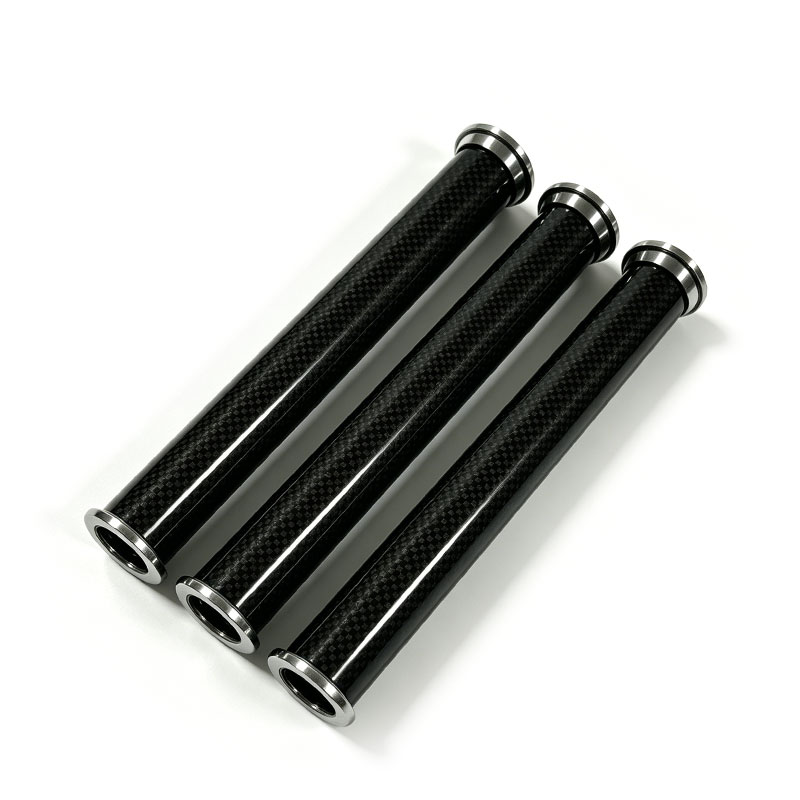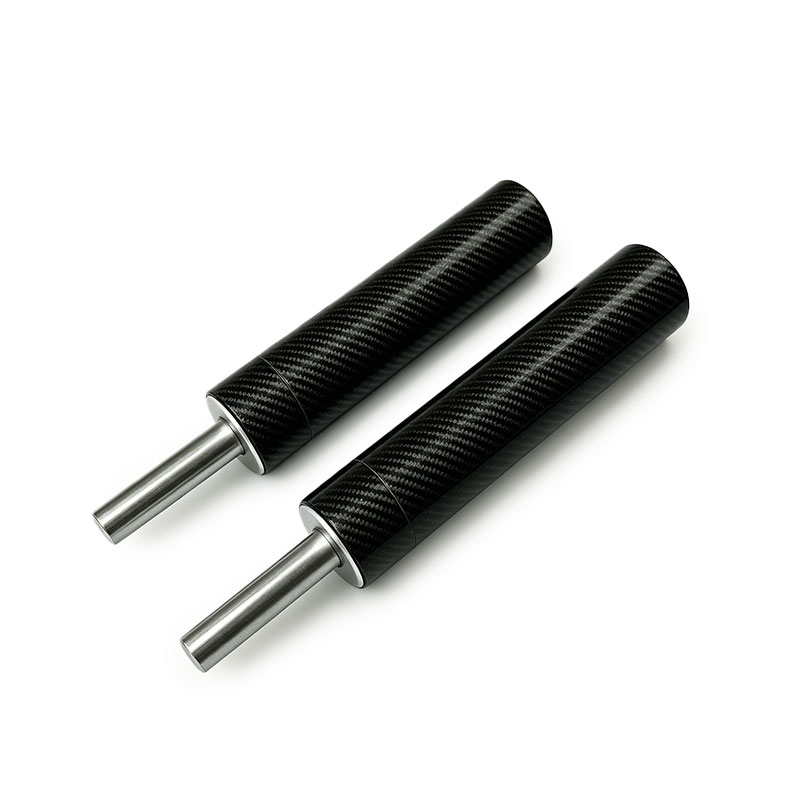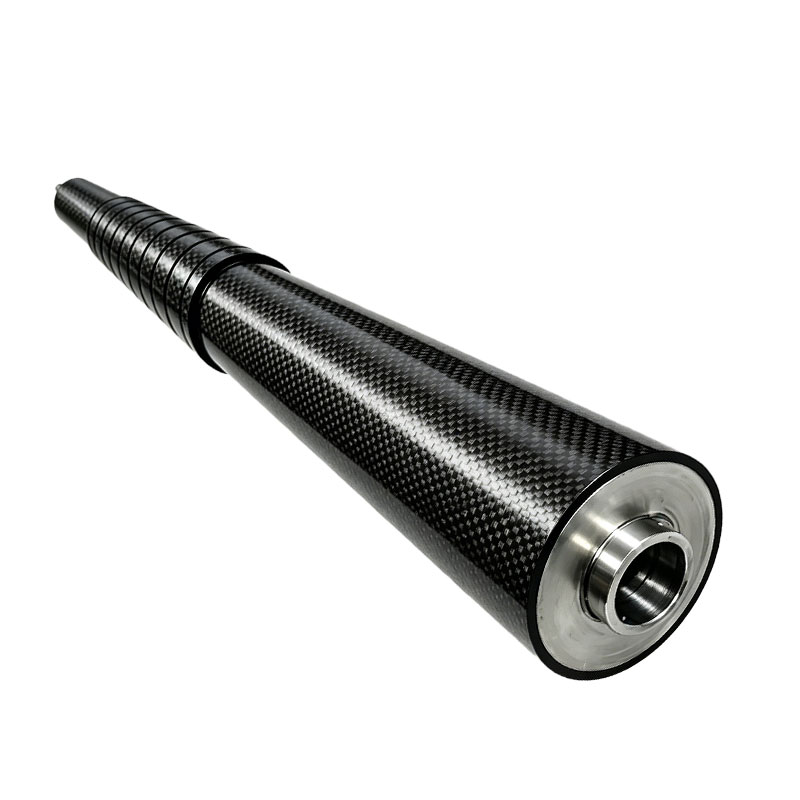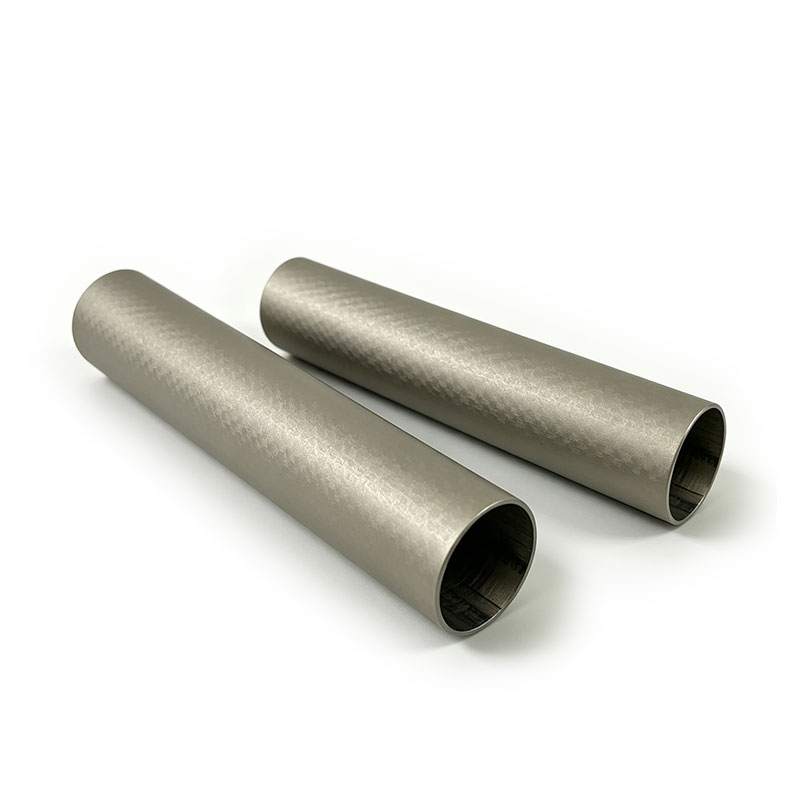
Wide Web Carbon Fiber Guide Roller Supplier
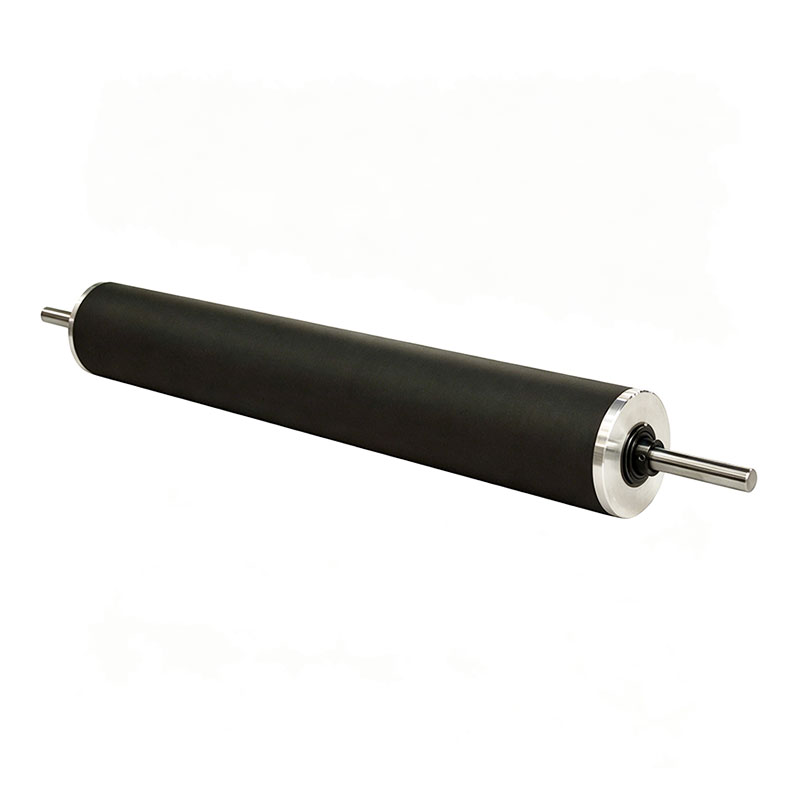
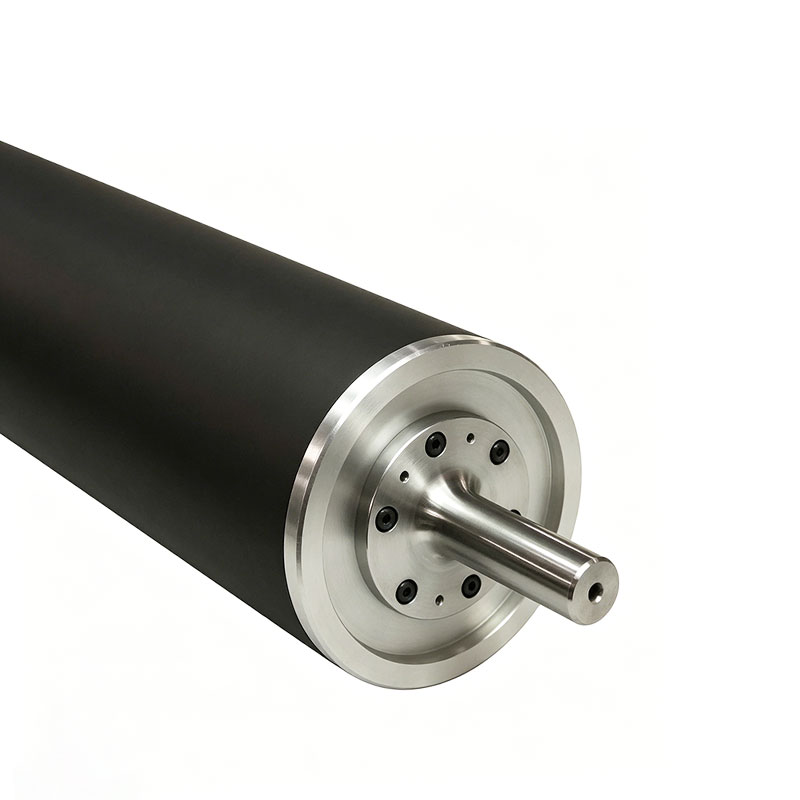
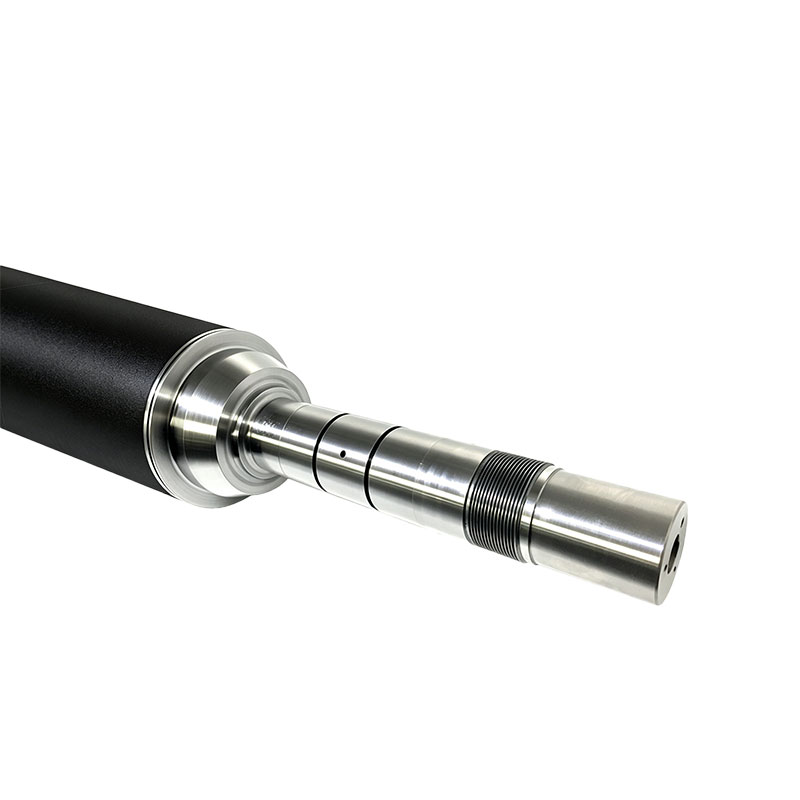
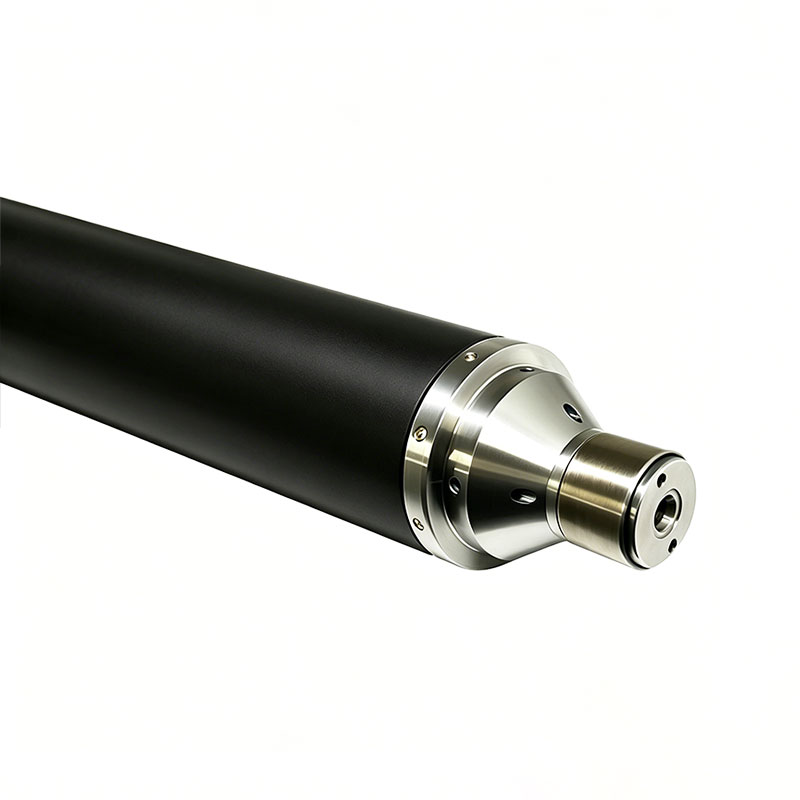
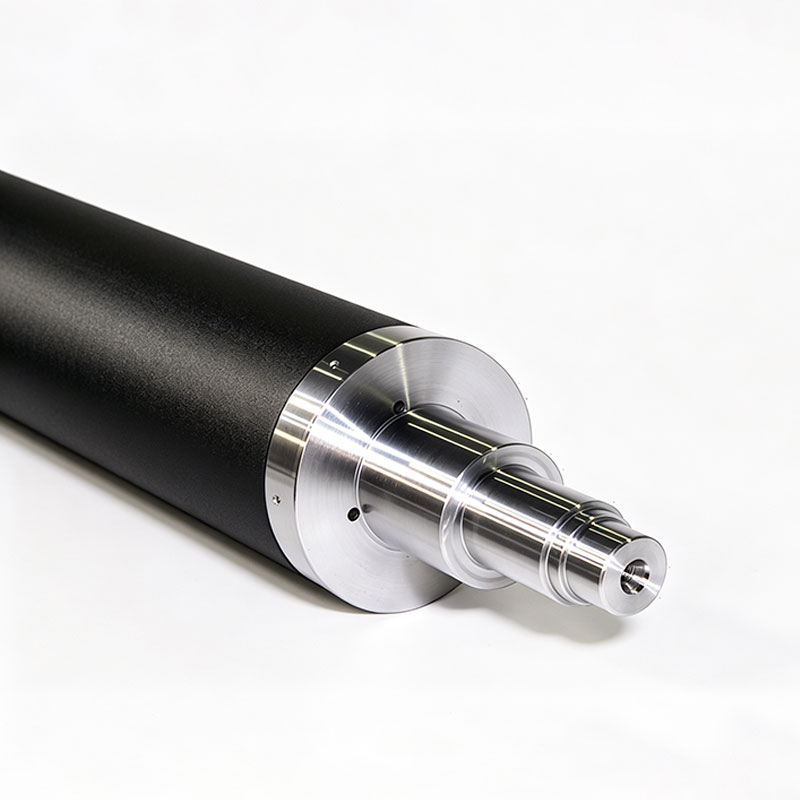
Product Overview:
In wide-web converting and continuous extrusion lines—where material widths frequently exceed three to six meters—traditional metal guide rollers become severe operational liabilities. Heavy steel rollers introduce massive rotational inertia that causes web scratching and tension loss, while lightweight aluminum rollers suffer from critical deflection (bowing) and intense vibration across long spans. The AstraRoll Wide Web Carbon Fiber Guide Roller resolves this mechanical paradox. Fabricated from advanced Ultra-High Modulus (UHM) carbon fiber, these composite idlers provide the structural rigidity of heavy alloy steel at a fraction of the rotational weight. This unparalleled stiffness-to-weight ratio ensures absolute zero deflection across extreme face lengths and pushes the critical speed threshold far beyond standard operational limits. They are the premier, vibration-free mobility solution for wide-web paper mills, non-woven fabric processing, and grand-format printing lines.
Roll Function: Spreader Roller, Material Handling
Industry Applications: Industry, Printing, Textile, Converting, New Energy, Electronics
Inquiry Email: sales@astraroll.com
Wide Web Carbon Fiber Guide Roller Supplier Details
Engineering a roller that is 6 meters long but weighs less than 50 kilograms requires aerospace-level composite mastery:
Ultra-High Modulus (UHM) Rigidity: By utilizing pitch-based UHM carbon fibers, we achieve a Young's Modulus significantly higher than that of standard steel. This ensures the roller remains perfectly horizontal without drooping in the center, guaranteeing uniform web tension across the entire width.
Elevated Critical Speeds: Long rollers inherently suffer from harmonic vibrations ("whipping") at high RPMs. The extreme stiffness and vibration-dampening properties of our carbon matrix elevate the roller's natural resonant frequency, allowing for smooth operation at speeds exceeding 2,500 meters per minute.
Aerodynamic Air-Relief Surfaces: In wide-web applications, air gets trapped between the roller and the fast-moving film, causing the web to float. We can CNC-machine precise micro-grooves into the carbon or composite coating to expel this boundary layer, restoring 100% mechanical traction.
FEA Engineered Wall Thickness: We do not use off-the-shelf tubes. AstraRoll engineers use Finite Element Analysis (FEA) to calculate the exact carbon fiber layup angles and wall thickness required for your specific web tension, speed, and face length.
Key Specifications
Please note: Wide web rollers are highly specialized and manufactured strictly to your OEM engineering data.
Outer Diameter (O.D.): Custom from 80mm up to 600mm+.
Face Length: Engineered for extreme spans up to 8,000mm (8 meters).
Deflection Tolerance: ≤ 0.2mm per 3,000mm of length (Under specified web load).
TIR (Total Indicator Runout): ≤ 0.05mm across the entire span.
Dynamic Balancing: ISO G1.0 or G2.5 at your maximum specified line speed.
Why Choose AstraRoll?
1. Plug-and-Play Retrofit Engineering
You do not need to modify your existing converting line to upgrade to carbon fiber. Provide us with the drawings of your current heavy steel idlers. AstraRoll will engineer a lightweight carbon fiber roller with exact-match metal journals or dead-shaft mounting blocks, allowing your maintenance team to simply drop the new rollers into your existing machine slots.
2. Specialty High-Wear Coatings for Wide Webs
For wide-web paper mills where the abrasive edges of paper travel at extreme speeds, raw carbon fiber can eventually wear down. AstraRoll can thermal-spray a micro-thin layer of Tungsten Carbide or Ceramic directly onto the wide carbon fiber tube, combining the indestructible surface of a heavy industrial roll with the featherweight inertia of aerospace composites.
Frequently Asked Questions (FAQs)
Q: Why do you specify "Ultra-High Modulus" (UHM) instead of standard carbon fiber for wide webs?
A: Standard carbon fiber (Standard Modulus) is extremely strong but still has some flexibility. Over short lengths, it's perfect. However, when a roller spans 4 to 8 meters, even standard carbon fiber can sag slightly in the middle. Ultra-High Modulus (UHM) fibers are specially processed to be exceptionally rigid, preventing any deflection over massive spans.
Q: Can carbon fiber conduct static electricity? Our wide plastic films generate massive static charges.
A: Raw carbon fiber is somewhat conductive, but the epoxy resin that binds it is an insulator. To resolve this, AstraRoll integrates proprietary conductive additives into the outer resin layer and designs a continuous grounding path through the internal metal bearings to the machine frame, completely neutralizing static buildup (ESD compliance).
Q: We need to run our wide web line at 2,000 meters per minute. Will this roller vibrate?
A: No. Due to the high stiffness-to-weight ratio of carbon fiber, its "critical speed" (the RPM at which severe vibration occurs) is exceptionally high. Combined with our in-house ISO G1.0 computerized dynamic balancing, these rollers are engineered to run perfectly smooth at speeds well beyond 2,000 m/min.
Q1. Are you a trader or direct factory?
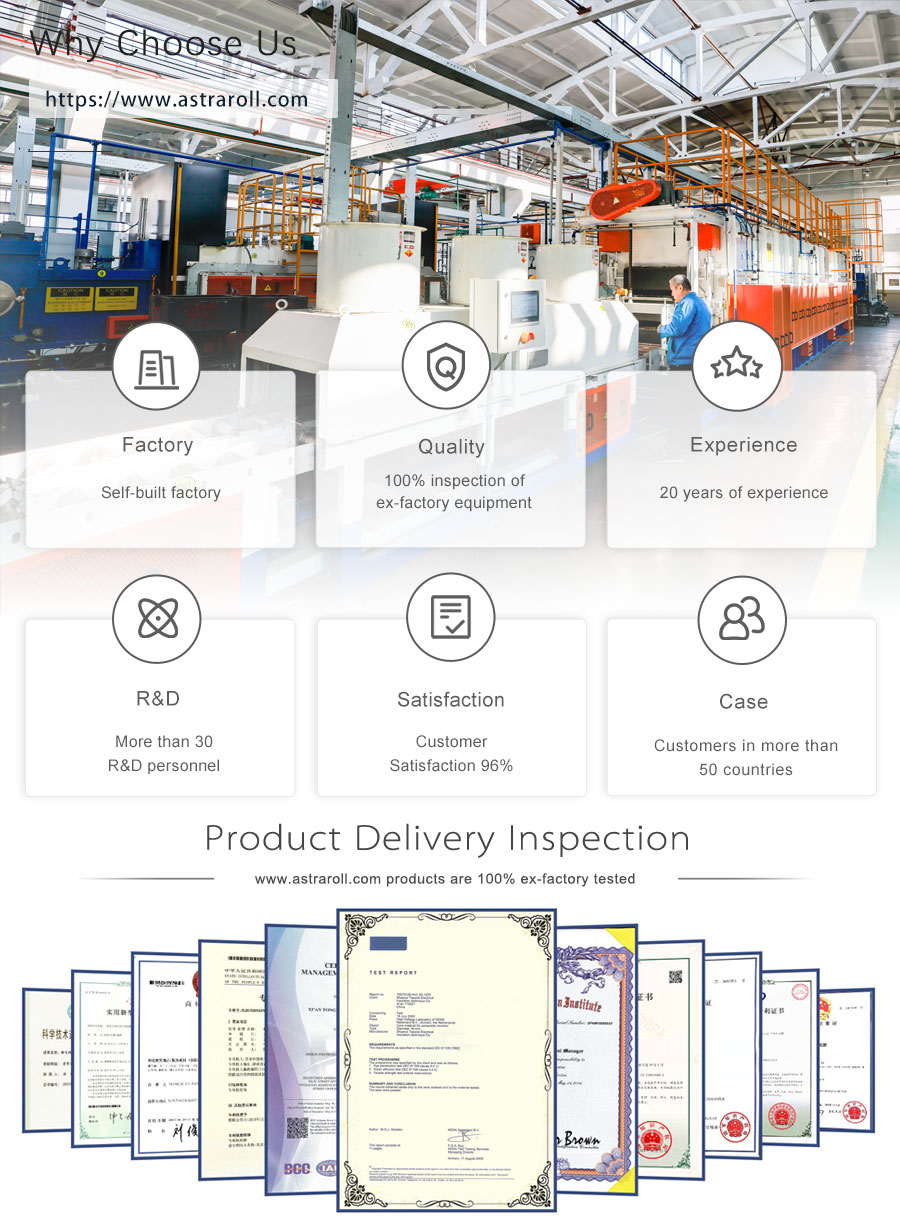
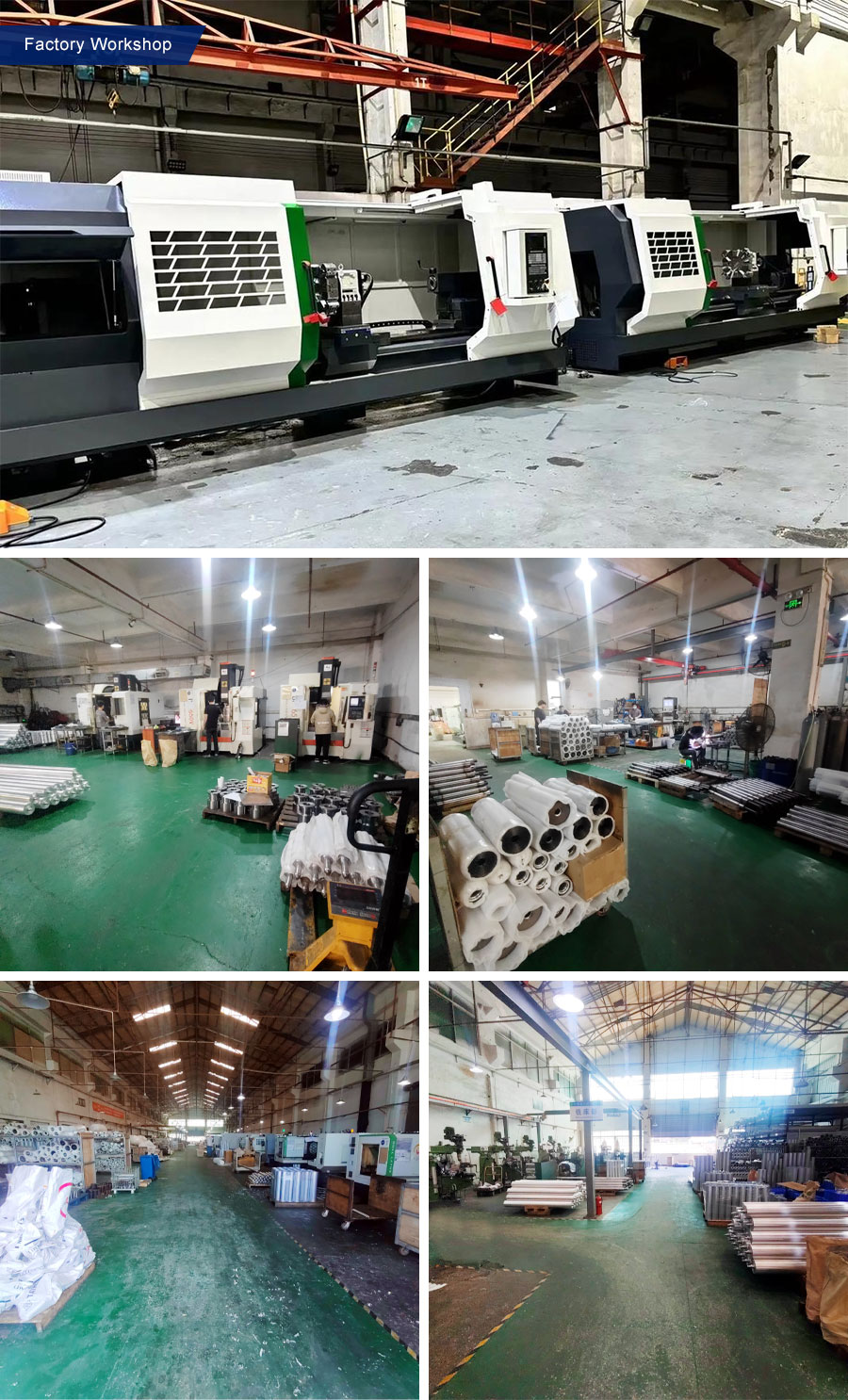
We are a direct manufacturing factory with over 20 years of expertise in high-end industrial rollers, casters and material handling solutions. Our facility operates with ISO-certified quality management systems, allowing us to maintain full control over production cycles and quality standards. Throughout two decades of growth, we have established deep, long-term strategic partnerships with several listed companies and global automation leaders, proving our reliability as a high-tier industrial supplier.
Q2. What are your main products?
AstraRoll specializes in the engineering and production of three core product lines: Industrial Rollers, Heavy-Duty Wheels, and Precision Casters. We do not just sell components; we provide integrated movement and transport solutions. Our products are widely utilized across high-demand sectors, including: New Energy, Lithium Battery, Mining, Heavy Industry, Medical Institutional, Agriculture and Logistics.
Q3. What about delivery time?
We deeply understand that project timelines are critical.
Standard Products: Usually dispatched within 7–15 working days if the components are in stock.
Customized/OEM Orders: Depending on the complexity and volume, the lead time typically ranges from 20–35 days. This includes time for technical drawing confirmation, specialized tooling, and rigorous pre-shipment testing.
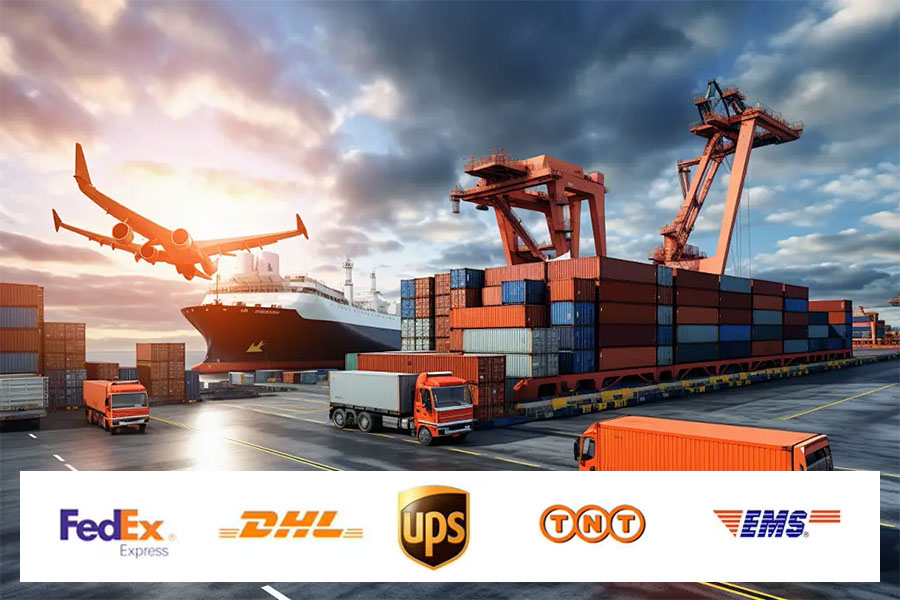
Shipping Methods: We offer flexible global logistics solutions, including FOB and CIF terms. We ship via Sea Freight (for bulk industrial orders), Air Freight (for urgent project needs), and International Express (DHL/FedEx/TNT) for smaller components or samples.
Q4. How can I get a quote for customized products?
Since a significant portion of our business involves specialized engineering, pricing is tailored to your specific technical requirements. To provide an accurate quote, please provide the following details: Technical Drawings or Sketches, Application Environment, Quantity, Special Requests. Our engineering team typically reviews and responds to custom inquiries with a formal quotation within 24–48 hours.
Q5. What is your payment?
TT / Paypal / Western Union / LC / Credit Card etc. are all available to us.