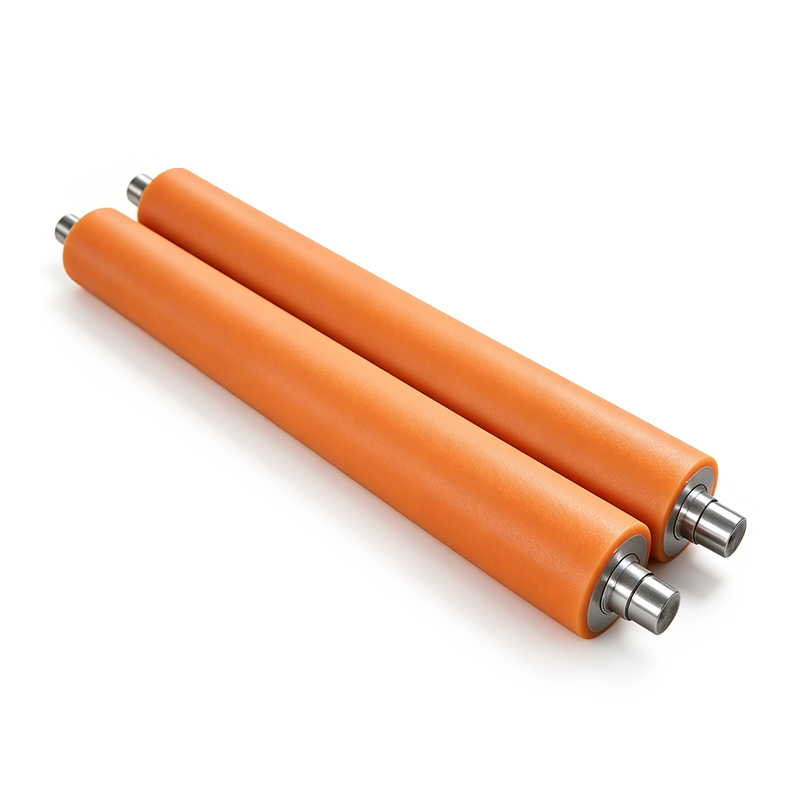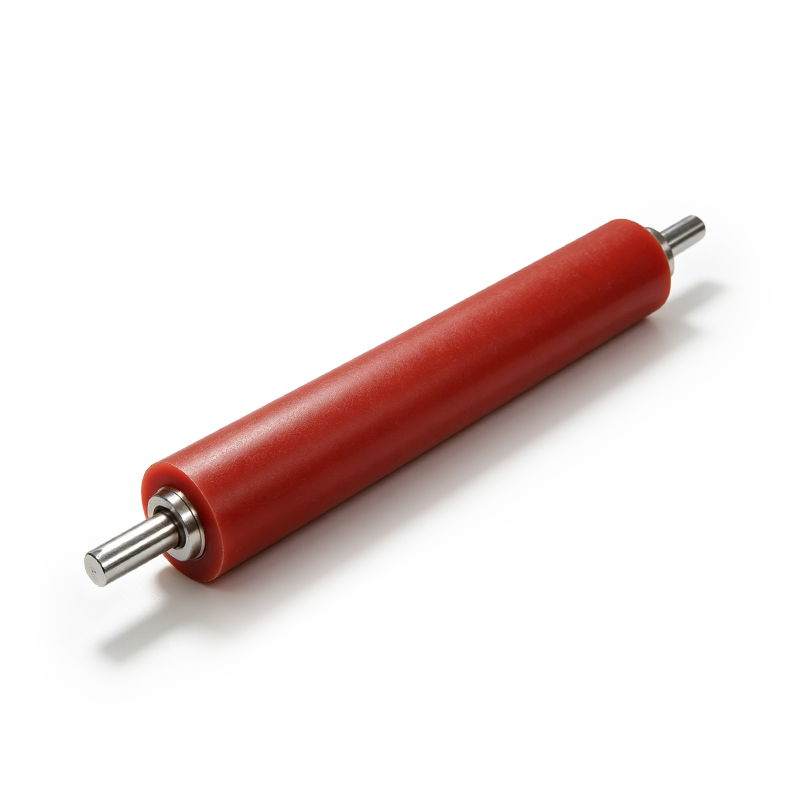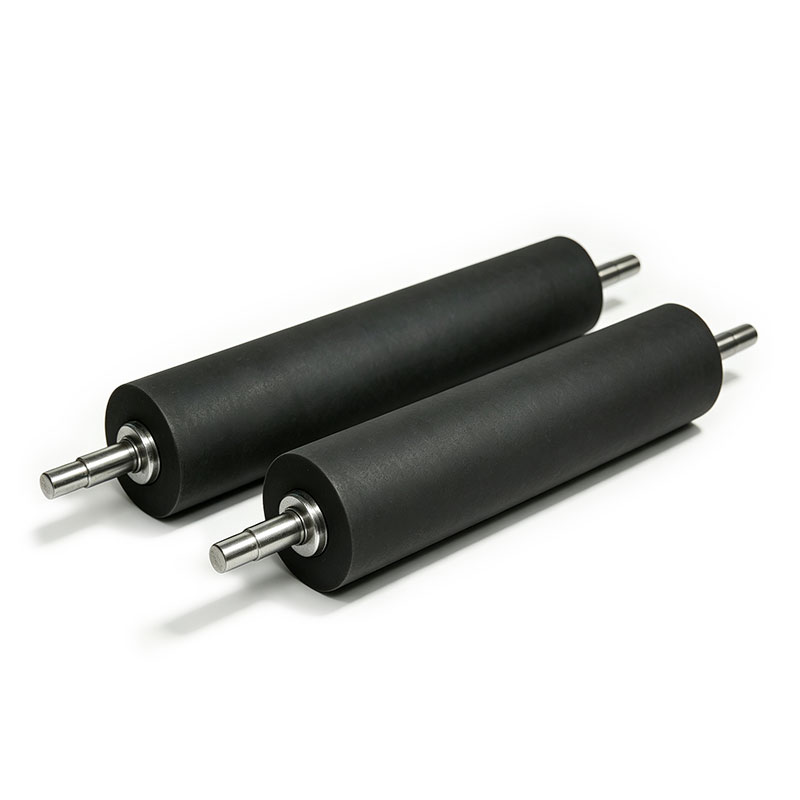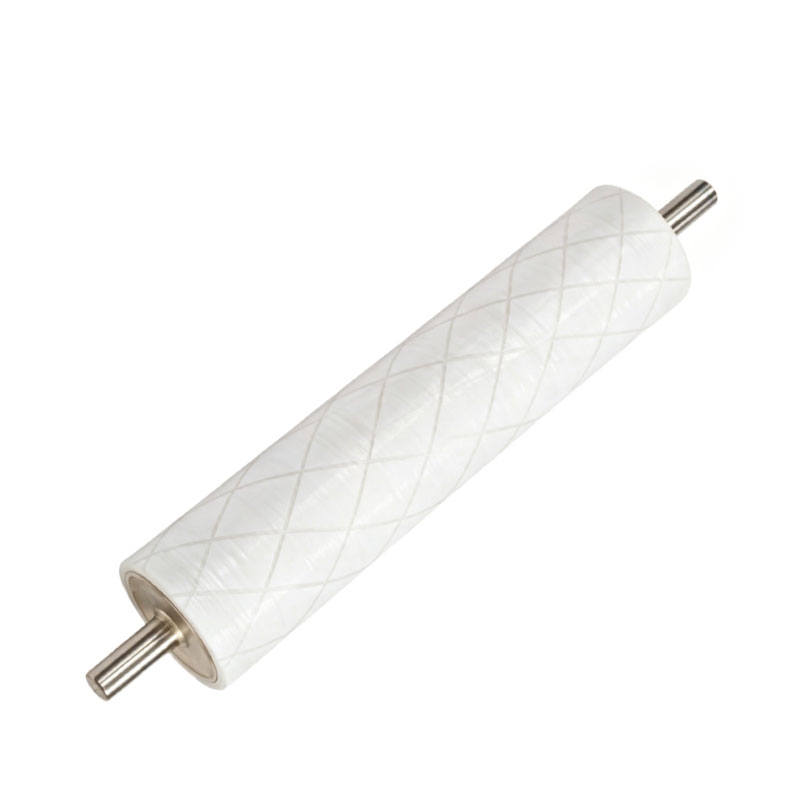
Silicone Rubber Press and Printing Roller Manufacturer
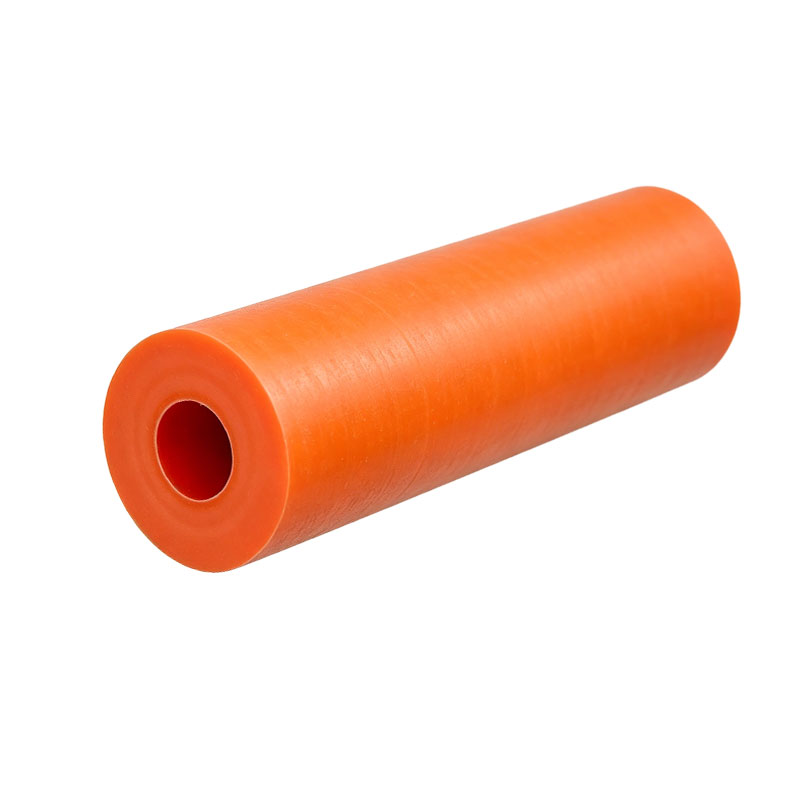
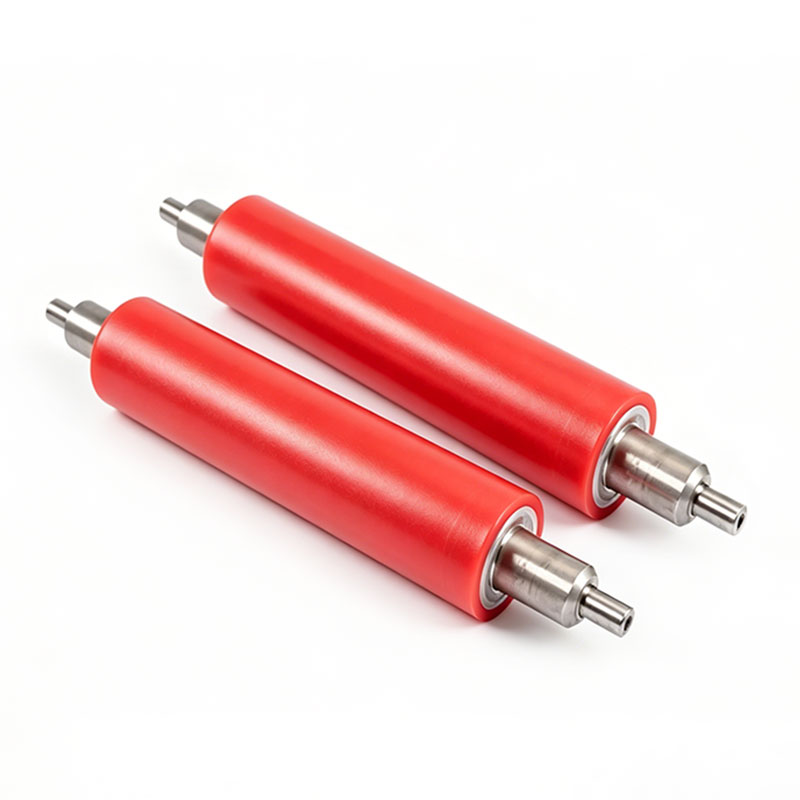
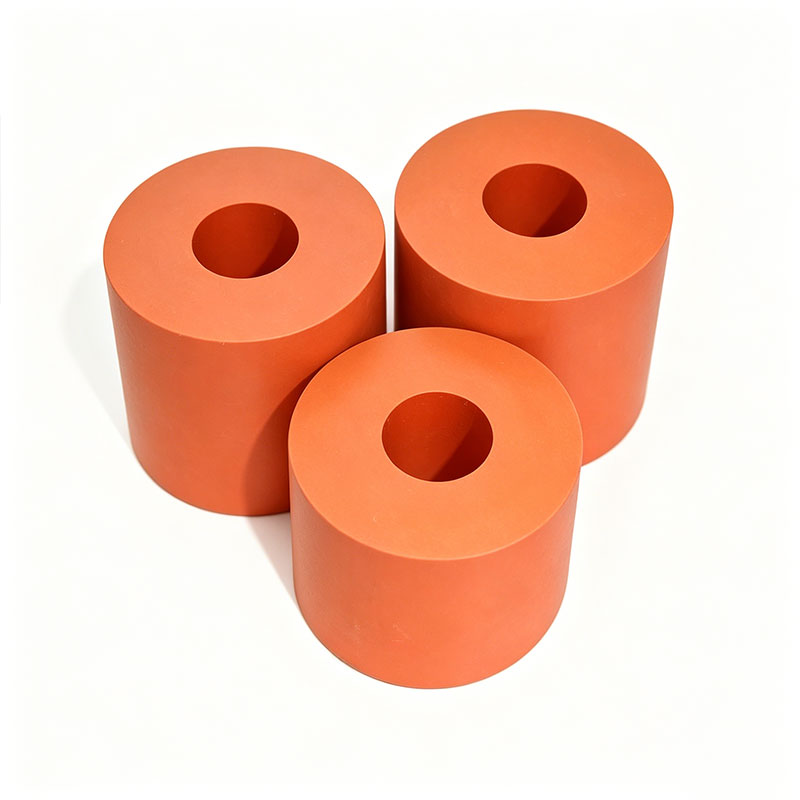
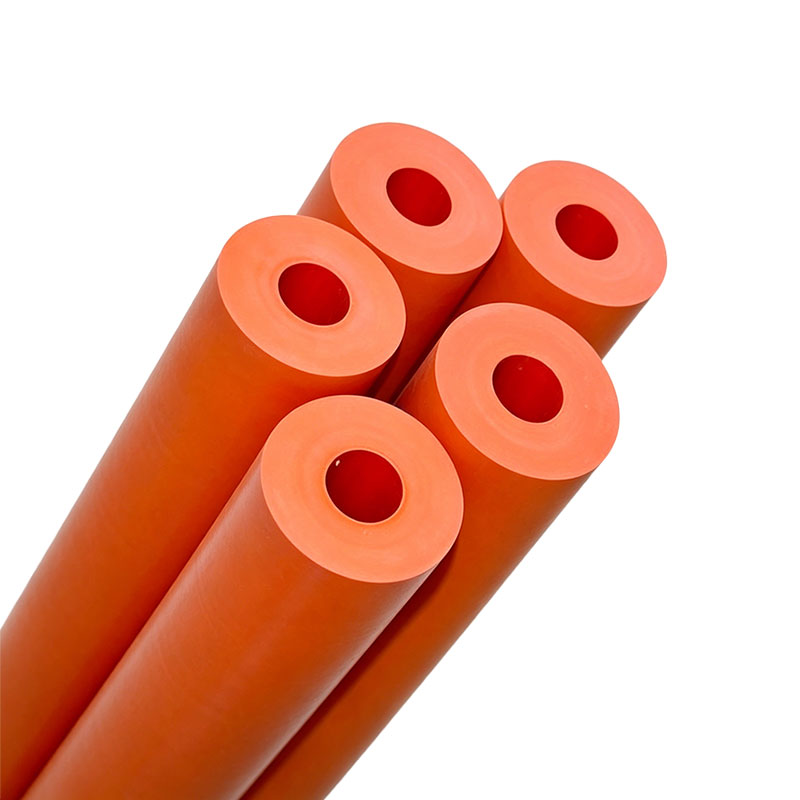
Product Overview:
In thermal transfer printing, hot foil stamping, and industrial laminating, achieving flawless adhesion and image clarity requires absolute uniformity in both temperature and mechanical pressure. Standard elastomeric rollers undergo thermal degradation, hardening, and dimensional warping when exposed to the 200°C+ temperatures required for these processes. The AstraRoll Silicone Rubber Press and Printing Roller is engineered specifically to master this high-heat, high-pressure environment. Vulcanized using premium, thermally conductive silicone compounds, these press rollers deliver rapid heat transfer while maintaining exceptional dynamic compression recovery. Operating continuously at extreme temperatures without losing their Shore hardness, and featuring a naturally non-stick (low surface energy) topography, they prevent hot adhesives, foils, and inks from wrapping around the cylinder, ensuring pristine, continuous web output.
Roll Function: Printing Roller
Industry Applications: Printing
Inquiry Email: sales@astraroll.com
Silicone Rubber Press and Printing Roller Manufacturer Details
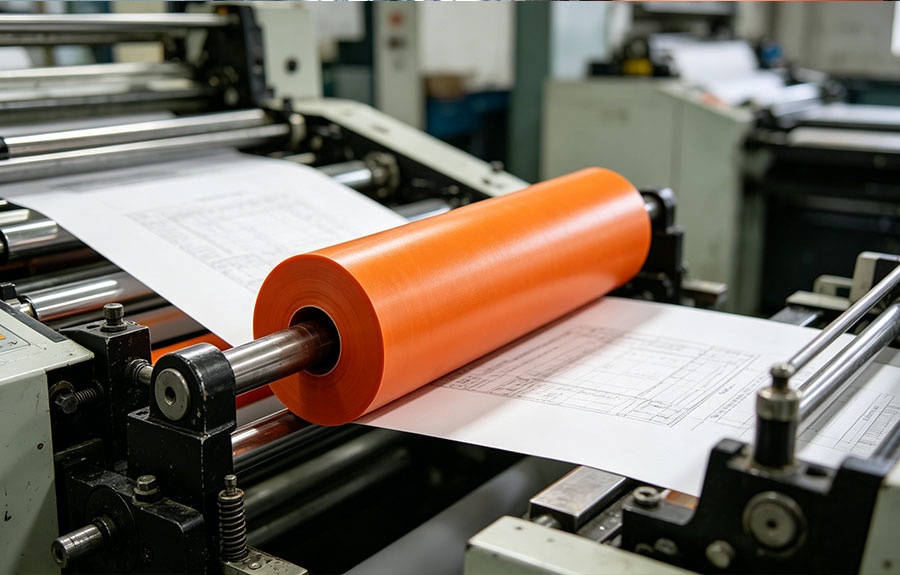
The AstraRoll Technical Advantage
We engineer our printing and laminating rollers to eliminate the micro-variations that cause print defects and lamination bubbles:
Dynamic Compression Recovery: In a printing nip, the rubber compresses and expands hundreds of times per minute. Our silicone formulations possess exceptionally low compression set, meaning the roller instantly regains its exact geometric shape, preventing the "flattening" that causes uneven print pressure.
Optimized Thermal Conductivity: For machines where the roller itself is internally heated, standard rubber acts as an insulator. AstraRoll blends specialized metallic and ceramic micro-additives into the silicone matrix, drastically improving heat transfer to the substrate while maintaining the rubber's elasticity.
Chemical & Adhesive Immunity: The inherent low-surface-energy of our silicone ensures that stray hot-melt glues, laminating adhesives, and thermal transfer ribbons release cleanly from the roller face, virtually eliminating the need for mid-shift cleaning stoppages.
Micro-Precision TIR Grinding: A variance of just a few microns can cause skipped foil or trapped air in a laminate. We utilize advanced CNC cylindrical grinders to finish the silicone surface to a Total Indicator Runout (TIR) of ≤ 0.02mm, ensuring absolute nip uniformity.
Key Specifications
Please note: We manufacture the metal core and vulcanize the silicone entirely to your OEM printing machinery specifications.
Outer Diameter (O.D.): Custom from 20mm up to 500mm+.
Face Length: Custom manufactured up to 3,500mm.
Operating Temperature: -40°C to 250°C (-40°F to 482°F) continuously.
Hardness Tolerance: ± 3 Shore A (Maintained perfectly across the entire working face).
Bonding Strength: Utilizes multi-stage high-temp primers to ensure the silicone never delaminates from the metal shaft.
Why Choose AstraRoll?
1. Deflection-Compensated Crown Profiles
When heavy downward pressure is applied to the ends of a long laminating roller, the center naturally bows slightly away from the web, causing air bubbles or missed print in the middle of your material. AstraRoll calculates this deflection and grinds a precise, parabolic "crown" into the silicone (making the center fractions of a millimeter thicker than the ends), resulting in a perfectly flat nip under load.
2. Factory-Direct Re-Vulcanization
When your silicone press roller eventually glazes over or suffers a knife cut, do not scrap the expensive metal core or the internal bearings. Ship the shaft to the AstraRoll factory. We will chemically strip the damaged silicone, re-vulcanize a fresh, highly bonded layer, and precision-grind it back to your original machine tolerances at a highly competitive B2B cost.
Frequently Asked Questions (FAQs)
Q: What Shore hardness should I specify for hot foil stamping?
A: Hot foil stamping typically requires a firmer pressure to ensure the foil cleanly releases from its carrier and bonds to the substrate. We generally recommend a hardness between 70 Shore A and 85 Shore A. If you are stamping onto highly textured or uneven surfaces, a slightly softer compound (e.g., 60 Shore A) will help the foil conform to the valleys of the material.
Q: Can you manufacture internally heated silicone rollers?
A: Yes. We can manufacture hollow, double-jacketed steel or aluminum cores designed to accept hot thermal oil or electric cartridge heaters, and then vulcanize our high-thermal-conductivity silicone directly over that heated core.
Q: How should operators clean the silicone surface without damaging it?
A: Silicone is sensitive to harsh hydrocarbon solvents (like MEK, Toluene, or heavy degreasers), which will cause the rubber to swell and eventually break down. To clean adhesives or stray inks from a silicone roller, operators should use isopropyl alcohol (IPA), ethyl acetate, or specific mild, silicone-safe citrus cleaners, using a soft lint-free cloth.

Q1. Are you a trader or direct factory?
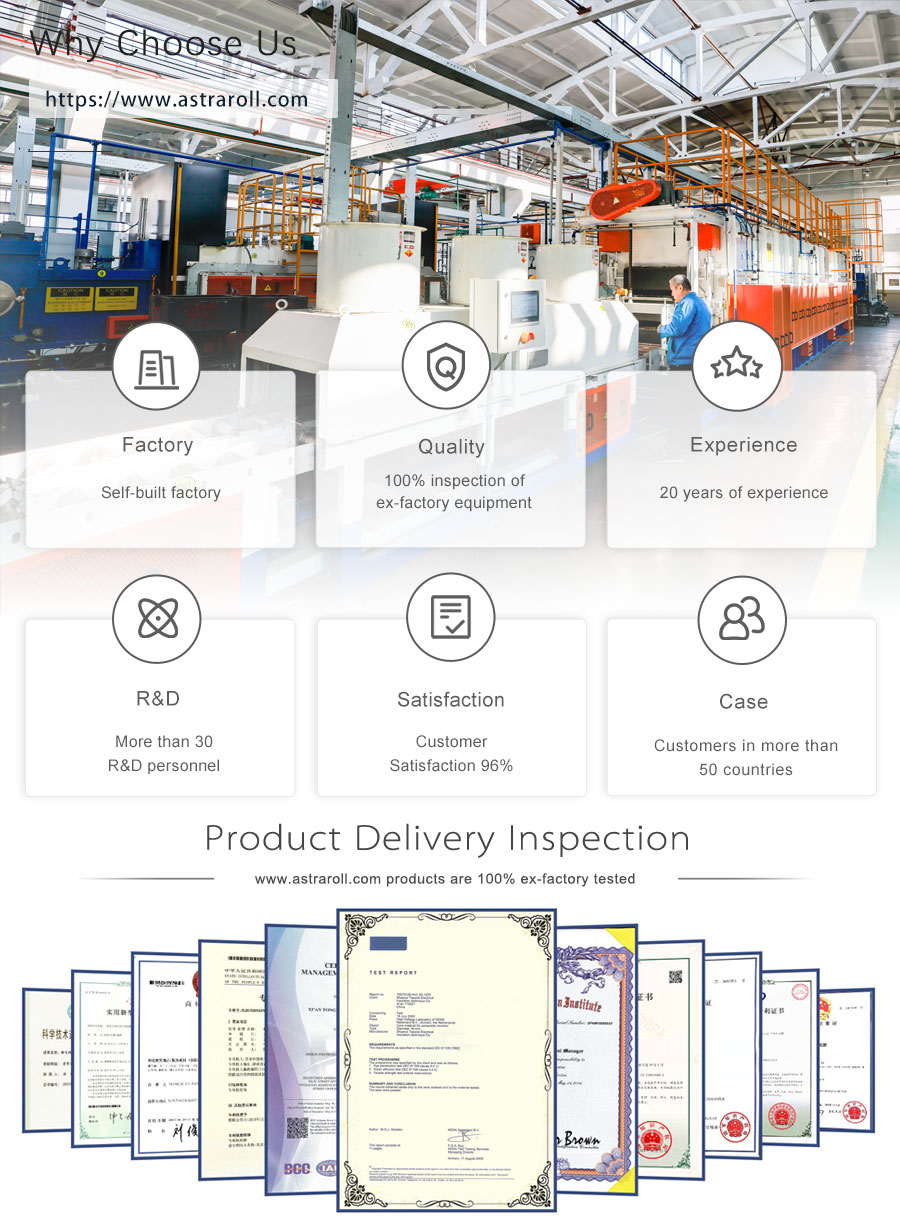
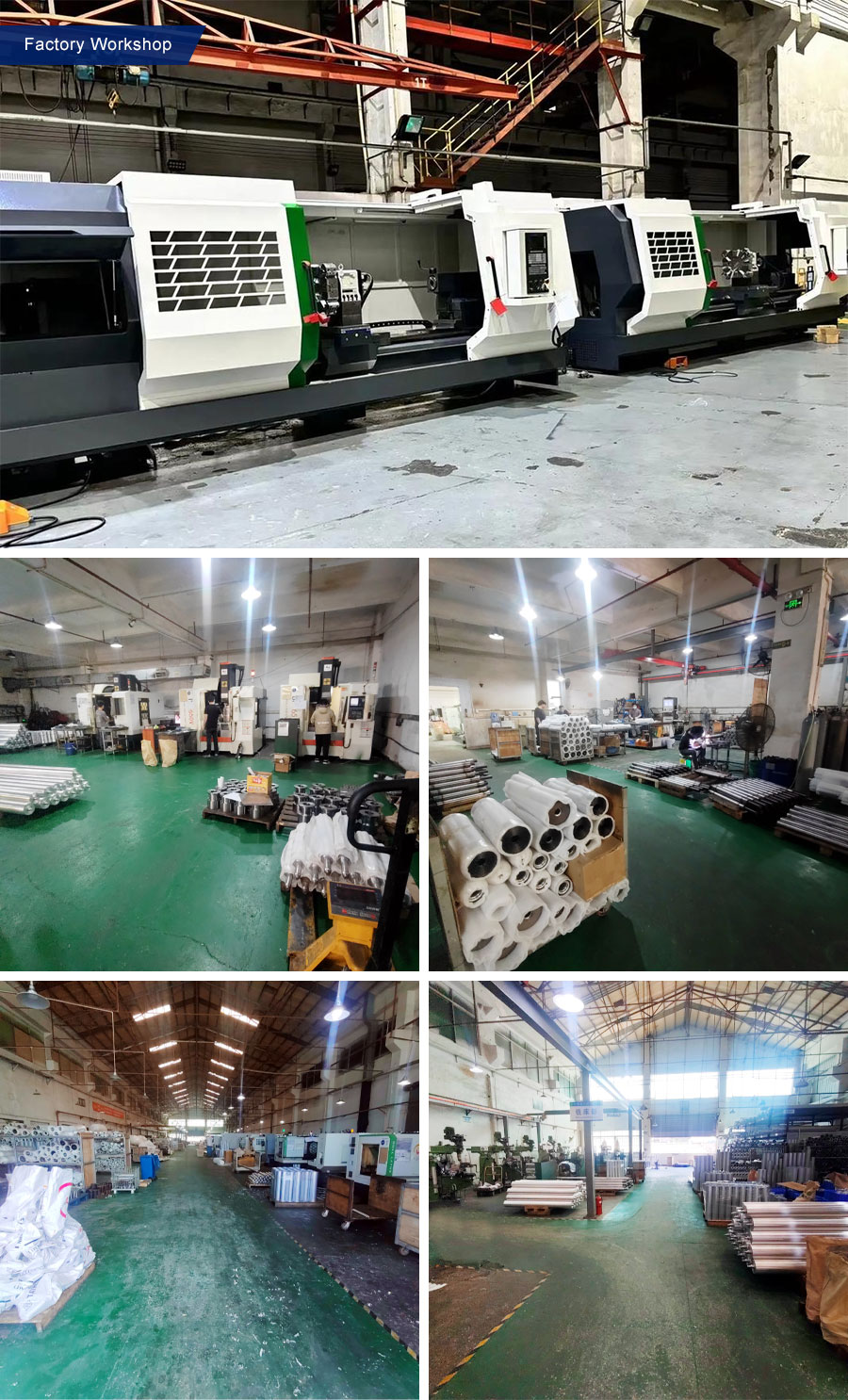
We are a direct manufacturing factory with over 20 years of expertise in high-end industrial rollers, casters and material handling solutions. Our facility operates with ISO-certified quality management systems, allowing us to maintain full control over production cycles and quality standards. Throughout two decades of growth, we have established deep, long-term strategic partnerships with several listed companies and global automation leaders, proving our reliability as a high-tier industrial supplier.
Q2. What are your main products?
AstraRoll specializes in the engineering and production of three core product lines: Industrial Rollers, Heavy-Duty Wheels, and Precision Casters. We do not just sell components; we provide integrated movement and transport solutions. Our products are widely utilized across high-demand sectors, including: New Energy, Lithium Battery, Mining, Heavy Industry, Medical Institutional, Agriculture and Logistics.
Q3. What about delivery time?
We deeply understand that project timelines are critical.
Standard Products: Usually dispatched within 7–15 working days if the components are in stock.
Customized/OEM Orders: Depending on the complexity and volume, the lead time typically ranges from 20–35 days. This includes time for technical drawing confirmation, specialized tooling, and rigorous pre-shipment testing.
Shipping Methods: We offer flexible global logistics solutions, including FOB and CIF terms. We ship via Sea Freight (for bulk industrial orders), Air Freight (for urgent project needs), and International Express (DHL/FedEx/TNT) for smaller components or samples.
Q4. How can I get a quote for customized products?
Since a significant portion of our business involves specialized engineering, pricing is tailored to your specific technical requirements. To provide an accurate quote, please provide the following details: Technical Drawings or Sketches, Application Environment, Quantity, Special Requests. Our engineering team typically reviews and responds to custom inquiries with a formal quotation within 24–48 hours.
Q5. What is your payment?
TT / Paypal / Western Union / LC / Credit Card etc. are all available to us.