
Matte Roller
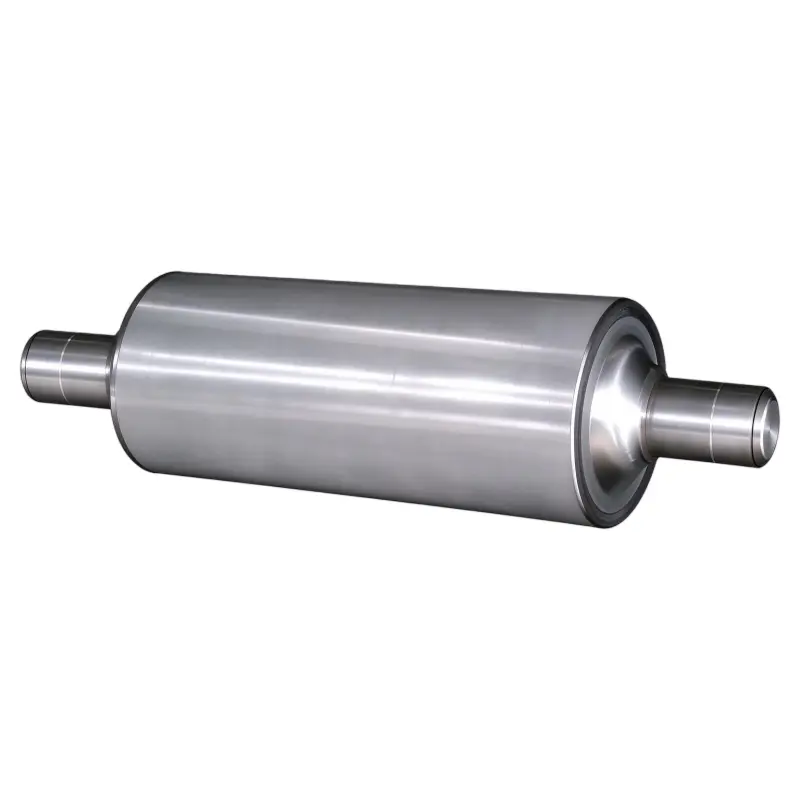
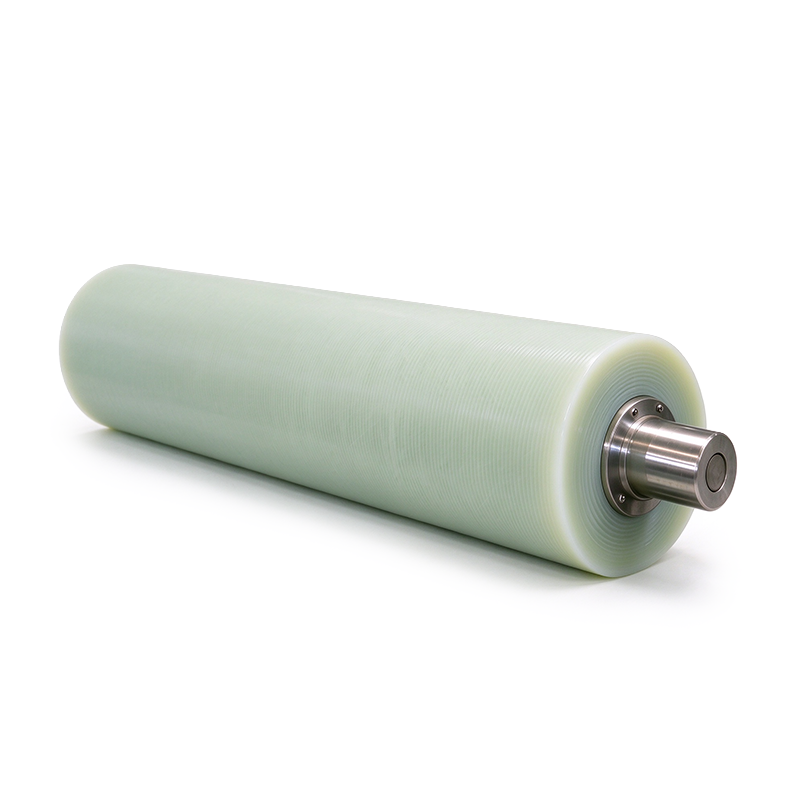
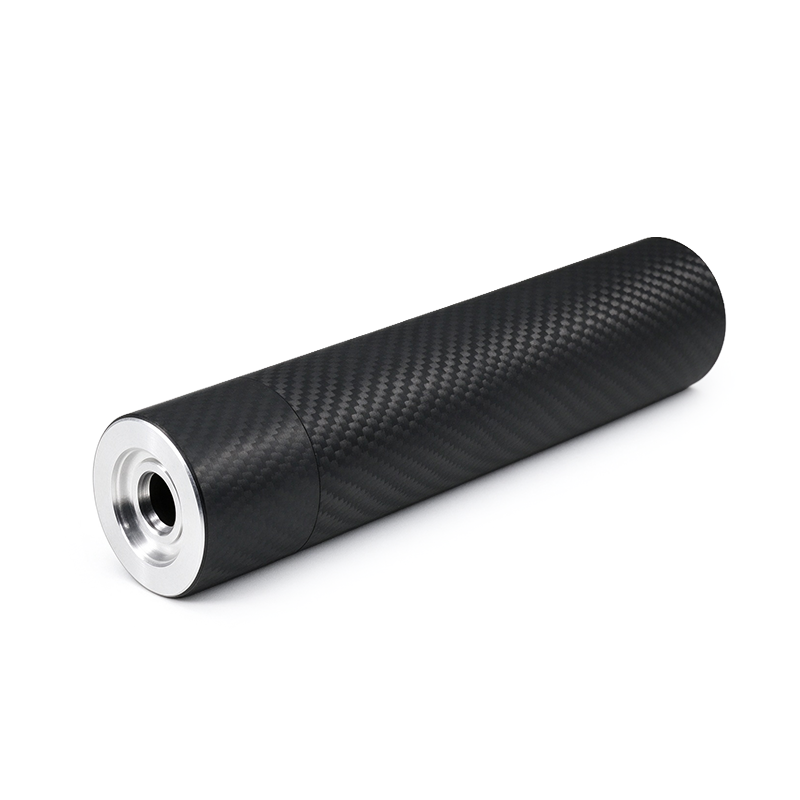
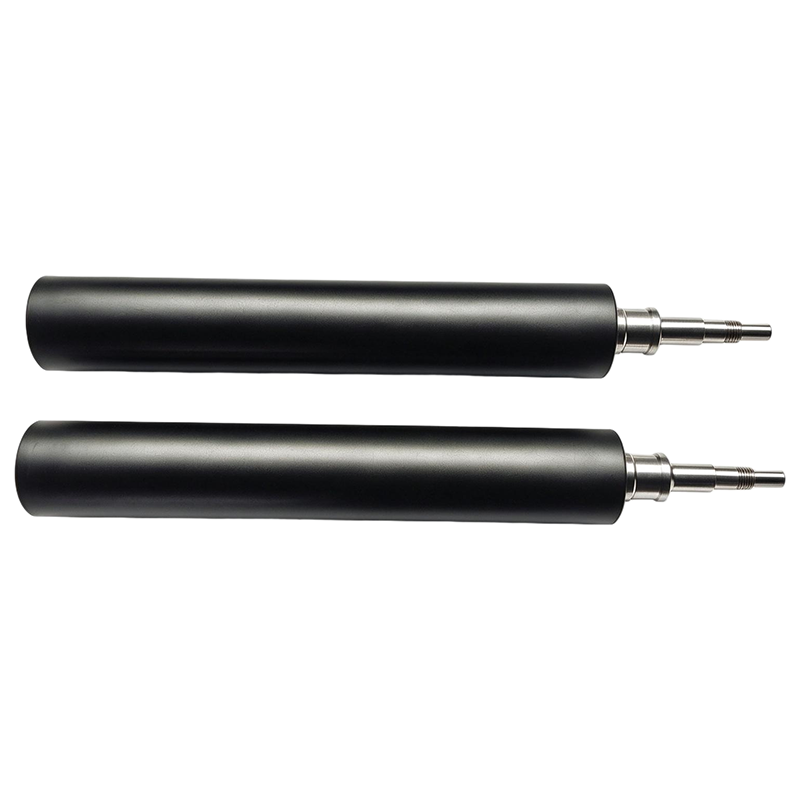
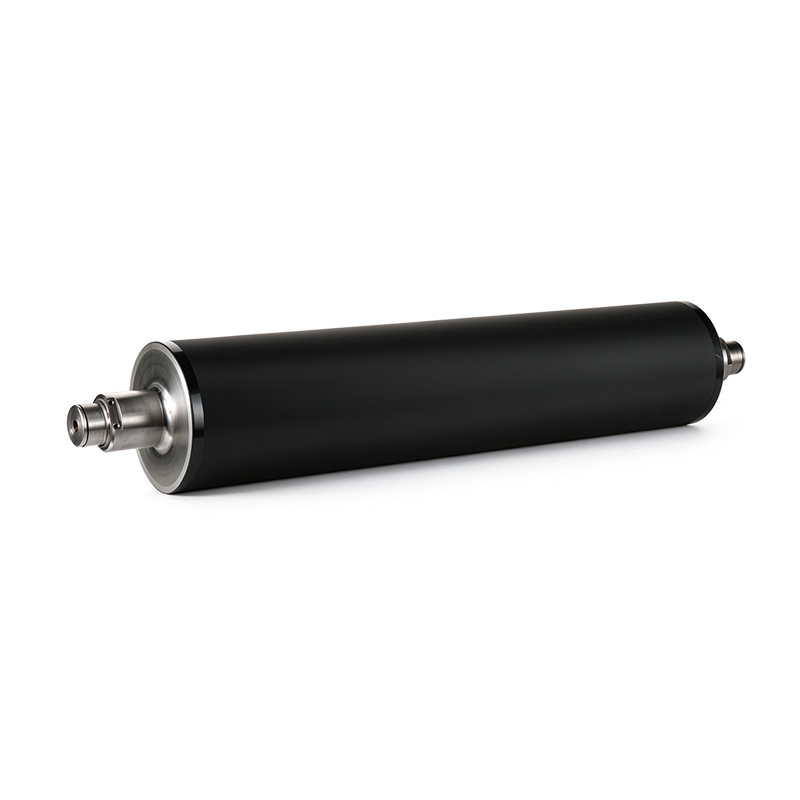
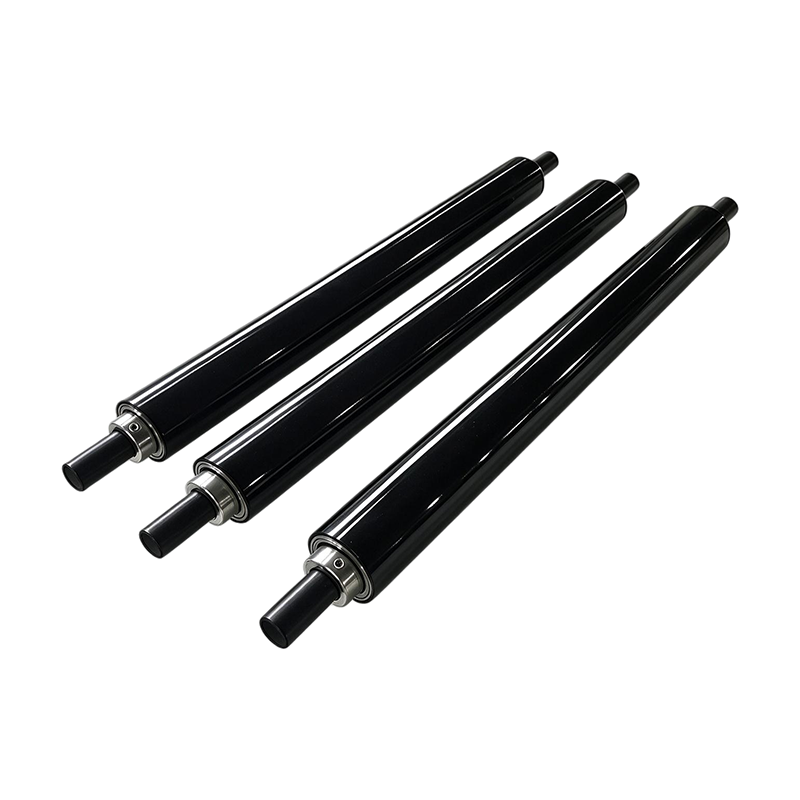
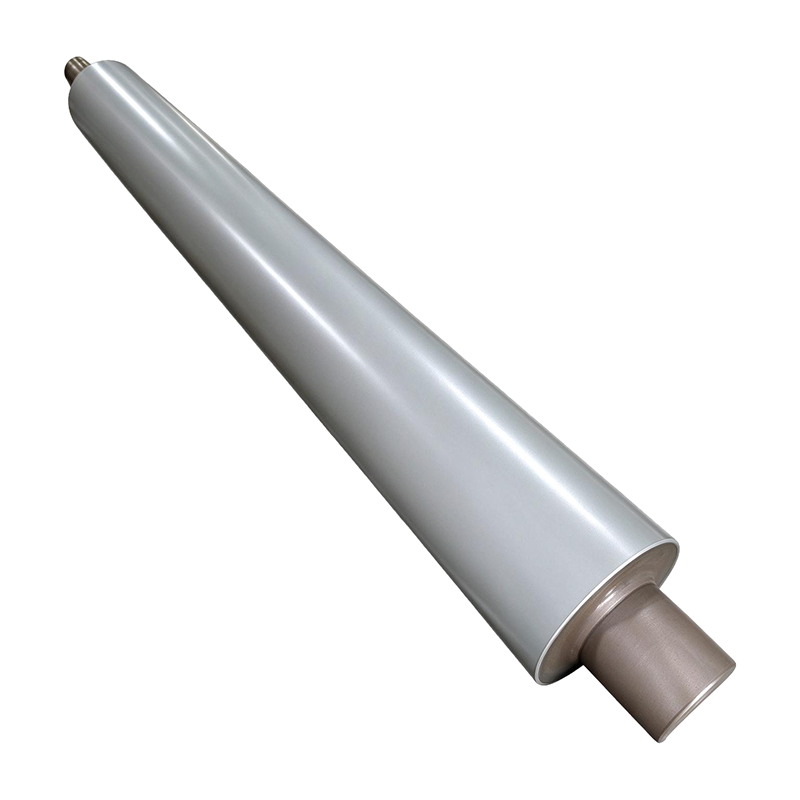
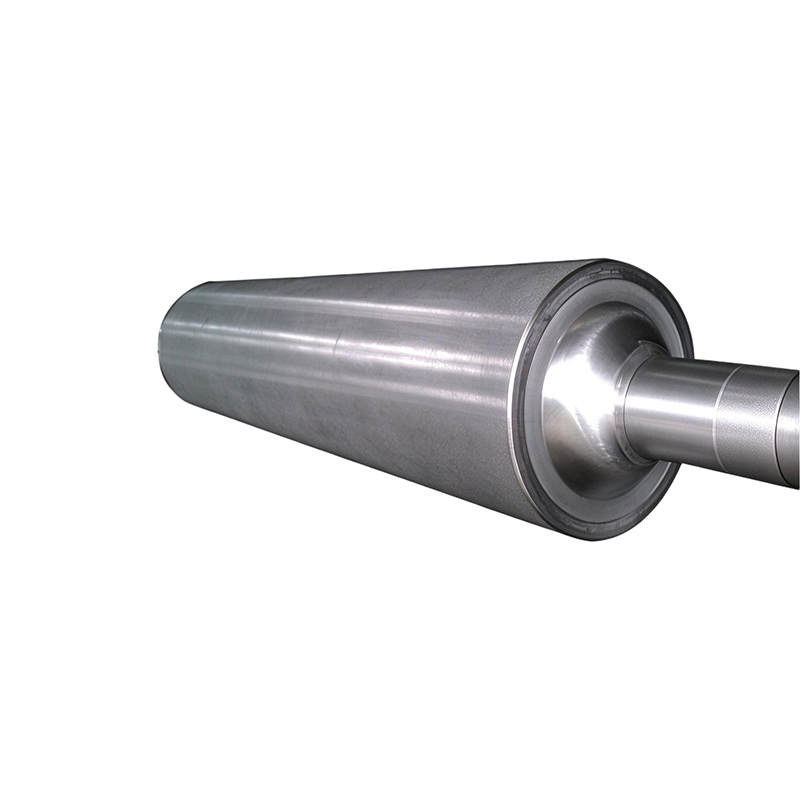
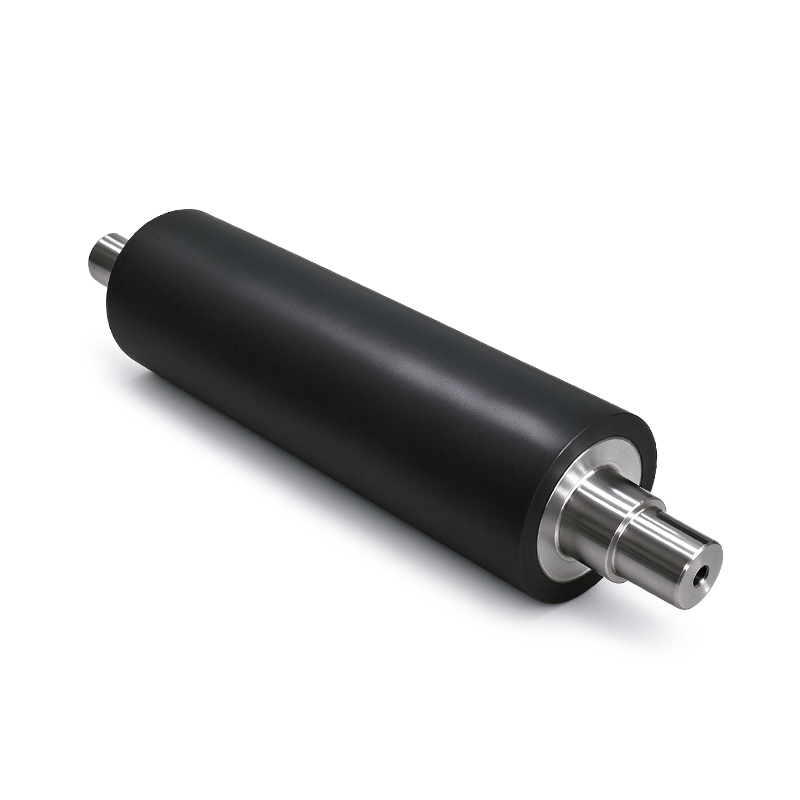
A matte roller is an industrial roller whose surface has been treated - by grit blasting, chemical etching or thermal-spray coating - to produce a uniform, low-gloss texture instead of a mirror polish. That engineered roughness solves real production problems: it keeps films, foils and paper from sticking to the roll, reduces glare and reflections, adds controlled friction, and improves ink and coating adhesion. At AstraRoll, we manufacture matte rollers to your exact specification - in steel, stainless steel, aluminium, rubber, silicone or polyurethane, in any diameter, length and journal design, with surface roughness precisely controlled to your Ra requirement. Tell us your application and drawing, and we'll engineer the right matte surface for your line.
Matte Roller FAQs
A matte (or matt) roller has a deliberately dulled, low-gloss surface produced by mechanical or chemical treatment rather than polishing. The most common methods are grit blasting into a hard chrome-plated deposit, sandblasting, chemical etching, or thermal-sprayed coatings. The result is a surface of controlled peaks and valleys - specified by surface roughness (Ra) - that reduces reflectivity, prevents sticking and adds friction. We recommend and produce the right method for your substrate and line conditions.
We manufacture matte rollers in steel, stainless steel, aluminium, carbon steel, rubber, silicone and polyurethane, and can control surface roughness from light matte (approx. 20–40 Ra) through medium (40–60 Ra) to coarser textured finishes, depending on your process. If your application needs a specific Ra value, we'll confirm the achievable tolerance with you before production and verify it on the finished roller.
Matte rollers are widely used in plastic film and sheet calendering (PVC, PET, BOPP), casting and coating lines, printing and rotogravure, paper and nonwoven processing, flexible packaging, metal sheet surface finishing, leather and decorative laminates, and anti-glare films for displays. If your line is handling films, foils, paper or coated surfaces that stick, glare or slip, a matte roller is often the answer.
Yes - custom manufacturing is our core business. Send us your drawing or basic parameters (diameter, face length, shaft type, material, surface finish and application), and our engineers will confirm the design, tolerances and surface specification before we produce. We regularly build one-off and batch rollers for OEM and replacement applications.
Lead time depends on size, material and surface treatment, but standard custom matte rollers typically take 2–4 weeks from drawing confirmation. Our minimum order quantity is flexible — we welcome single-roller replacement orders as well as production runs. Contact us with your specification and we'll give you an accurate timeline and quote.
What you may want to know about Matte Roller
Matte rollers: the complete guide to low-gloss industrial rollers
In industrial roller manufacturing, surface finish is as important as dimensional accuracy. Where a mirror-finished roller (Ra below 0.05 µm) is specified for high-gloss, optically clear products, a matte roller is engineered for the opposite requirement: a controlled, low-gloss surface that changes how the roller interacts with the product it touches. The matte finish is typically produced by blasting abrasive grit into a hard chrome-plated surface, by sandblasting or chemical etching, or by applying thermal-sprayed coatings - each method creating a micro-texture of peaks and valleys that can be specified and measured in Ra values. That texture serves several practical purposes.
First, it prevents adhesion: the microscopic air pockets between the roller and the web mean films, foils, papers and coated substrates release cleanly instead of sticking or "blocking".
Second, it reduces glare and reflection, which matters for anti-glare films, display materials and low-light environments.
Third, it increases surface friction and traction, improving web control, winding and handling. And fourth, it improves the adhesion of inks, coatings and adhesives, which is why matte rollers are standard in printing, gravure, coating and laminating lines. Matte rollers are manufactured in a wide range of materials - from hard chrome-plated steel and stainless steel to rubber, silicone and polyurethane covers - and in sizes from small guide rolls to wide-format calendering rolls. When specifying a matte roller, the key parameters are the base material, the working diameter and face length, the journal or shaft design, the required surface roughness (Ra), and the operating conditions of your line: temperature, chemical exposure and web tension. Choosing the right matte surface is a matter of engineering, not guesswork. AstraRoll manufactures custom matte finish rollers for plastic film and sheet production, printing and packaging, paper and nonwoven processing, metal surface finishing and many other applications - each one made to your drawing, with surface roughness verified before delivery. If you are replacing a worn matte roller, upgrading from a glossy finish, or designing a new line, send us your specifications and our engineers will recommend the right material, surface treatment and Ra value for your process. Contact AstraRoll today for a quote on custom matte rollers, or for help selecting the correct matte finish for your application.