
Air Shaft
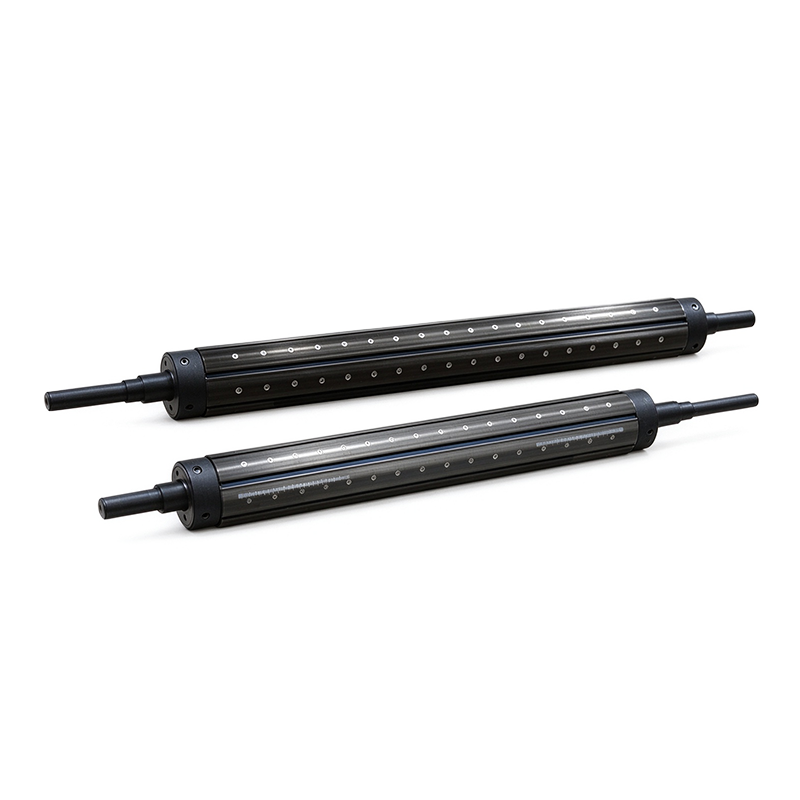
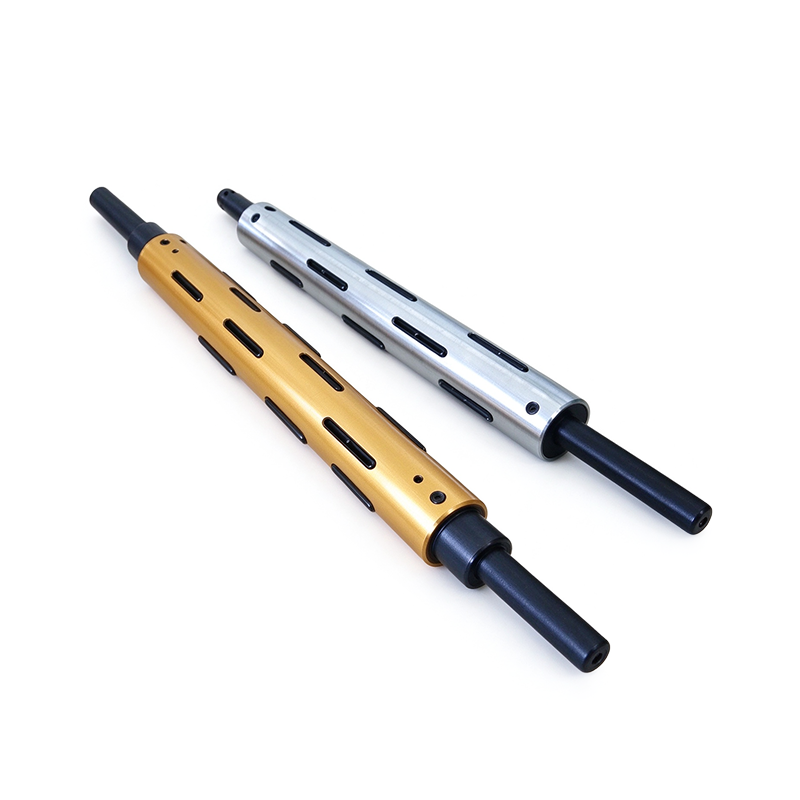
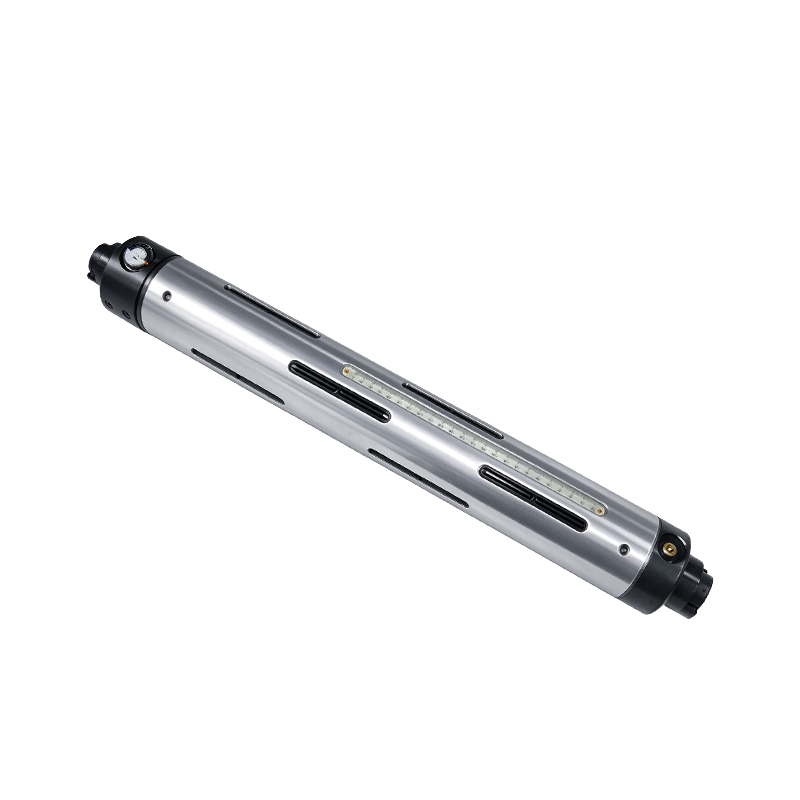
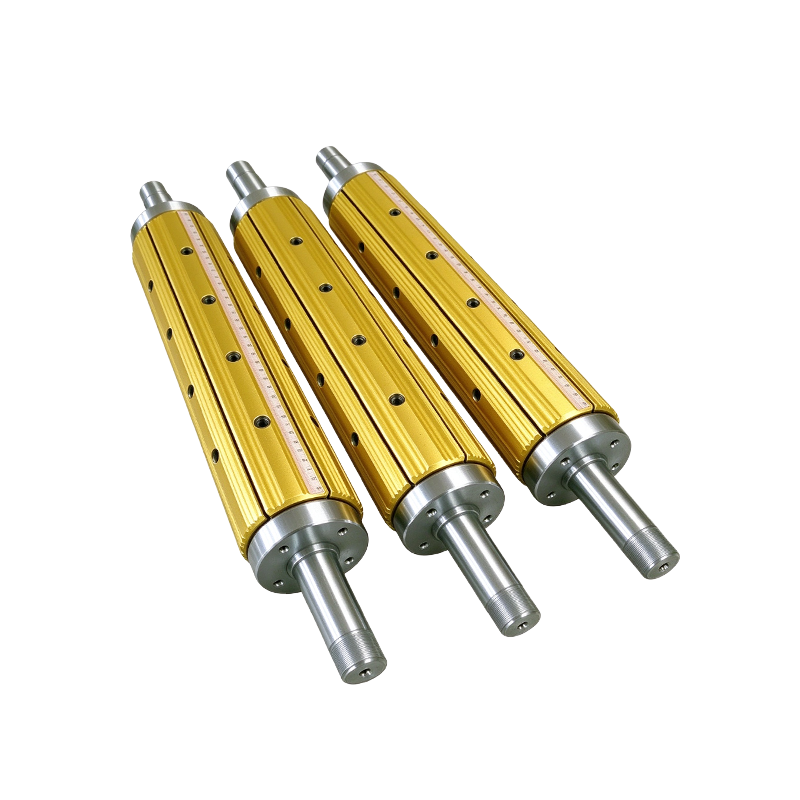
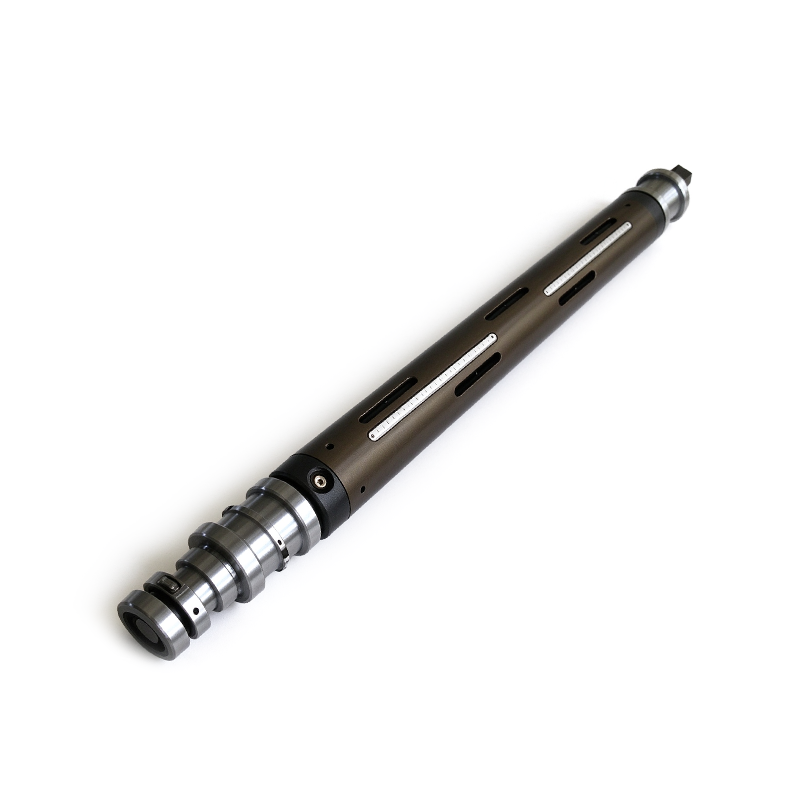
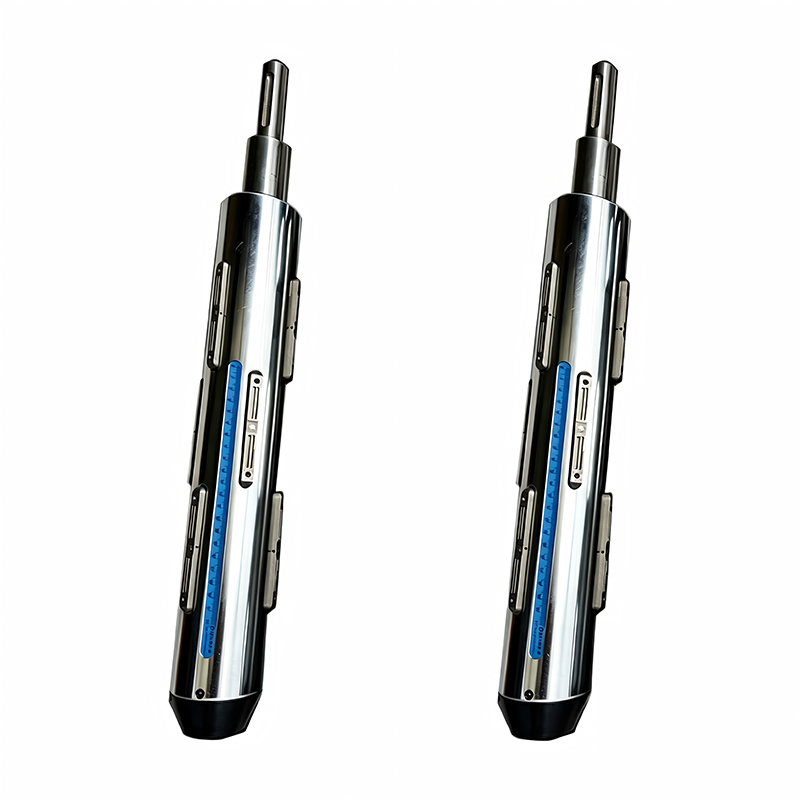
Air Shaft - also known as pneumatic air shafts - are the quick-change heart of every winding and unwinding process. AstraRoll manufactures custom inflatable shafts in lug (button), leaf (blade) and differential configurations, machined from high-strength steel or lightweight aluminium, with diameters and lengths engineered to your exact core and load requirements. Every shaft is CNC-machined in-house, dynamically balanced, and 100% pressure-tested before shipment. Whether you run a flexo press, a slitter-rewinder, a coating line or a packaging converting line, we supply a shaft that locks your cores instantly, runs true at speed, and outlasts the imported alternative - at factory-direct prices. Tell us your core ID, web width and roll weight, and we'll engineer the right shaft for your machine.
Air Shaft FAQs
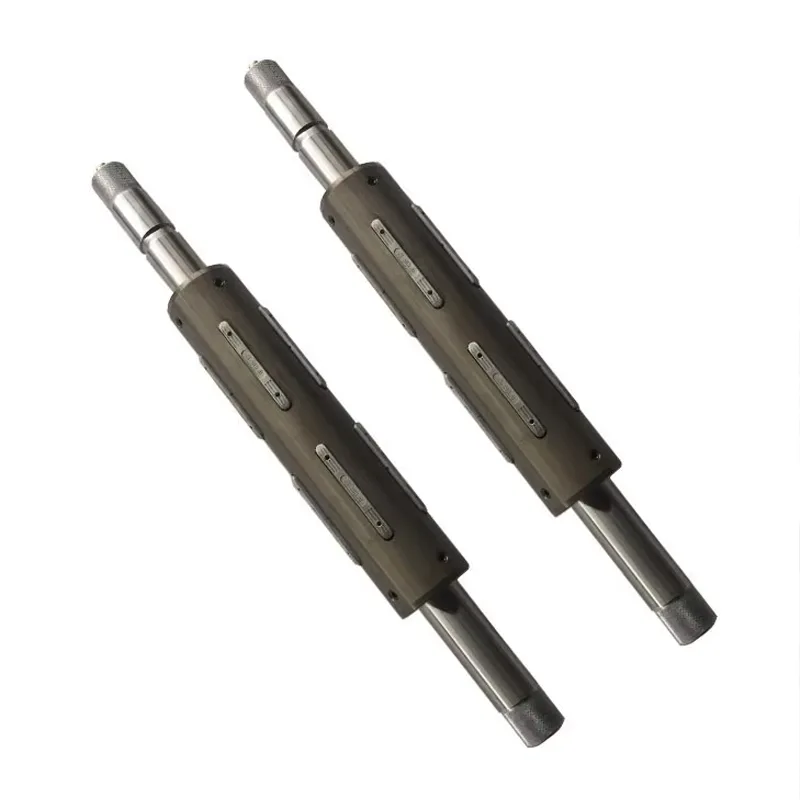
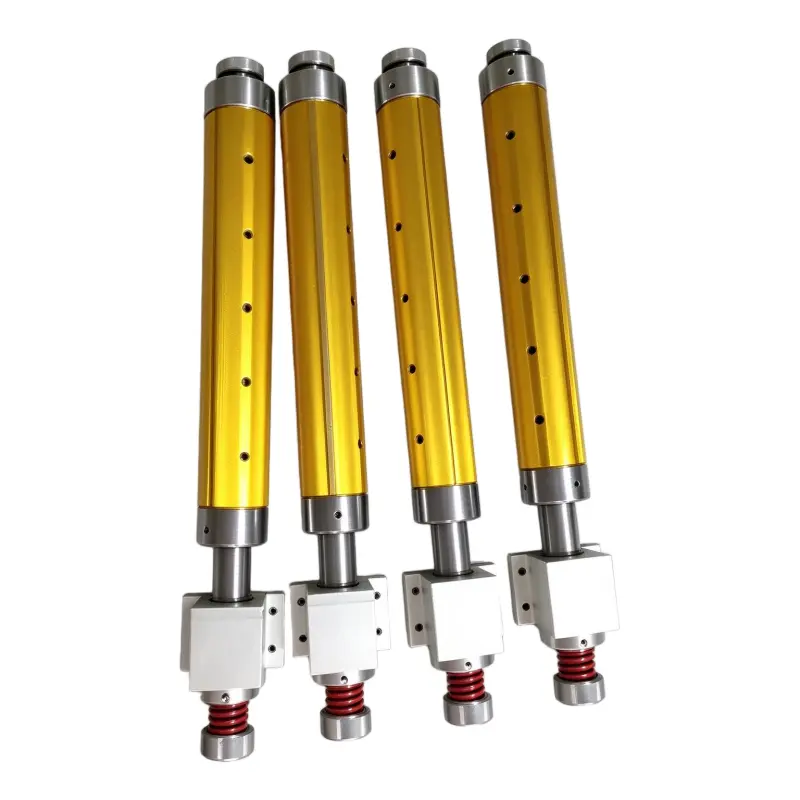
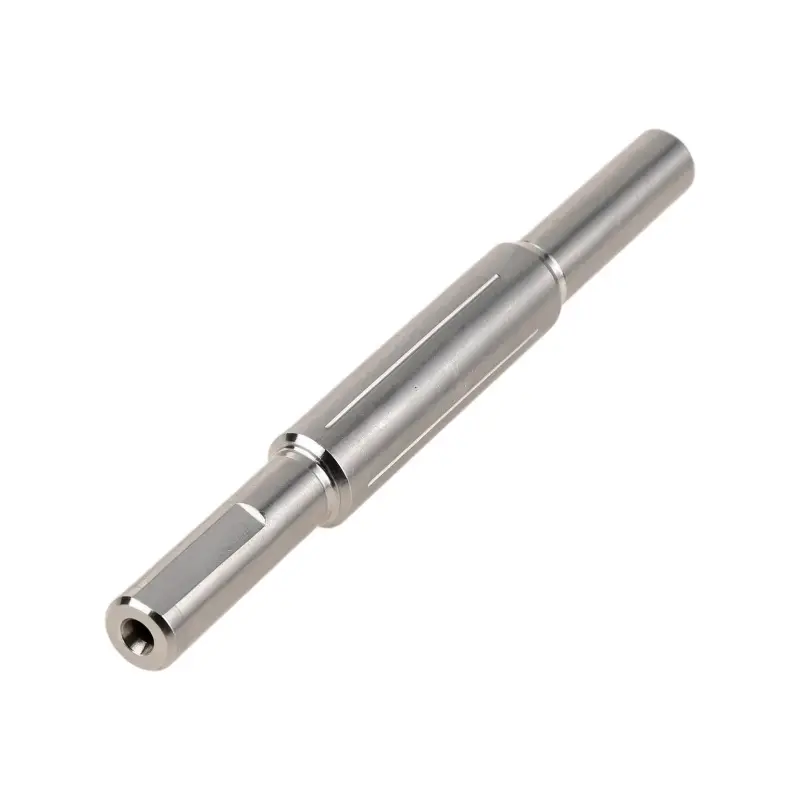
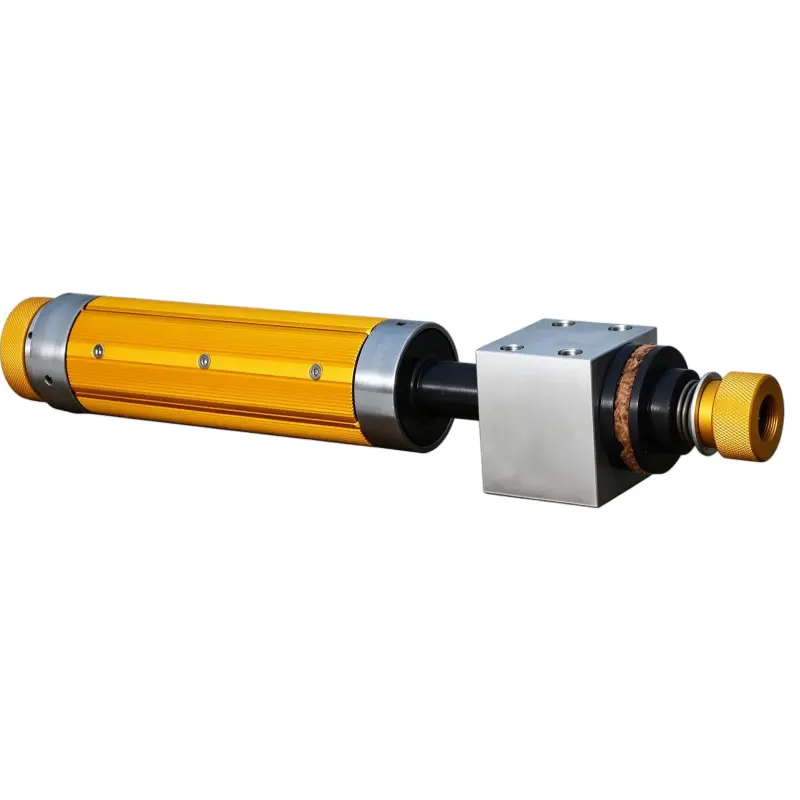
We make the three main types: lug (button) shafts, with expanding lugs for paper, plastic and foil cores; leaf (blade) shafts, with full-width expanding leaves for light, thin-walled cores and high-speed applications; and differential (slip) shafts, with independently slipping segments for winding multiple rolls of different widths or tensions simultaneously. All three are available in steel or aluminium, with internal or external bladder designs.
Three numbers matter most: the core inside diameter (which fixes the shaft diameter), the web width (which fixes the shaft length and the number of lugs/leaves), and the maximum roll weight (which determines the shaft body strength and deflection limit). Send us those three figures plus your line speed, and our engineers will calculate the correct diameter, wall thickness, lug count and material - including the deflection check that prevents sagging and vibration at speed.
Yes - this is one of our most common orders. We reverse-engineer from your drawings, samples or a few key measurements, and manufacture drop-in replacements for most European, Japanese and American shaft brands, at a fraction of the cost and with much shorter lead times. If you can measure it, we can match it.
Standard operating pressure is 0.4–0.7 MPa (4–7 bar), via a rotary union, quick-connect coupling or manual air valve depending on your machine. Each shaft is pressure-tested at 1.0 MPa before dispatch, and we supply the inflation fittings to suit your existing air supply.
Standard sizes ship within 2–4 weeks; custom diameters and differential shafts typically 3–5 weeks depending on specification. Every AstraRoll inflatable shaft carries a 12-month warranty covering workmanship and materials, and our engineers are available for technical support for the life of the shaft.
What you may want to know about Air Shaft
Air Shaft Section Supplement: From Type Selection to Custom Delivery
This supplement to AstraRoll’s Air Shaft section focuses on the practical questions that come after a customer has seen the basic shaft types: which shaft fits my machine, what information is needed for a custom build, and what should I check before delivery? The four common air shaft types-keyed, slip-on, tile-type, and carbon fiber-are introduced in the main section. Here we add the selection and ordering details that help turn a type name into a workable specification.
Quick Comparison: Matching the Shaft Type to the Working Condition
| Air Shaft Type | Main Advantage | Best-Fit Conditions | Typical Equipment |
|---|---|---|---|
| Keyed air shaft | High expansion force, uniform grip, good repeatability | General slitting, printing, coating; medium to heavy rolls; paper or plastic cores | Slitting machines, printing presses, coating machines |
| Slip-on air shaft | Fast contraction, easy loading and unloading, strong support | Wide web, large roll diameter, heavy load; frequent roll changes | Printing, slitting, coating, laminating lines |
| Tile-type air shaft | Stable tension, large contact area, low core damage | High precision, high tension, long roll lengths | Printing, slitting, coating, laminating |
| Carbon fiber air shaft | Lightweight, rigid, rust-free | High-speed operation and weight-sensitive lines | High-speed printing, film slitting, lithium battery, precision coating |
The key point is that the most specialized shaft is not always the right shaft. A heavy wide-web line may benefit more from a slip-on or keyed design, while a high-speed film line may value the lower rotating weight of carbon fiber. AstraRoll reviews the actual roll, core, speed, and tension conditions before recommending a configuration.
Matching the Shaft to the Machine and Application
Air shafts are used across slitting machines, printing presses, printers, coating machines, paper machines, leather processing machines, laminating lines, and packaging equipment. Each machine places different demands on the shaft:
- Slitting machines need reliable grip and stable tension across multiple rolls.
- Printing presses need smooth rotation and repeatable registration.
- Coating machines need consistent web tension to avoid coating thickness variation.
- Paper and leather machines may need careful core handling and resistance to dust or contamination.
- High-speed film and lithium battery lines may prioritize low weight, rigidity, and precise expansion.
For this reason, AstraRoll does not treat an air shaft as a generic accessory. The shaft is specified around the machine interface, the roll core, and the material being handled.
What AstraRoll Needs for a Custom Air Shaft
AstraRoll provides custom machining for air shafts and related web-handling components based on customer drawings and application requirements. To quote and manufacture accurately, the following information is useful:
- Shaft drawing or sketch - overall length, journal dimensions, keyways, mounting interface, and air inlet position.
- Core inner diameter and tolerance - this determines the expansion structure and grip range.
- Maximum roll weight and roll diameter - for load capacity and structural design.
- Web width and material type - film, paper, foil, label stock, nonwoven, leather, etc.
- Line speed and tension range - to match expansion force and repeatability.
- Loading and unloading method - manual, overhead crane, or automated handling.
- Air supply pressure and connection - to confirm the expansion and release behavior.
- Operating environment - dust, humidity, corrosion, or food/medical cleanliness requirements, if applicable.
With these details, AstraRoll can recommend a shaft type, confirm the expansion structure, and machine the shaft to fit the line rather than forcing the line to fit a standard shaft.
Manufacturing, Inspection, and Delivery Notes
A well-performing air shaft depends on more than the type name. Dimensional fit, straightness, journal quality, expansion uniformity, and air sealing all affect whether the shaft loads easily and holds tension consistently.
AstraRoll focuses on:
- Machining to the customer's drawing and interface dimensions
- Stable expansion and release behavior
- Repeatable grip for consistent roll changes
- Protection of journals and shaft bodies during transport
- Export-ready wooden case packaging for safe delivery
For overseas customers, packaging and protection matter as much as the shaft itself. A damaged journal or a bent shaft body can cause installation delays and extra cost. AstraRoll can supply shafts in sturdy wooden cases to help protect the product through transport.
A Practical Selection Reminder
Before choosing an air shaft, ask:
- Is the line handling one wide roll or multiple rolls?
- Is the core paper, plastic, aluminum, or composite?
- Is the load light, medium, or heavy?
- Is the priority speed, tension precision, core protection, or quick changeover?
- Does the shaft need to match an existing machine interface?
AstraRoll can help answer these questions and turn them into a custom air shaft specification. If you have a drawing, a sample shaft, or simply the roll and machine details, contact AstraRoll to discuss the right air shaft solution for your line.