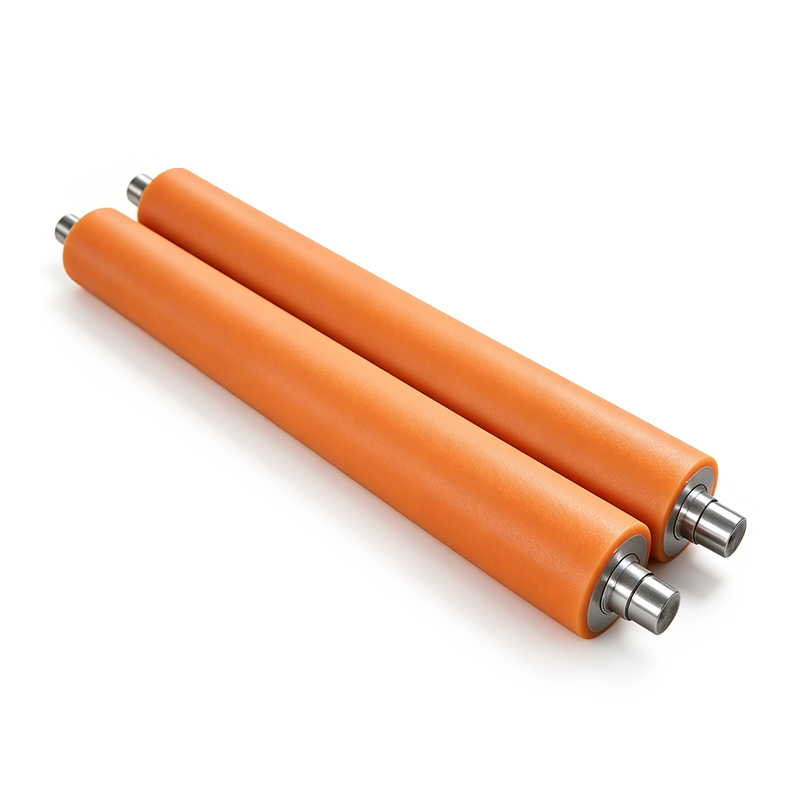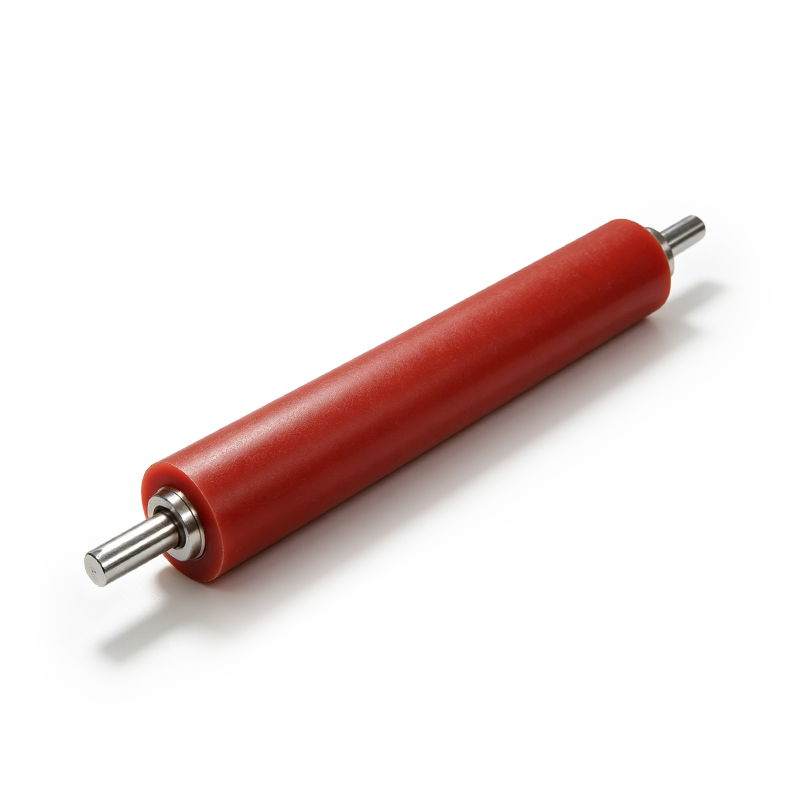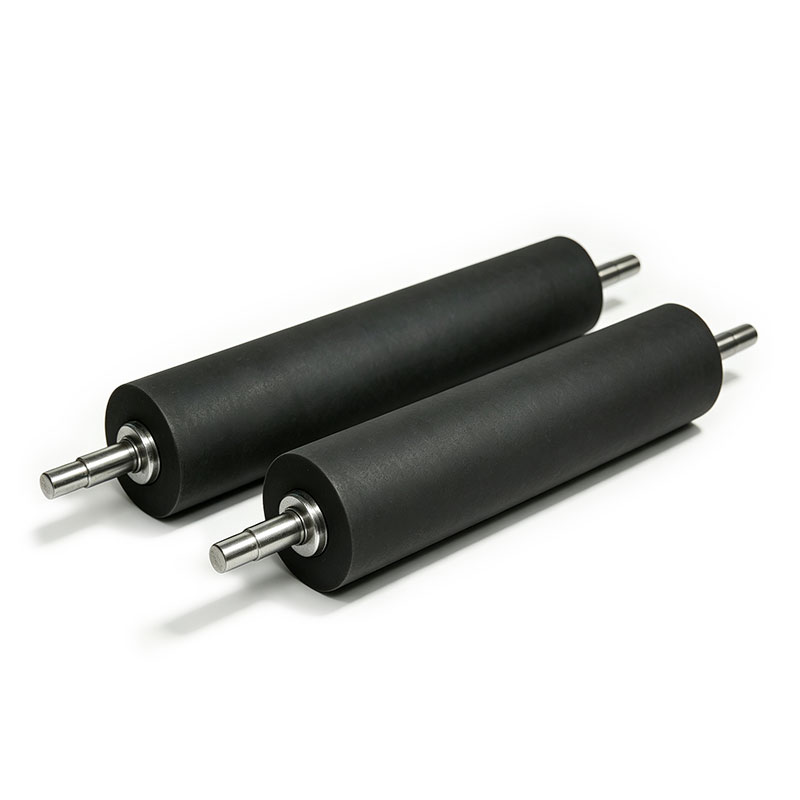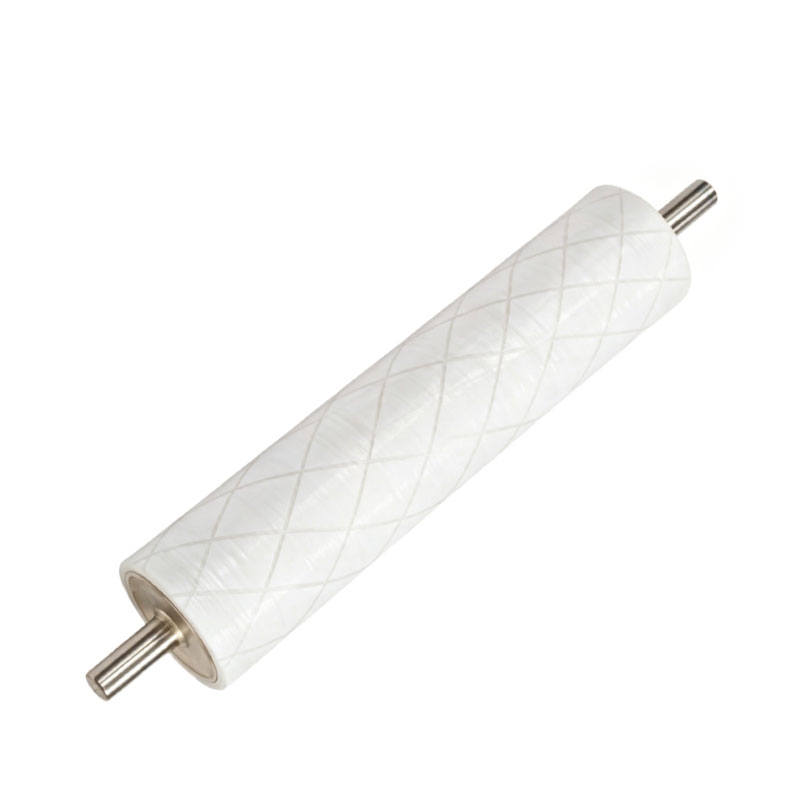
Anti-Static Silicone Rubber Roller Manufacturer
Product Overview:
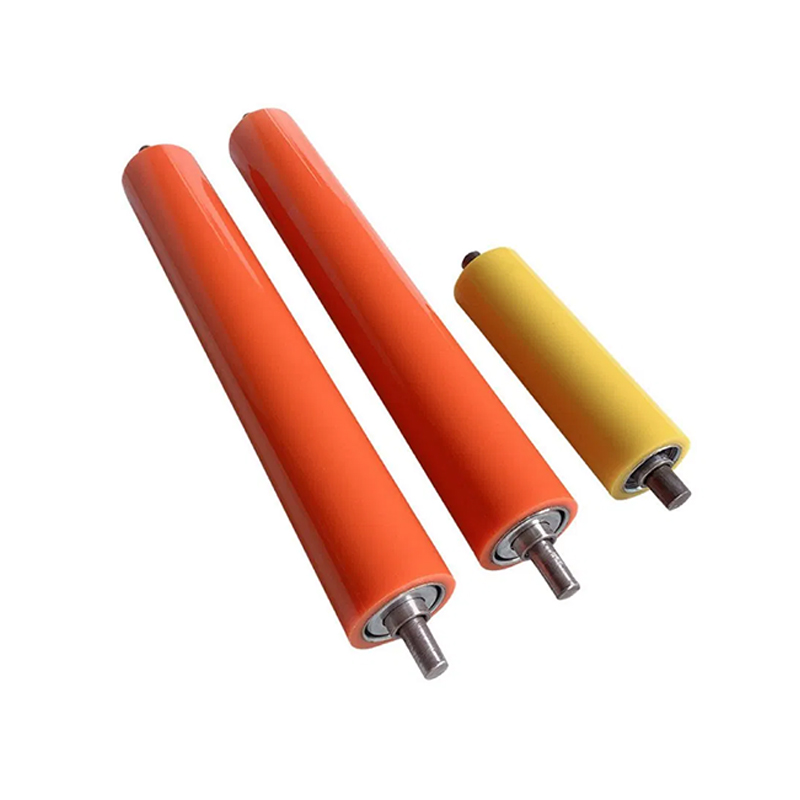
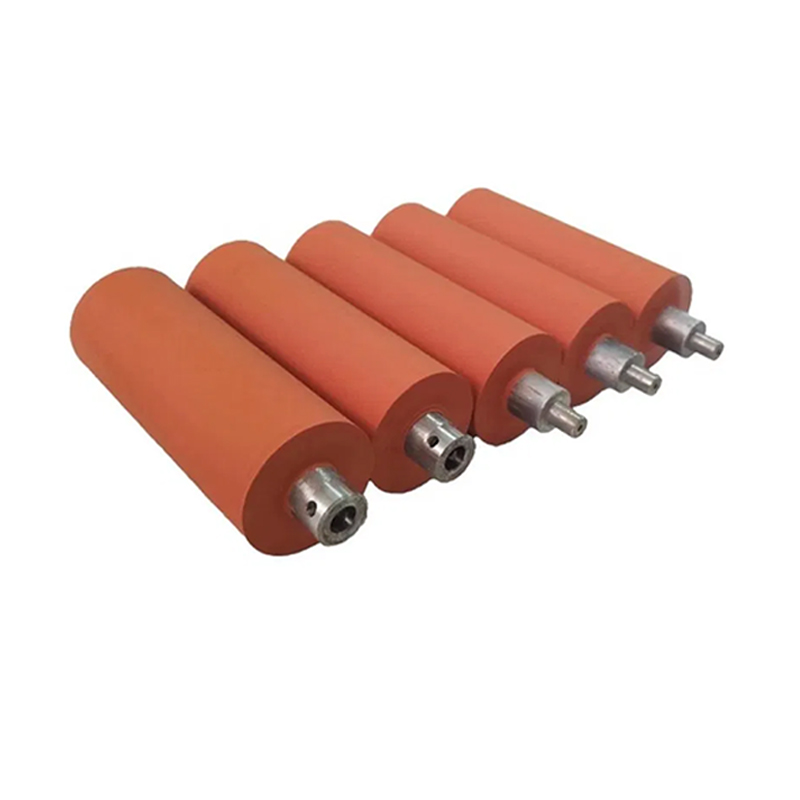
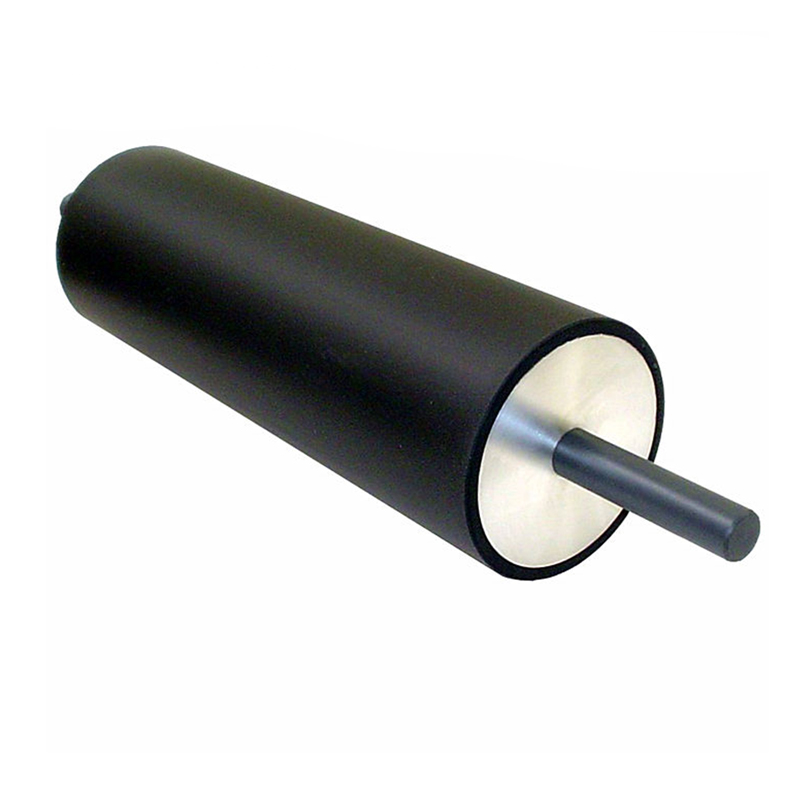
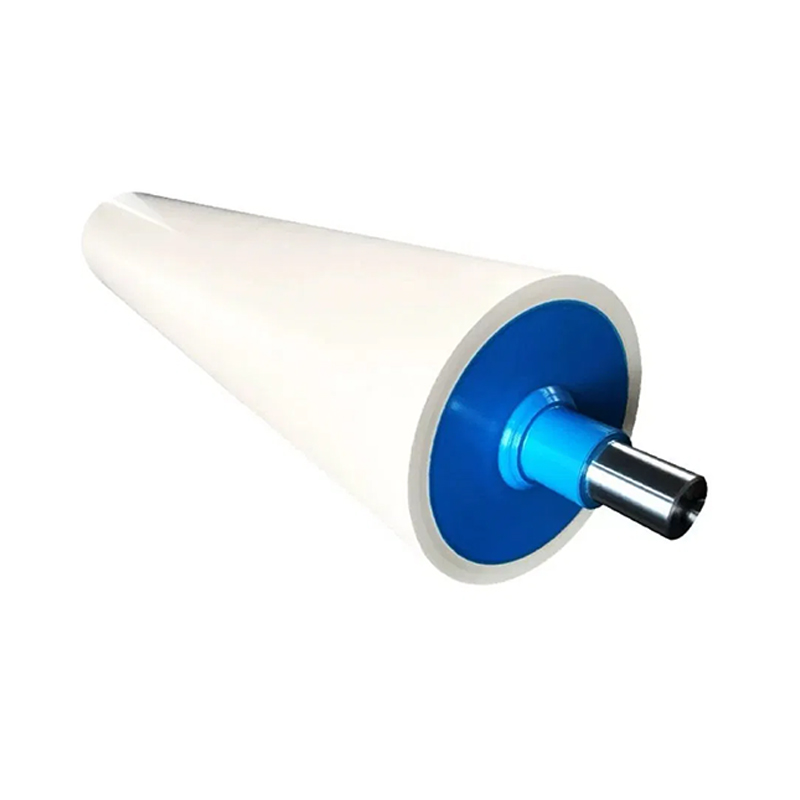
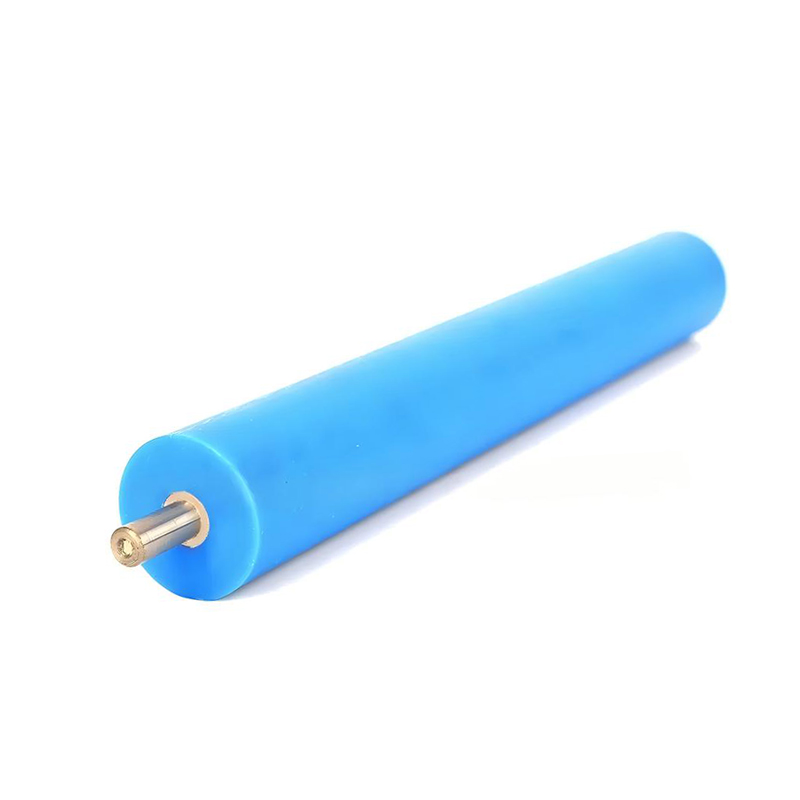
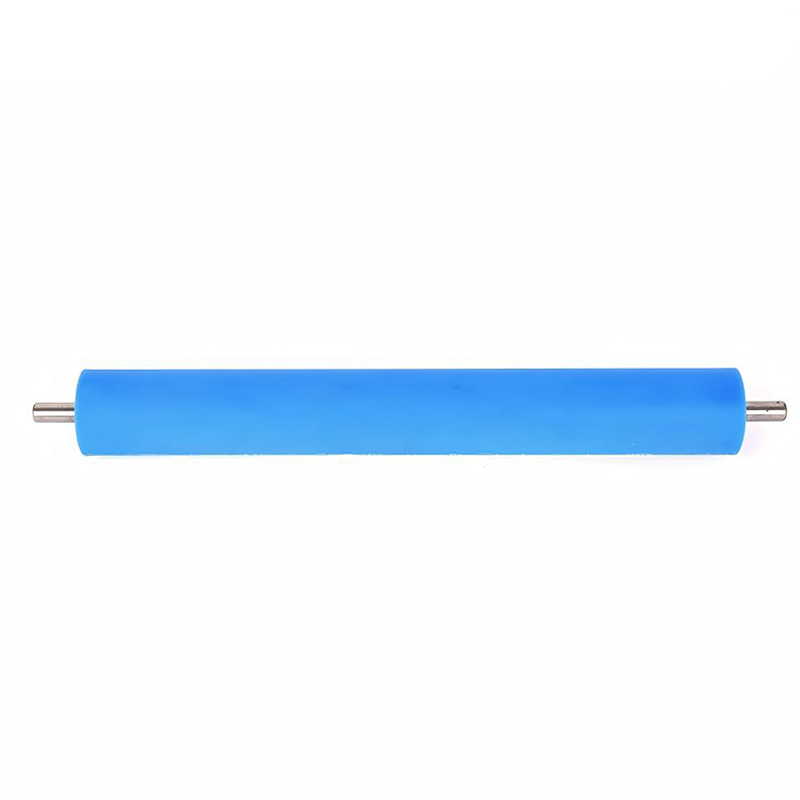
The Anti-Static Silicone Rubber Roller is designed to effectively eliminate static electricity during material processing, preventing dust attraction and surface contamination. Made from high-quality conductive silicone rubber, it combines excellent elasticity, heat resistance, and stable anti-static performance.
Ideal for use in electronics, film processing, and precision manufacturing, this roller ensures clean, stable, and high-quality production results. AstraRoll offers fully customizable solutions to meet specific industrial requirements.
Roll Function: Spreader Roller
Industry Applications: Industry, Printing, Packaging, Glass, New Energy, Electronics
Inquiry Email: sales@astraroll.com
Anti-Static Silicone Rubber Roller Manufacturer Details
Features of AstraRoll's Anti-Static Silicone Rubber Roller
The AstraRoll Anti-Static Silicone Rubber Roller is engineered for precision applications where static control is critical. By incorporating conductive or anti-static additives into high-quality silicone rubber, the roller effectively dissipates static charges generated during processing, ensuring a clean and controlled production environment.
Unlike standard silicone rollers, this anti-static version prevents dust adhesion and material contamination, significantly improving product quality and reducing defect rates. Its excellent elasticity allows for uniform pressure distribution, while the heat-resistant properties ensure stable performance even in high-temperature processes.
The roller features a robust internal core combined with precision manufacturing and dynamic balancing, ensuring smooth rotation, minimal vibration, and long-term operational stability. Its non-stick surface further enhances processing efficiency by preventing material buildup.
With superior anti-static performance, durability, and adaptability, the AstraRoll anti-static silicone rubber roller is an ideal solution for high-precision industries requiring strict cleanliness and process control.
Key Attributes
Roller Surface: Conductive / Anti-static Silicone Rubber
Core: Carbon Steel / Stainless Steel
Shaft: Alloy Steel / Stainless Steel
Conductive Layer: Carbon-based or special anti-static compounds
Surface Treatment: Smooth Finish, Matte / Textured Surface, Anti-stick surface available, Anti-static functional surface treatment
Diameter: Customizable
Length: Customizable
Hardness: 20–90 Shore A
Surface Resistivity: Below 108 Ω (Customizable)
Temperature Resistance: Up to 250°C
Viscosity: Non-Viscous,Low-Viscosity, Medium-Viscosity, High-Viscosity, Extra-High Viscosity
Why Choose AstraRoll's Anti-Static Silicone Rubber Roller ?
AstraRoll anti-static silicone rubber rollers are designed for industries where cleanliness and precision are essential.
With advanced material formulation and strict production control, AstraRoll’s rollers provide stable and reliable static dissipation performance.
AstraRoll's products combine high-quality silicone materials, precision engineering, and dynamic balancing to ensure smooth operation and long service life.
AstraRoll offers full customization options, including dimensions, hardness, conductivity levels, and surface finishes to meet your exact application requirements.
FAQ
1.What is an anti-static silicone rubber roller?
An anti-static silicone rubber roller is a specially engineered industrial roller made from silicone rubber with conductive or static-dissipative properties. It is designed to safely eliminate static electricity generated during material processing, preventing dust attraction, product contamination, and electrostatic damage.
2. How does an anti-static roller eliminate static electricity?
The roller incorporates conductive fillers or anti-static compounds within the silicone material. During operation, static charges generated by friction are continuously dissipated through the roller surface and transferred safely to ground, preventing charge buildup on materials.
3. Why is static control important in industrial processes?
Static electricity can attract dust, cause material sticking, and even damage sensitive electronic components. In industries such as electronics, film, and cleanroom manufacturing, static control is essential to maintain product quality, reduce defects, and ensure safe operation.
4.What are the advantages of silicone material in anti-static rollers?
Silicone rubber offers excellent heat resistance, flexibility, and chemical stability. Combined with anti-static properties, it provides consistent pressure, non-stick performance, and reliable operation even in high-temperature or sensitive environments.
5. What is the difference between anti-static and conductive rollers?
Anti-static rollers dissipate static electricity at a controlled rate, while conductive rollers provide faster charge transfer. The choice depends on the sensitivity of the material and the level of static control required.

Q1. Are you a trader or direct factory?
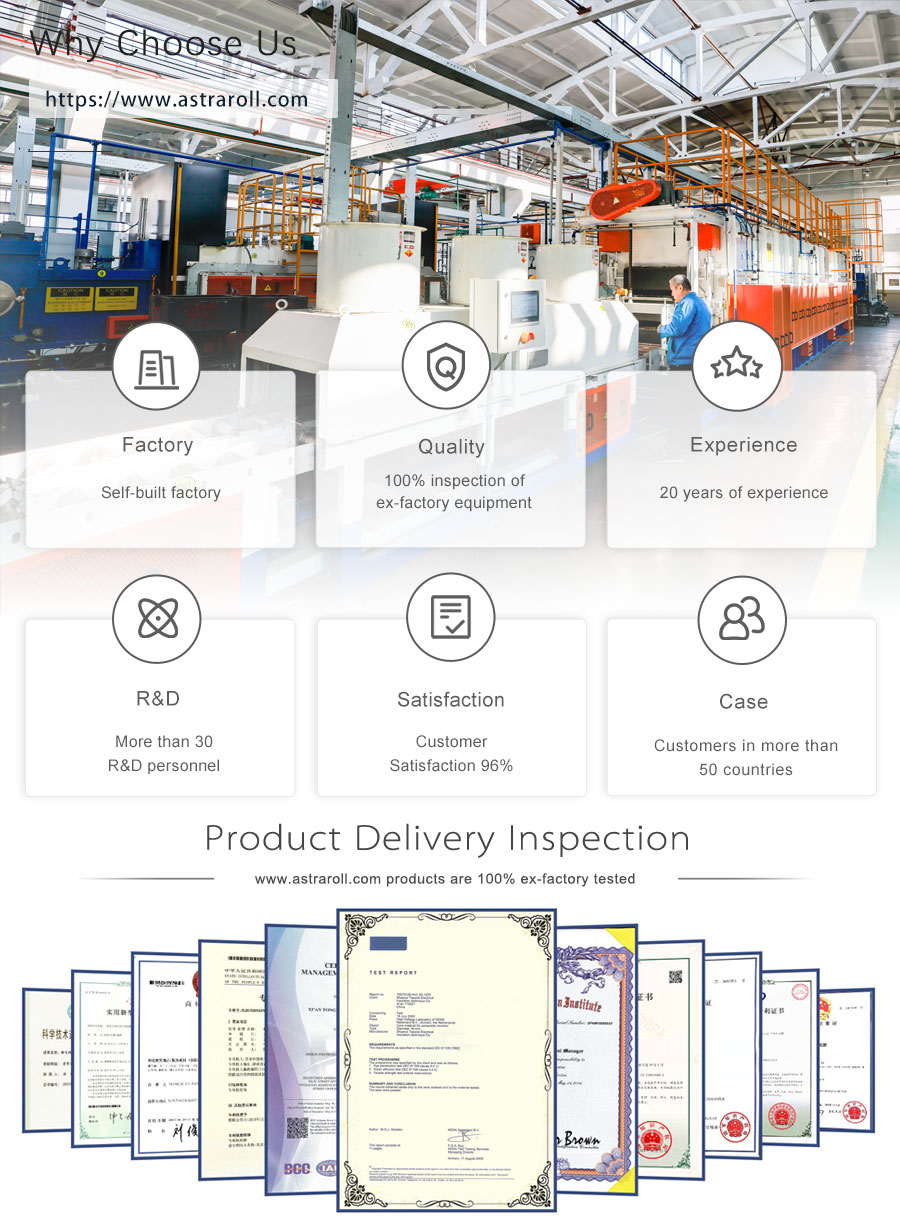
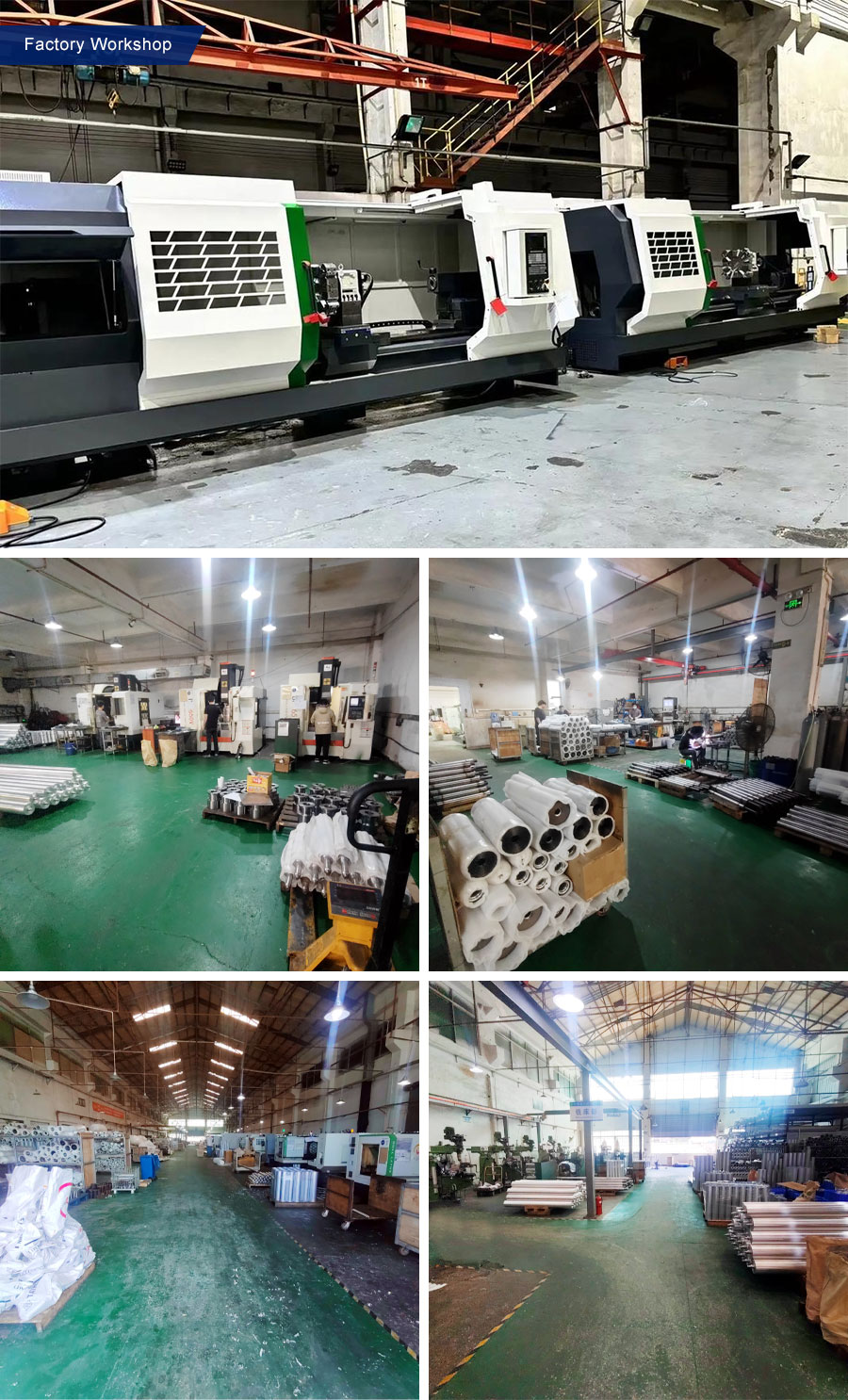
We are a direct manufacturing factory with over 20 years of expertise in high-end industrial rollers, casters and material handling solutions. Our facility operates with ISO-certified quality management systems, allowing us to maintain full control over production cycles and quality standards. Throughout two decades of growth, we have established deep, long-term strategic partnerships with several listed companies and global automation leaders, proving our reliability as a high-tier industrial supplier.
Q2. What are your main products?
AstraRoll specializes in the engineering and production of three core product lines: Industrial Rollers, Heavy-Duty Wheels, and Precision Casters. We do not just sell components; we provide integrated movement and transport solutions. Our products are widely utilized across high-demand sectors, including: New Energy, Lithium Battery, Mining, Heavy Industry, Medical Institutional, Agriculture and Logistics.
Q3. What about delivery time?
We deeply understand that project timelines are critical.
Standard Products: Usually dispatched within 7–15 working days if the components are in stock.
Customized/OEM Orders: Depending on the complexity and volume, the lead time typically ranges from 20–35 days. This includes time for technical drawing confirmation, specialized tooling, and rigorous pre-shipment testing.
Shipping Methods: We offer flexible global logistics solutions, including FOB and CIF terms. We ship via Sea Freight (for bulk industrial orders), Air Freight (for urgent project needs), and International Express (DHL/FedEx/TNT) for smaller components or samples.
Q4. How can I get a quote for customized products?
Since a significant portion of our business involves specialized engineering, pricing is tailored to your specific technical requirements. To provide an accurate quote, please provide the following details: Technical Drawings or Sketches, Application Environment, Quantity, Special Requests. Our engineering team typically reviews and responds to custom inquiries with a formal quotation within 24–48 hours.
Q5. What is your payment?
TT / Paypal / Western Union / LC / Credit Card etc. are all available to us.