
China Roller Factory
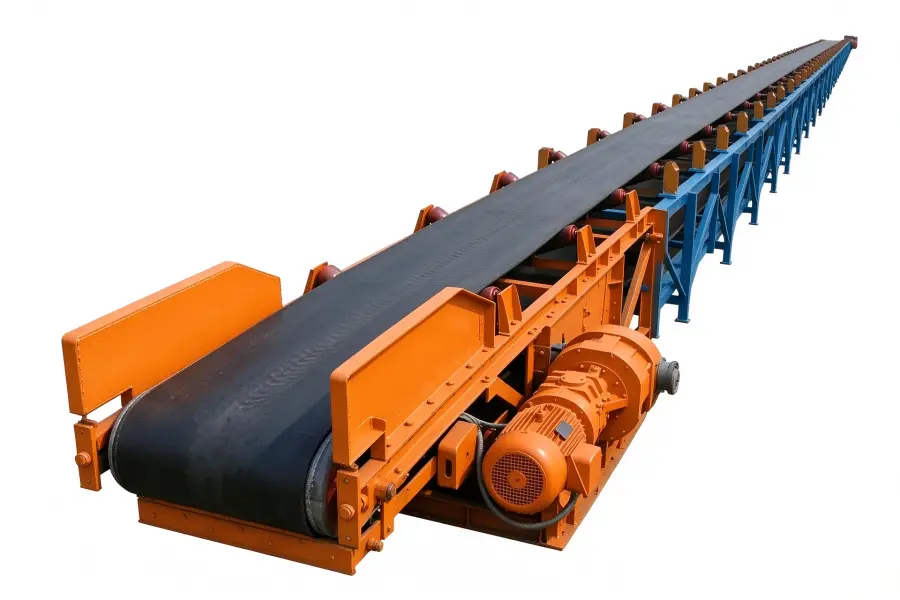
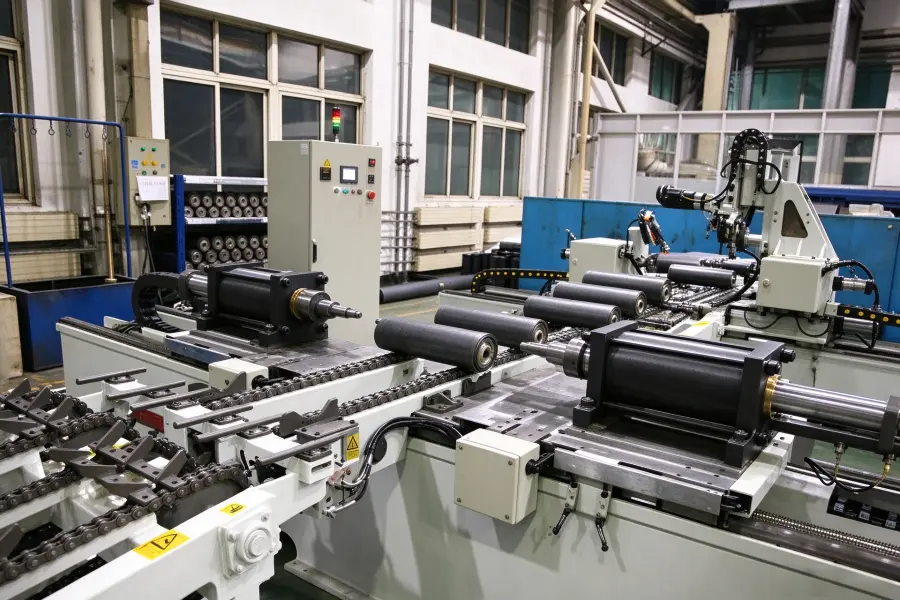
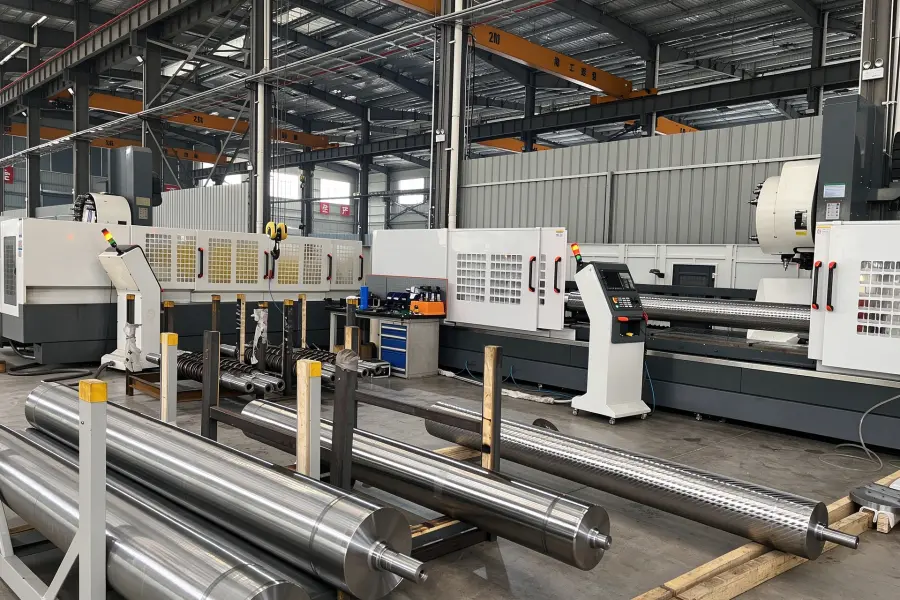
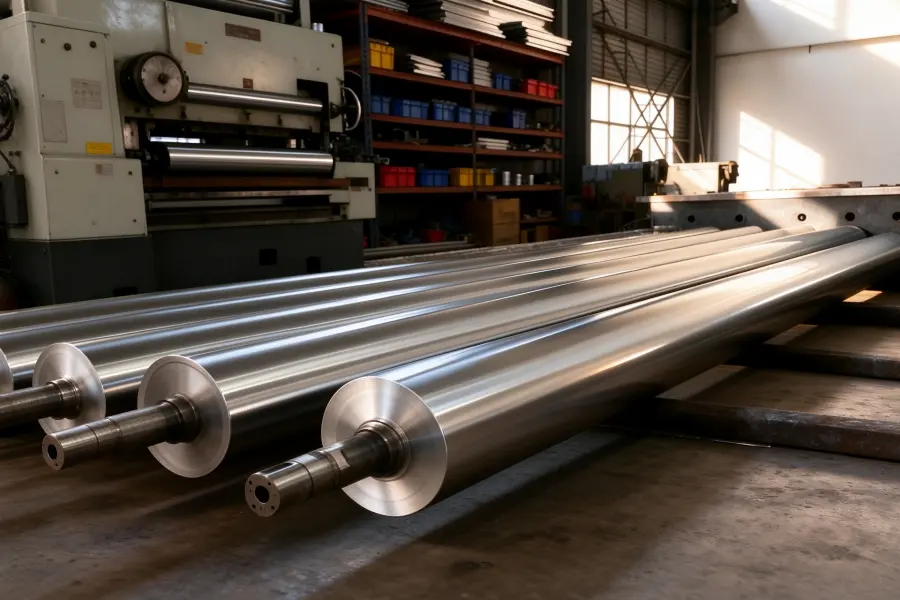
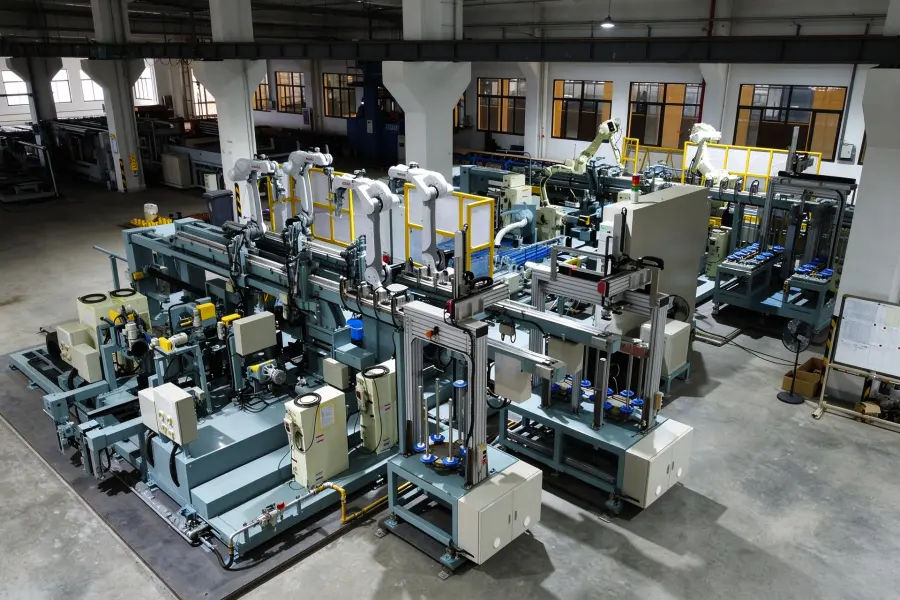
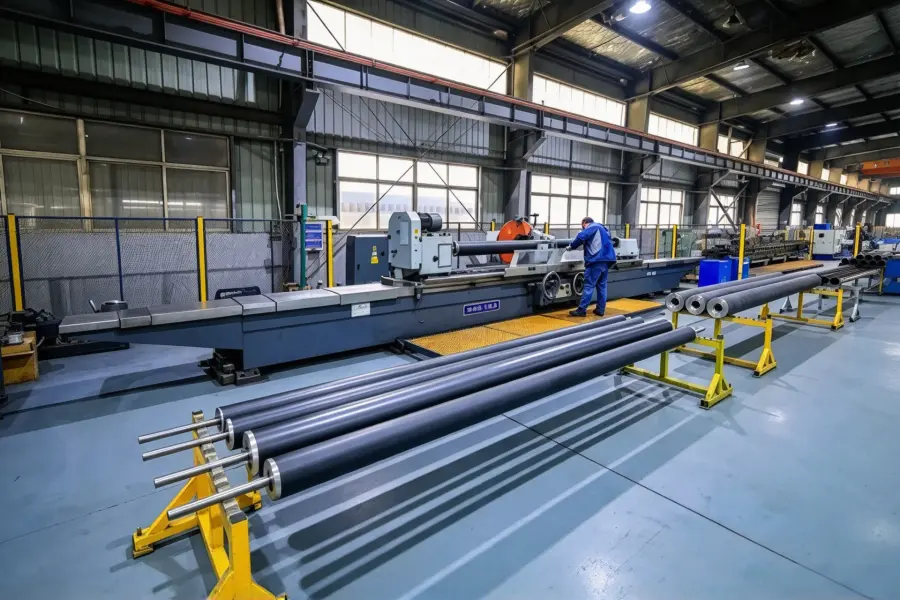
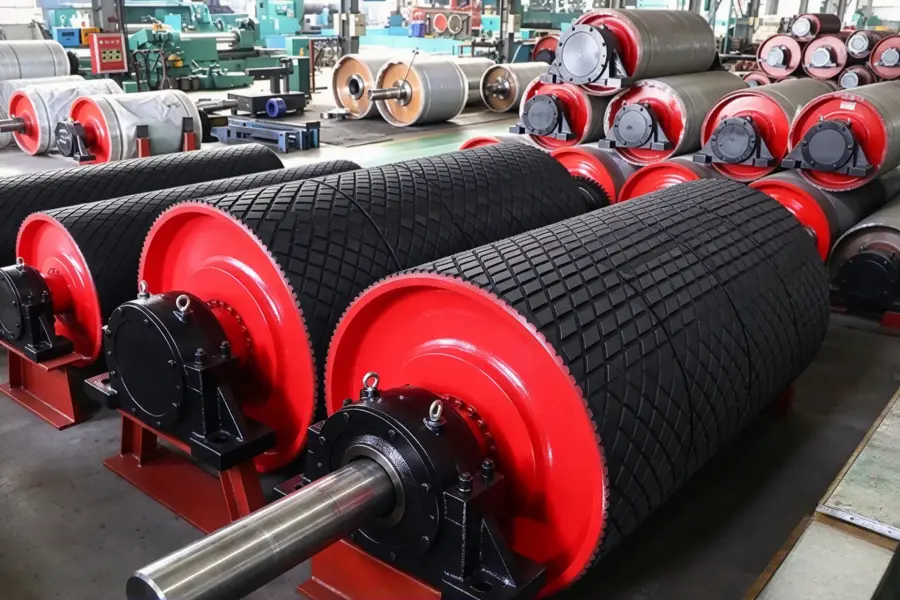
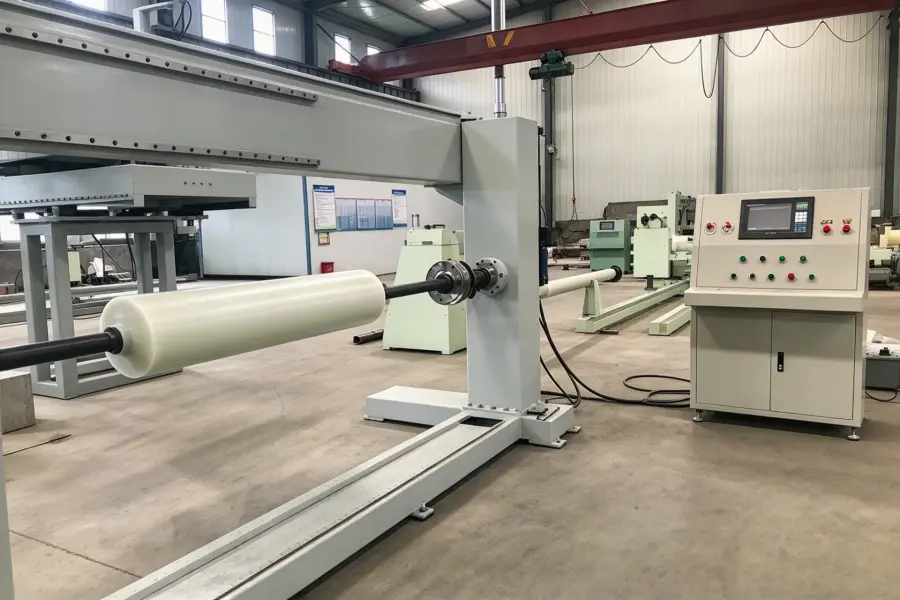
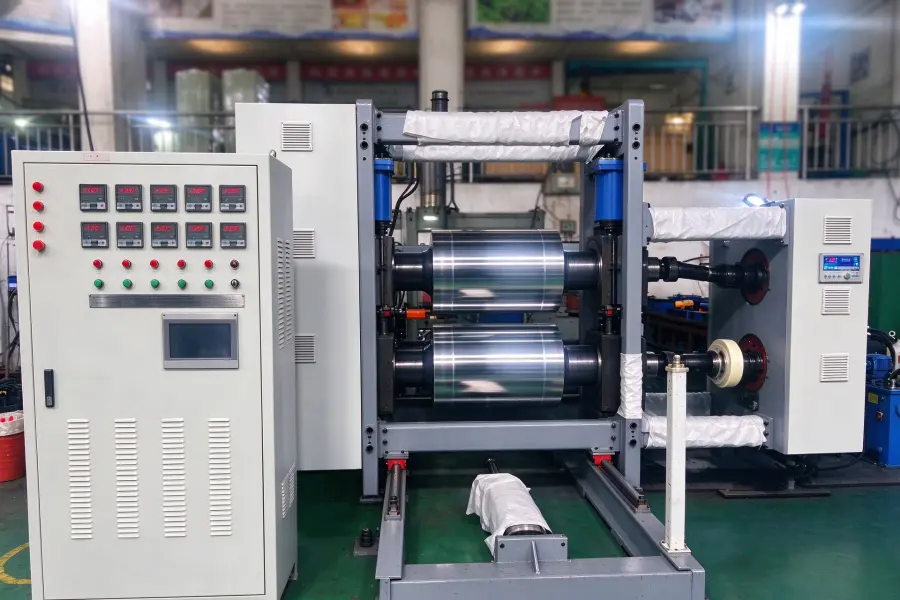
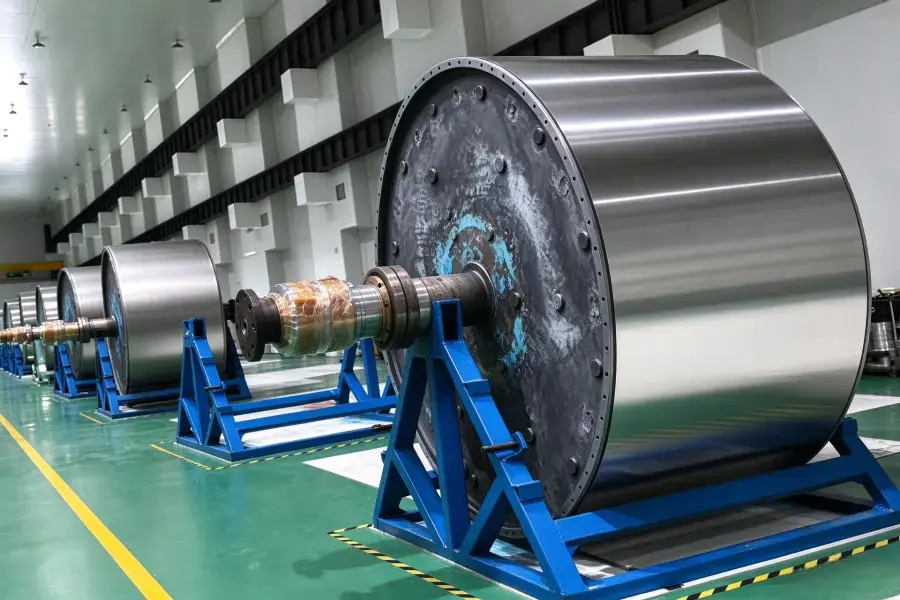
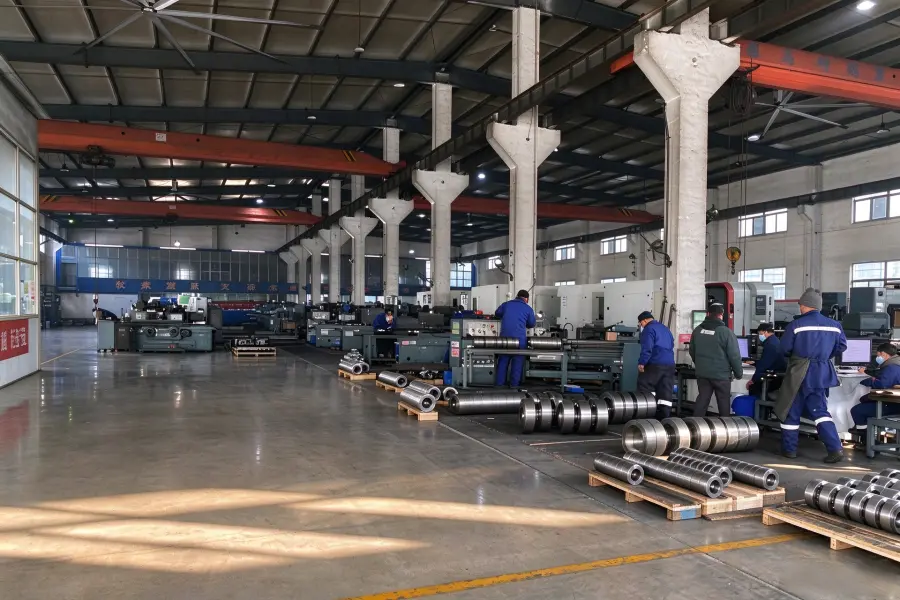
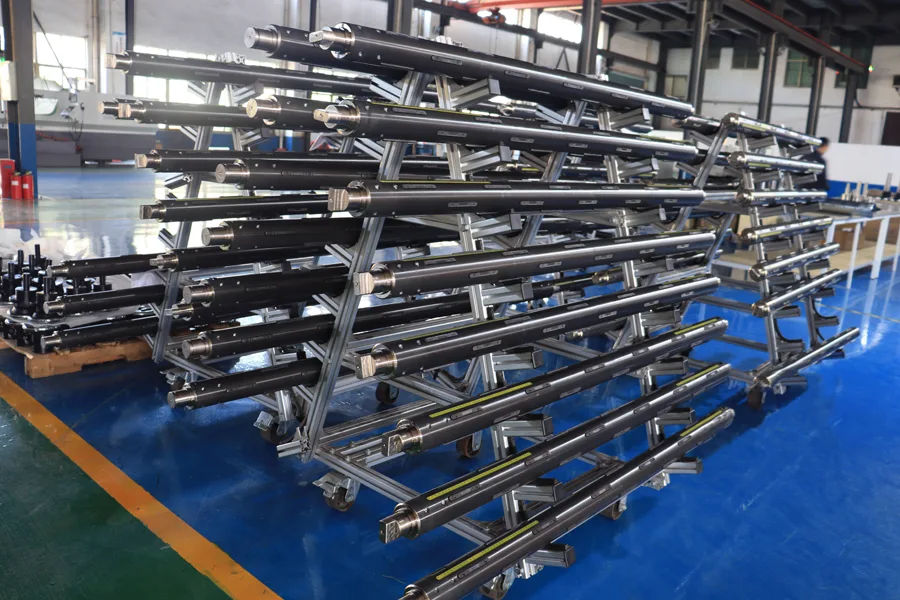
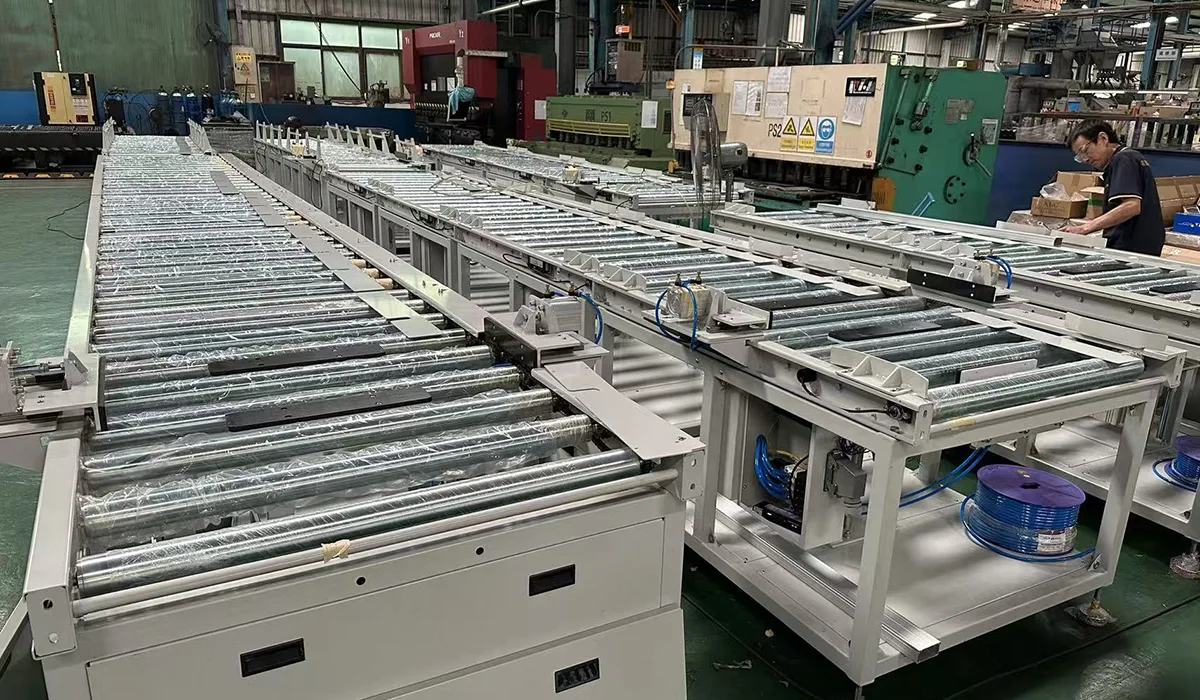
AstraRoll's roller factory is where every roller we sell is designed, machined, balanced, coated and tested - not sourced from a trading desk. From the raw steel tube to the sealed, packed and palletised finished roller, every step happens under one roof: CNC turning, automatic bearing pressing, dynamic balancing machines, powder-coating booths and a fully equipped QC lab. This vertical integration is why we can promise consistent tolerances, short lead times and factory-direct pricing - and why overseas buyers use us not only as a supplier, but as their contract-manufacturing partner in China. Whether you need a single custom prototype or a quarterly production run, you are buying from the floor it was built on.
China Roller Factory FAQs
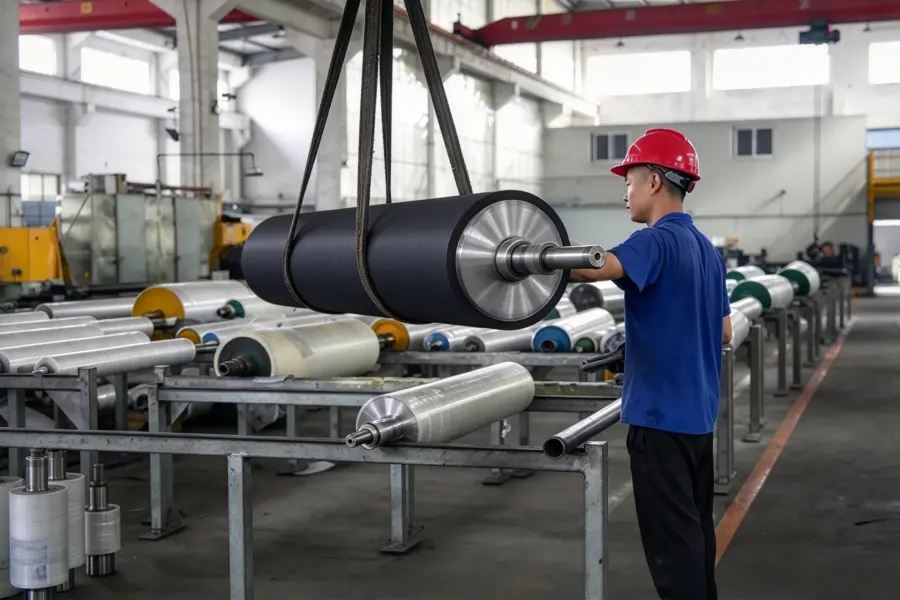
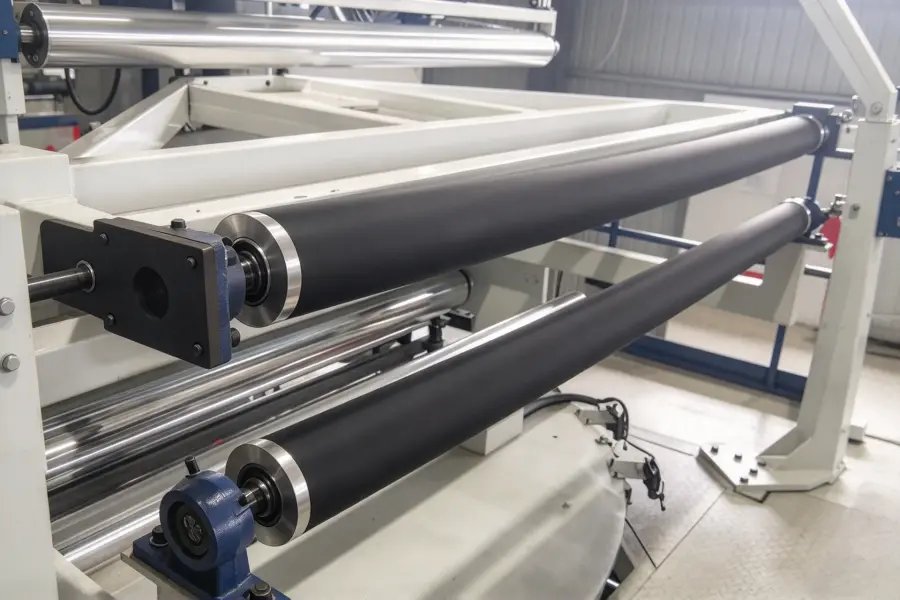
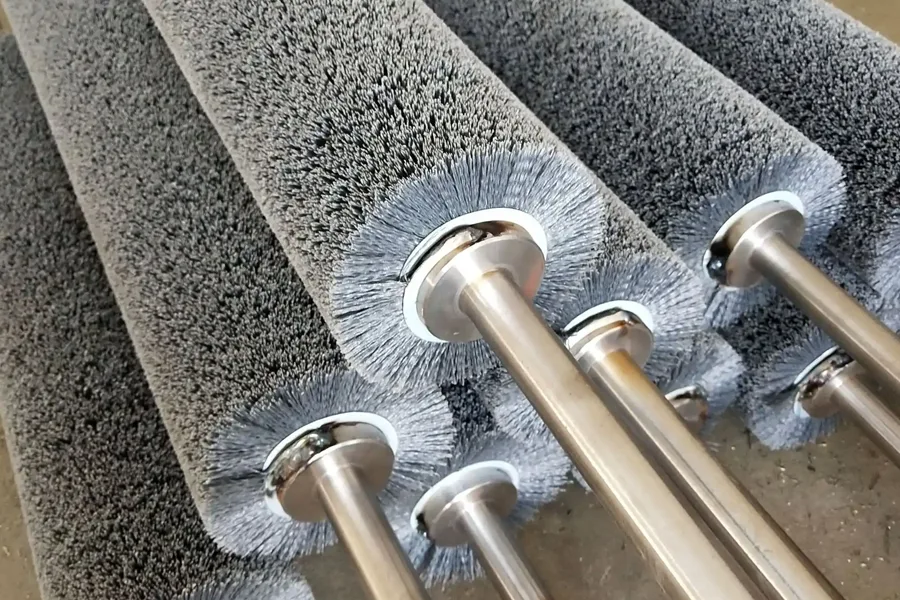
Our factory is located in China's industrial heartland, with a dedicated roller production workshop covering tube cutting, CNC turning, bearing assembly, dynamic balancing, surface coating and final QC. We currently operate a full production line capable of handling standard rollers from Ø20 mm to Ø219 mm and lengths up to 3,000 mm, plus a separate workshop for brush rollers and special assemblies. For exact address, capacity figures and a photo gallery, contact us - we send a one-page factory profile on request.
Yes to both. We welcome overseas buyers at our facility - most international customers combine a factory visit with the Canton Fair or a China business trip. If you cannot travel, we run live video factory tours (WeChat, WhatsApp or Zoom), walk you through each workstation, and share third-party audit reports (including SGS or BV inspection) on request. Many of our customers have never physically visited -they started with a video call and a sample order.
Every roller passes through four checks: incoming material inspection (tube wall thickness, shaft hardness), in-process dimensional check (diameter, length, runout), dynamic balancing on a dedicated machine, and final run-test under load before packing. We supply material certificates (steel grade, bearing brand), balancing reports and inspection reports with every batch. For regulated industries (food, pharma, mining), we can provide full PPAP-style documentation.
For standard catalog rollers, MOQ is typically 50–100 pieces, with 7–15 day delivery. For custom or OEM rollers, MOQ is typically 200–500 pieces depending on complexity, with a lead time of 25–35 days after drawing confirmation. Sample rollers for testing are produced in 7–10 working days and are charged at a sample rate that is refunded against the bulk order.
Absolutely - that is our core business. Send us a drawing (PDF, CAD or hand sketch) with dimensions, material, bearing brand, shaft tolerance and surface finish; we send back a feasibility review, price and lead time within 2 working days. If you only have a physical roller, ship us one sample and we reverse-engineer it, including matching the bearing press fit and coating spec. Most of our overseas customers started exactly this way.
What you may want to know about China Roller Factory
Inside a Roller Factory: What to Look For Before You Order
Many overseas buyers choose a roller supplier by price alone - until a batch fails in the field. When you audit a roller factory, four workstations tell you whether the plant is real or a trader with a website.
Tube preparation. A serious factory cuts, chamfers and debosses tubes in-house, not by hand. Look for a CNC cut-off saw and a tube-end finishing station - this is where wall-thickness consistency starts. If the tube is misaligned, every downstream process compensates for a problem that should have been fixed at step one.
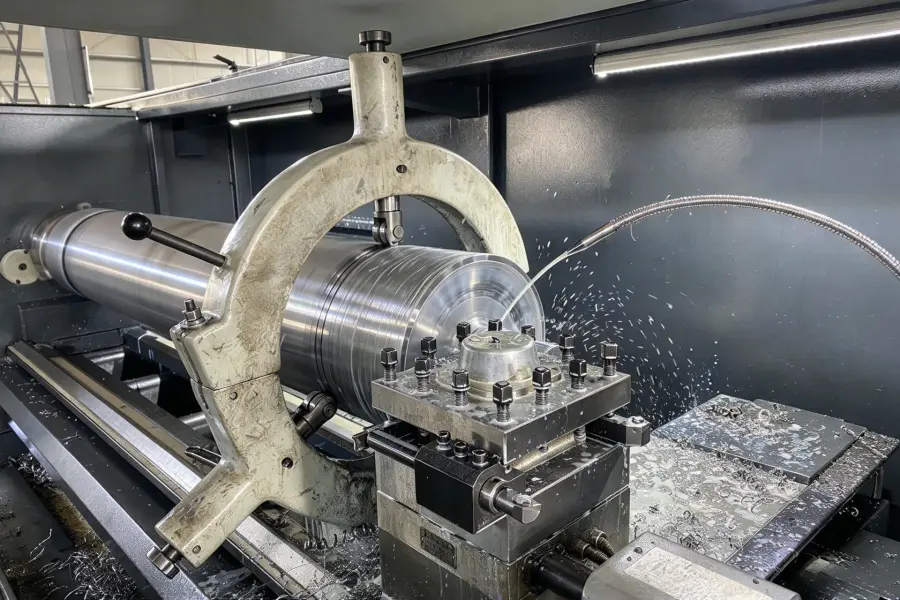
CNC turning and bearing seats. The bearing seat (the spigot pressed into the tube) is the single most tolerance-sensitive feature. Ask whether the factory uses CNC lathes to cut both spigots in one setup - this guarantees concentricity. A factory that turns spigots on a manual lathe will produce rollers that run noisy or drift.
Dynamic balancing. Every roller above a certain length and speed should be balanced on a machine, not just "eye-balled". Ask to see the balancing machine and the printout - an unbalanced roller causes belt drift, bearing wear and vibration across the whole conveyor line.
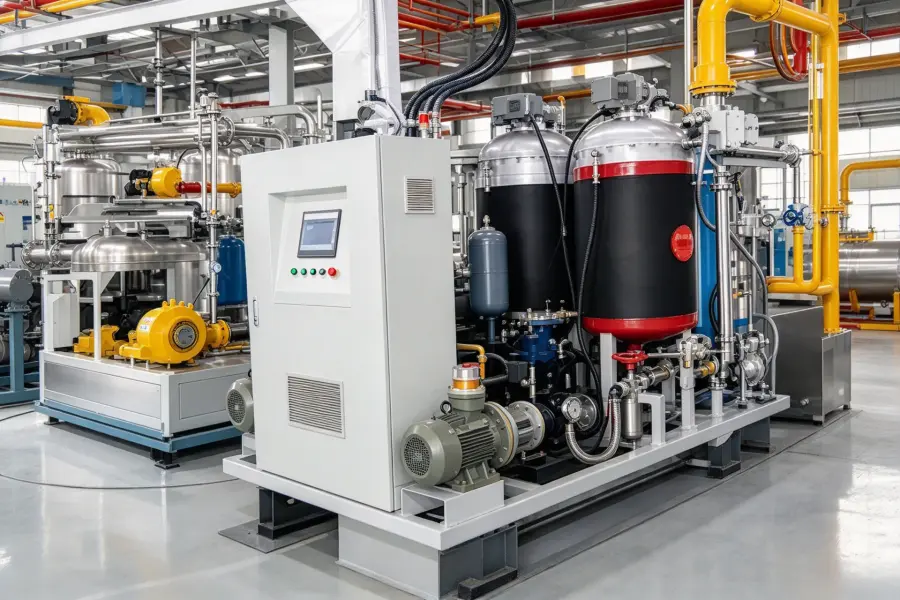
Coating and surface. Zinc plating, powder coating, rubber lagging or polyurethane lining should happen in a dedicated booth, not outdoors. Cross-contamination between a paint booth and an assembly line is a sign of poor process control.
Finally, ask for after-sales support. A real factory will replace a defective batch, not argue about whose fault it was. At AstraRoll, we inspect every batch, photograph it before packing, and ship with inspection reports - so you know exactly what arrived before you sign the delivery note.
If you are comparing roller factories in China, send us your drawing or sample. We will quote you the factory-direct price, show you the production line in a video call, and prove that our rollers run - quietly, straight, and for years.