
Tungsten Carbide Roller Manufacturer
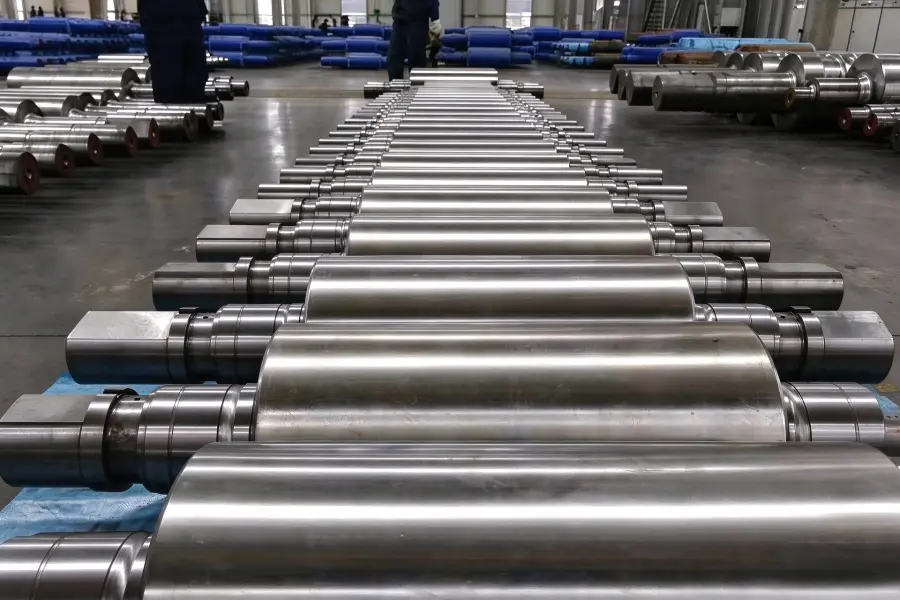
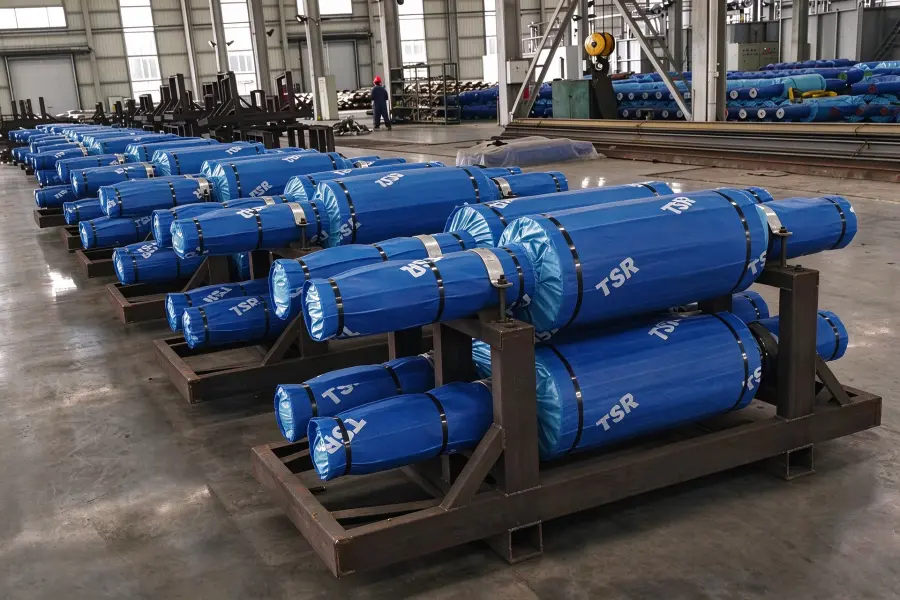
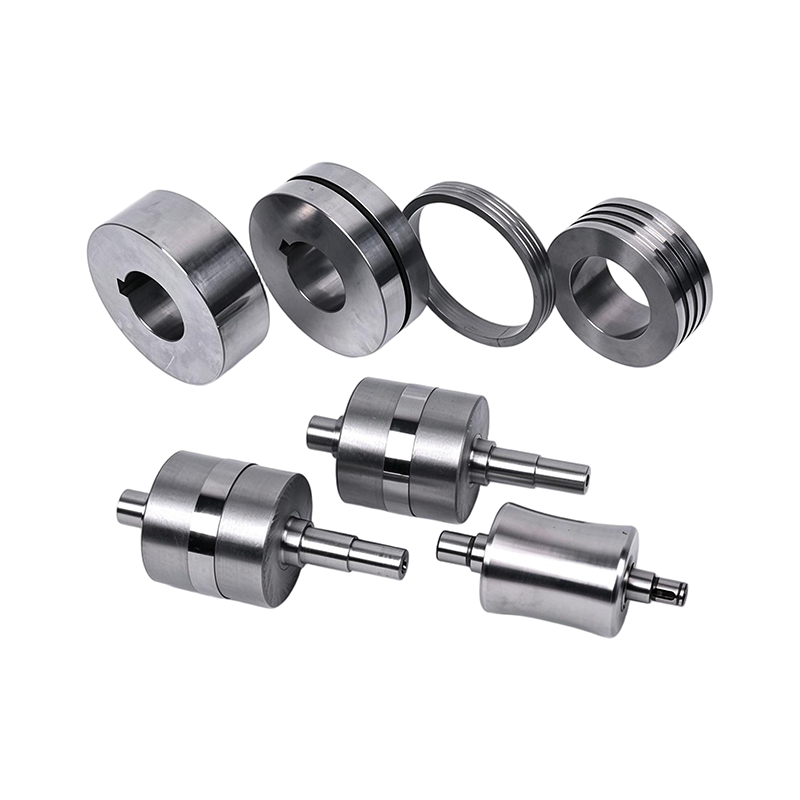
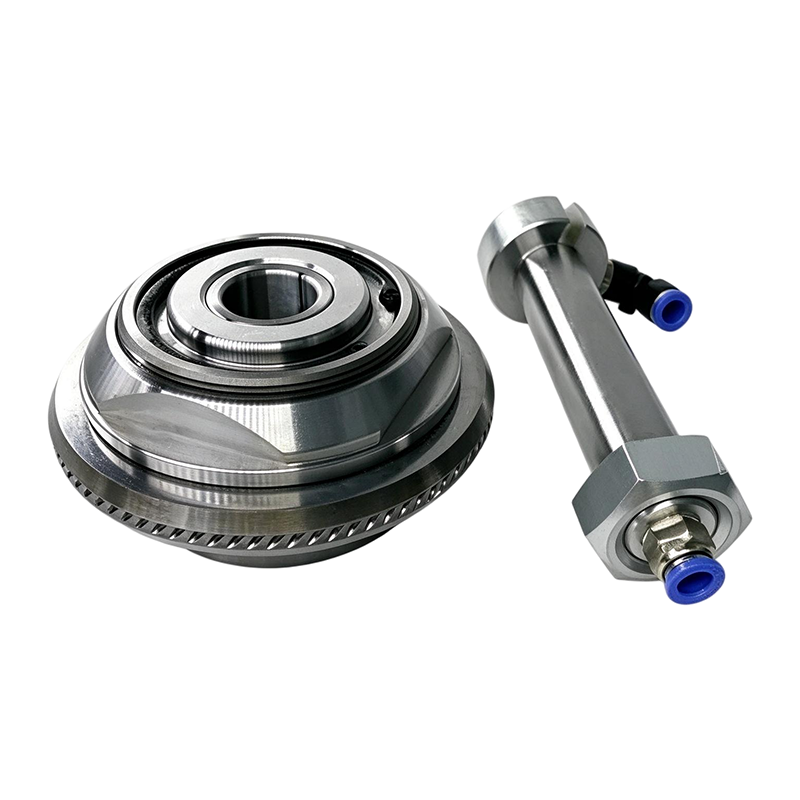
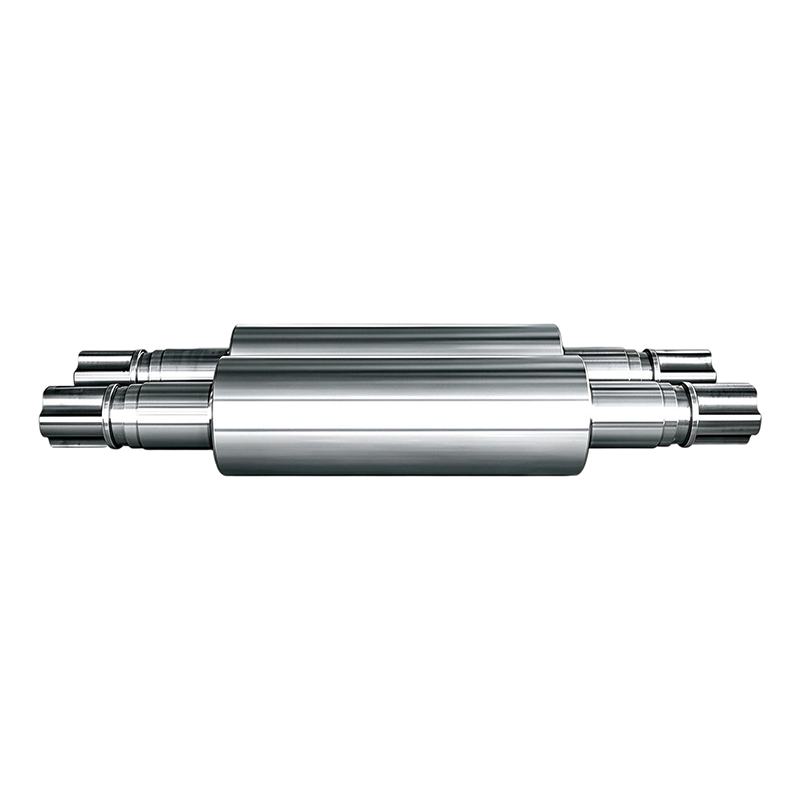
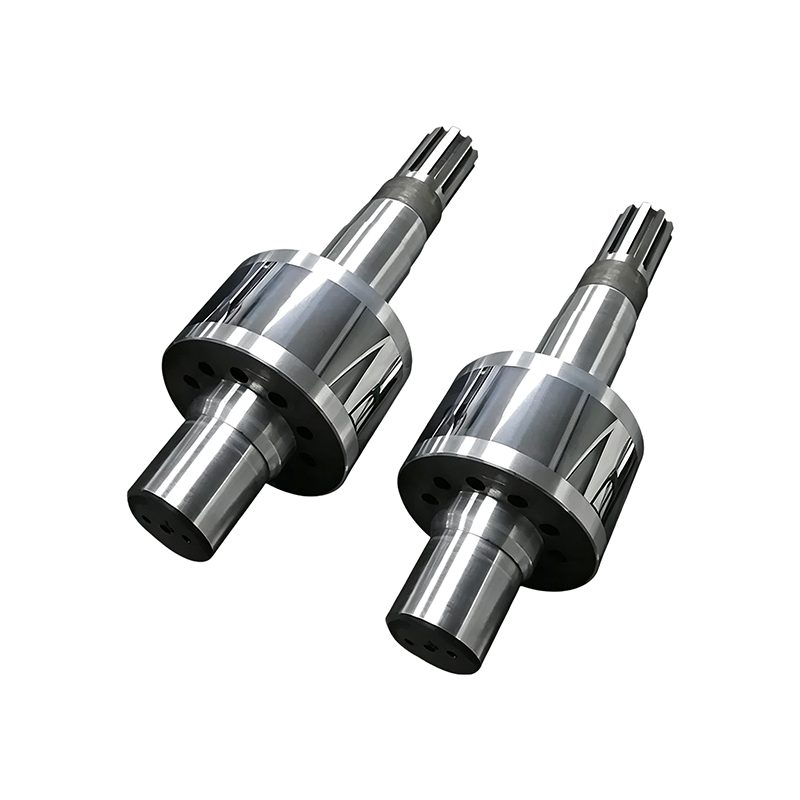
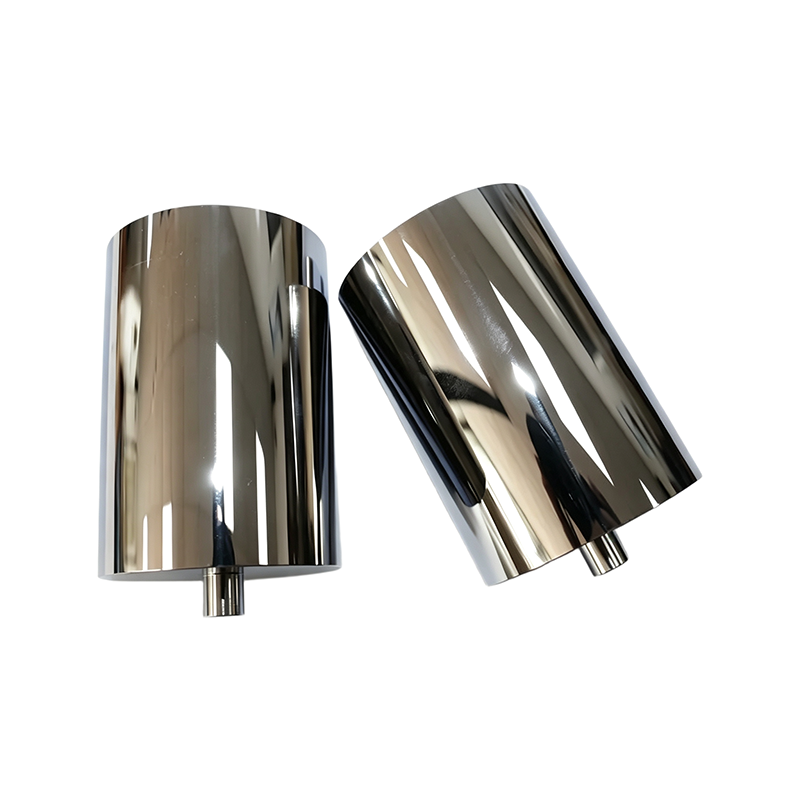
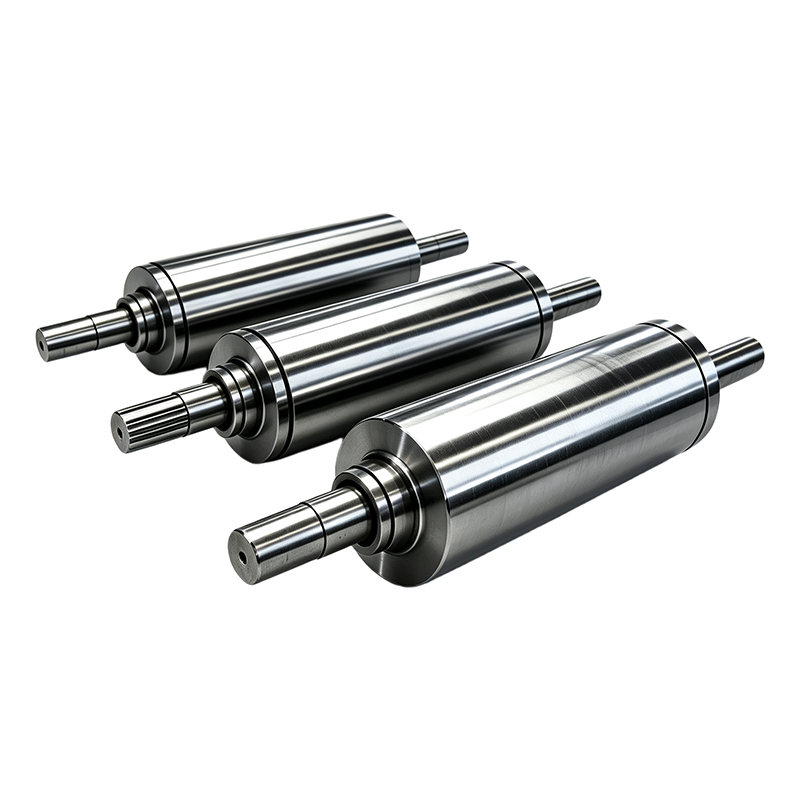
In the world of wire rod, rebar and non-ferrous metal rolling, there is a critical component that determines mill uptime and finished product quality: the tungsten carbide roll, also widely known as cemented carbide roll ring. Roll rings are grooved components fitted onto steel roll shafts, while solid tungsten carbide rollers refer to full-body carbide rolls for smaller rolling tasks. These forming elements compress hot or cold metal into precise profiles, retaining groove geometry under extreme pressure, thermal cycling and continuous friction — processing millions of tons of material over thousands of operating hours. When a carbide roll fails prematurely, the mill shuts down; when tolerances drift, dimensional scrap rises and production targets are missed. That is why serious rolling plants do not source carbide rolls from generic stock. They partner with a manufacturer that masters powder metallurgy, sintering and precision groove machining.
This page introduces tungsten carbide rolls, the rigorous manufacturing workflow behind them, and why AstraRoll, a China-based tungsten carbide roller manufacturer, has become a trusted technical partner for metal rolling mills across dozens of countries.
What Is a Tungsten Carbide Roll, and Why Does It Matter?A tungsten carbide roll / cemented carbide roll ring is manufactured by sintering tungsten carbide powder with cobalt or nickel binders to deliver outstanding hardness, wear resistance and thermal stability. Installed on roll shafts, these grooved components plastically deform metal to produce wire rod, rebar, copper and aluminum profiles. When formulated and machined correctly, carbide rolls can achieve up to 20–50 times longer service life than conventional tool steel rolls under suitable finishing rolling conditions. They can also be re-ground multiple times to restore groove profiles, cutting total rolling cost per ton of product.
This material advantage solves a core rolling challenge: frequent roll changes and inconsistent profiles. Without high-quality carbide rolls, mills suffer downtime from roll swaps, uneven bar/wire dimensions and surface defects. In high-speed wire rod finishing blocks running at over 100 m/s, carbide roll performance is not merely a spare part detail; it is central to mill throughput.
The Main Types of Tungsten Carbide RollsA professional tungsten carbide roller manufacturer supplies the full range of roll ring designs, as each rolling pass and metal grade requires dedicated groove geometry and carbide grade:
- Oval passes – Pre-forming passes for wire rod and bar reduction; optimized for gradual metal deformation and low thermal shock.
- Round sizing passes – Finishing sizing rolls for final wire diameter control, tight dimensional tolerance and smooth surface finish.
- Rebar ribbed passes – Custom rib grooves for reinforcing bar, precisely forming rib profiles while resisting abrasive wear.
- Non-ferrous rolling rolls – Low-cobalt grades for copper, brass and aluminum cold rolling, minimizing material pickup and surface scratching.
- Solid carbide rollers – Full-body tungsten carbide rollers for cold wire drawing, flattening and small-profile rolling applications.
Every roll is built to customer specification: outer diameter, inner bore, working height, groove profile, groove quantity, surface finish and alloy grade are defined based on your mill stand parameters.
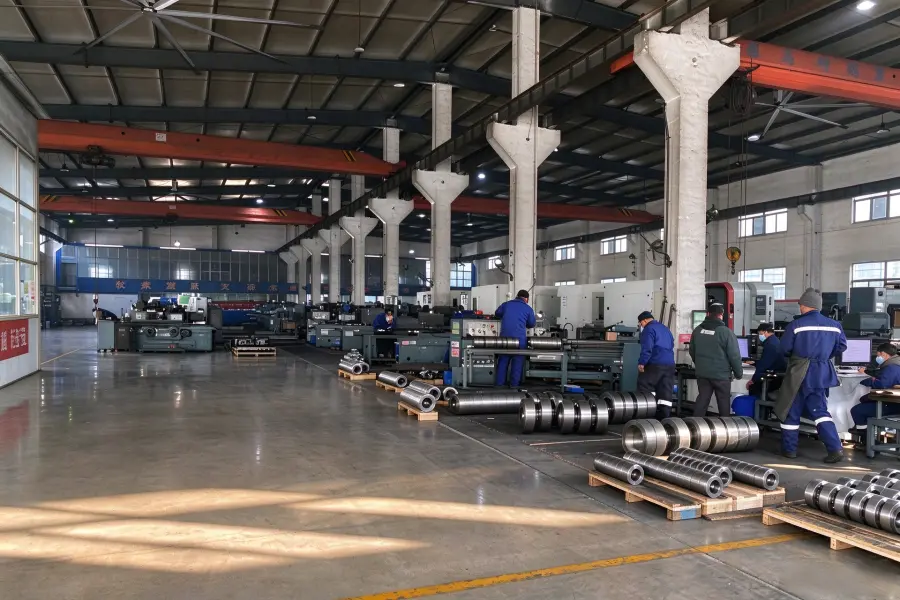
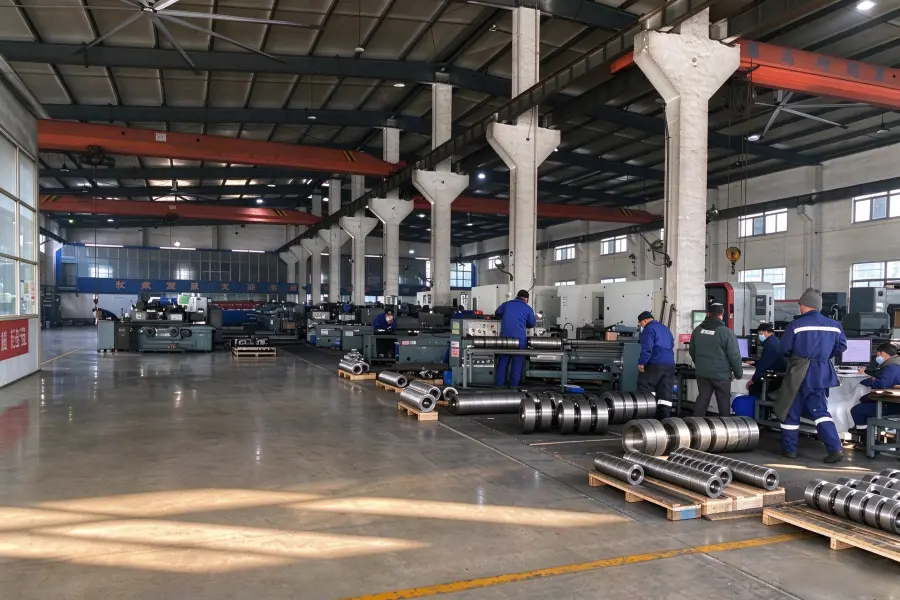
Inside the AstraRoll Tungsten Carbide Roller WorkshopAstraRoll’s carbide production line is dedicated to powder metallurgy and precision roll machining, not a general machine shop that produces carbide parts on demand. The workflow follows controlled, documented stages:
Powder formulation & wet ball millingWC powder is blended with cobalt/nickel binder according to target grade (YG6, YG8, YG10, YG12, YG15 and custom grades). The mixture undergoes wet ball milling, spray drying and sieving to achieve consistent particle distribution — the foundation of uniform density after sintering. Improper powder mixing creates internal porosity and early failure under rolling load.
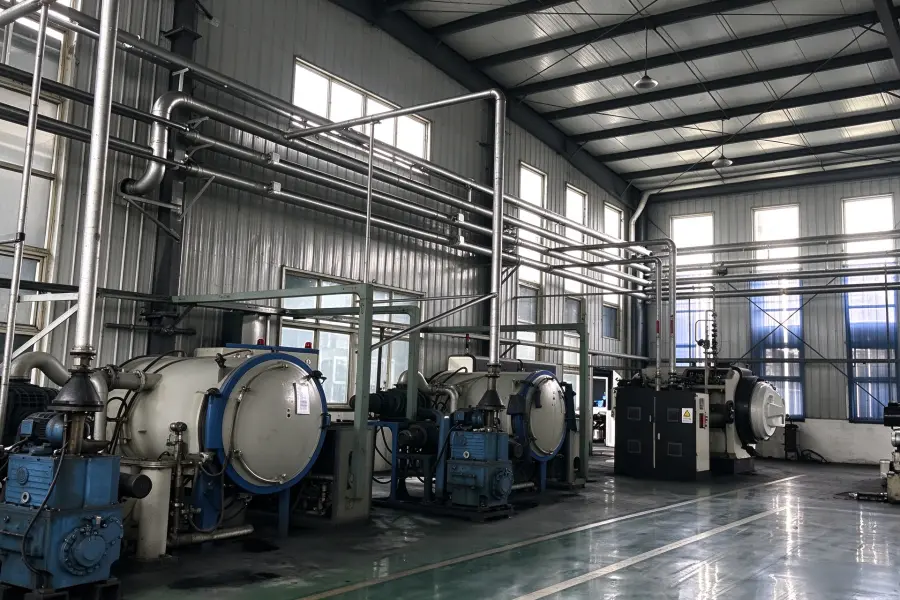
Compaction and HIP sintering
Granulated powder is pressed into roll ring blanks. Green compacts are sintered and hot isostatically pressed (HIP) to eliminate residual porosity and produce fully dense carbide bodies. Sintering temperature and holding time are tightly controlled to guarantee consistent hardness, transverse rupture strength and microstructure.
Rough machining and non-destructive testing
Sintered blanks are rough ground, then inspected by ultrasonic testing (UT) to detect internal voids, cracks or inclusions before high-cost groove machining begins. Defective blanks are rejected at this stage to avoid wasted processing.
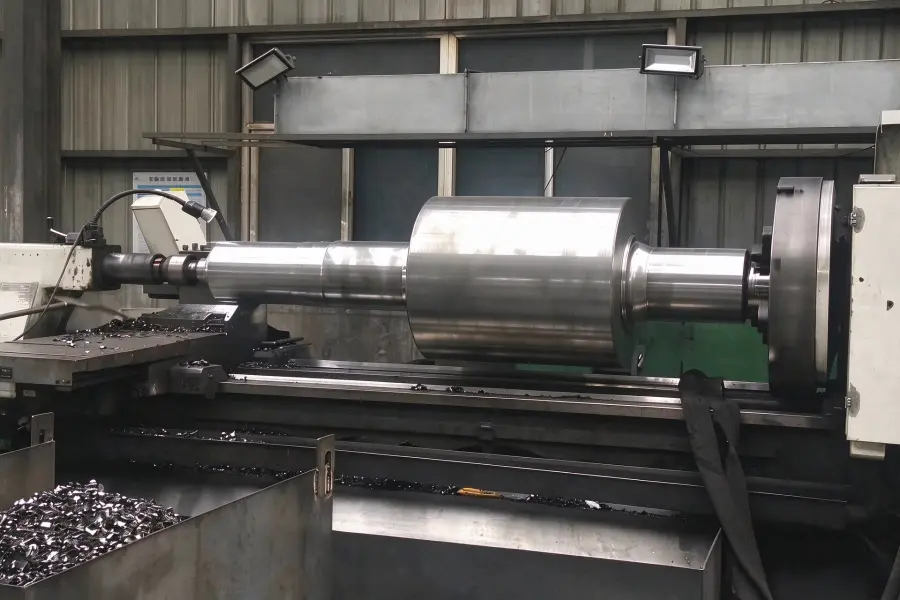
Precision groove and bore machining
CNC grinding machines form the inner bore, outer circle and roll grooves to drawing tolerances. Groove profile is verified with optical profile projectors and 3D coordinate measuring machines. Poor groove geometry causes uneven metal flow, rib defects and accelerated localized wear.
Surface finishing and marking
Roll faces, bores and grooves are precision ground to controlled Ra surface roughness. Each roll receives permanent laser marking with grade, serial number and drawing revision for full batch traceability.
Final inspection and dynamic balancing
Finished rolls are dimensionally rechecked, with hardness and density verified. For high-speed finishing applications, roll assemblies are dynamically balanced in accordance with ISO 1940, with balance grade configurable to customer requirements (such as G2.5 / G6.3), to minimize vibration at operating speed. Inspection certificates accompany every shipment.
Materials and Quality Control
Carbide Grades
We formulate grades matched to your rolling application: low cobalt grades for high wear resistance in finishing passes, higher cobalt binder grades for improved impact and thermal shock resistance for roughing passes under heavy loads. Typical hardness ranges 80–87.5 HRA, density 12.7–14.5 g/cm³, with transverse rupture strength tailored to mill load.
QC Stages
Raw powder incoming inspection → green compact inspection → sintered blank UT inspection → in-process dimensional checks → groove profile verification → hardness & density testing → final visual inspection → dynamic balancing for high-speed assemblies.
For steel mills, non-ferrous processors and certified metal producers, we supply full Material Test Certificates (MTC), ultrasonic inspection reports and balancing documentation so your quality team can validate batches before goods arrive.
Custom Engineering: Your Mill Parameters, Our ManufacturingNearly every AstraRoll tungsten carbide roll is custom engineered, as every rolling mill has unique stand dimensions, rolling speed, reduction schedule and metal material requirements. A typical custom order workflow:
- You submit 2D/3D drawings, worn sample roll rings, or full mill parameters: OD, bore ID, height, groove drawing, metal type, rolling speed and target tonnage.
- Our metallurgy and rolling engineers review the design within two working days and recommend optimal carbide grade and profile adjustments to extend service life.
- You receive formal quotation, lead time and tooling cost if new grinding tooling is required.
- Sample roll rings are manufactured and shipped for mill trial testing.
- Bulk production starts after sample approval, with full inspection documentation attached to each batch.
If you have legacy rolls from discontinued OEM suppliers, we provide reverse engineering: match bore dimensions, groove profile, chamfers and material grade so replacement rolls install directly into your existing mill stands without mill modification.
Industries We SupplyAstraRoll tungsten carbide rolls operate within:
- High-speed wire rod rolling mills
- Rebar / reinforcing bar production lines
- Copper, brass and aluminum non-ferrous metal rolling
- Cold wire drawing and flattening lines
- Alloy steel and fine profile rolling
- Steel wire and welding wire manufacturing
- Metal powder and strip pre-forming
Factory-direct pricing – you purchase directly from the manufacturer, removing trading company markup. Full metallurgy support – our engineers understand rolling reduction, thermal fatigue, metal pickup and mill vibration, not only machining drawings. One-stop industrial roller supply – tungsten carbide rolls, steel back-up rolls, cold rolling rolls and rubber covered rollers available under one manufacturer. Trial sample program – test rolls prove performance before committing to full bulk orders. Documented quality – UT reports, MTC, hardness certificates and balancing records for every batch. Global logistics – sea freight, air cargo and express delivery to ports and mill sites worldwide.
Common Questions Buyers AskWhat size range of carbide roll rings can you produce?
We manufacture carbide roll rings in our standard production range: outer diameter from 80 mm up to 420 mm, inner bore from 50 mm to 280 mm, working height from 15 mm to 140 mm. Sizes outside this standard scope can be quoted individually after drawing review.
How do I select the right carbide grade?
Low cobalt grades deliver superior wear resistance for steady-state finishing passes. Higher cobalt binder grades provide better impact and thermal shock resistance for roughing passes and heavy reduction. Share your metal type, rolling temperature and reduction schedule and our engineers will recommend the optimal grade.
Can you reverse-engineer and replace my existing carbide rolls?
Yes. Send us your worn roll ring or original drawing. We replicate bore size, groove profile, chamfers and material grade so replacement rolls fit directly without mill modification.
What inspections are performed before shipment?
Every carbide roll undergoes ultrasonic flaw detection, dimensional inspection, groove profile check and hardness testing. High-speed mill roll assemblies are dynamically balanced to ISO1940 with customizable balance grades. All test documentation is supplied with shipment.
What is your MOQ and lead time?
Existing groove profiles: MOQ typically 1–3 pieces, lead time 15–22 working days. Custom new groove profiles requiring new grinding tooling: lead time 25–40 working days after drawing confirmation. Sample rolls can be delivered in 10–16 working days.
If you are evaluating China carbide roll manufacturers or struggling with short roll life, dimensional variation and frequent mill downtime — send your drawing or sample photos. Our metallurgy and rolling engineers will reply within two working days, including feasibility review, grade recommendation, price and lead time.